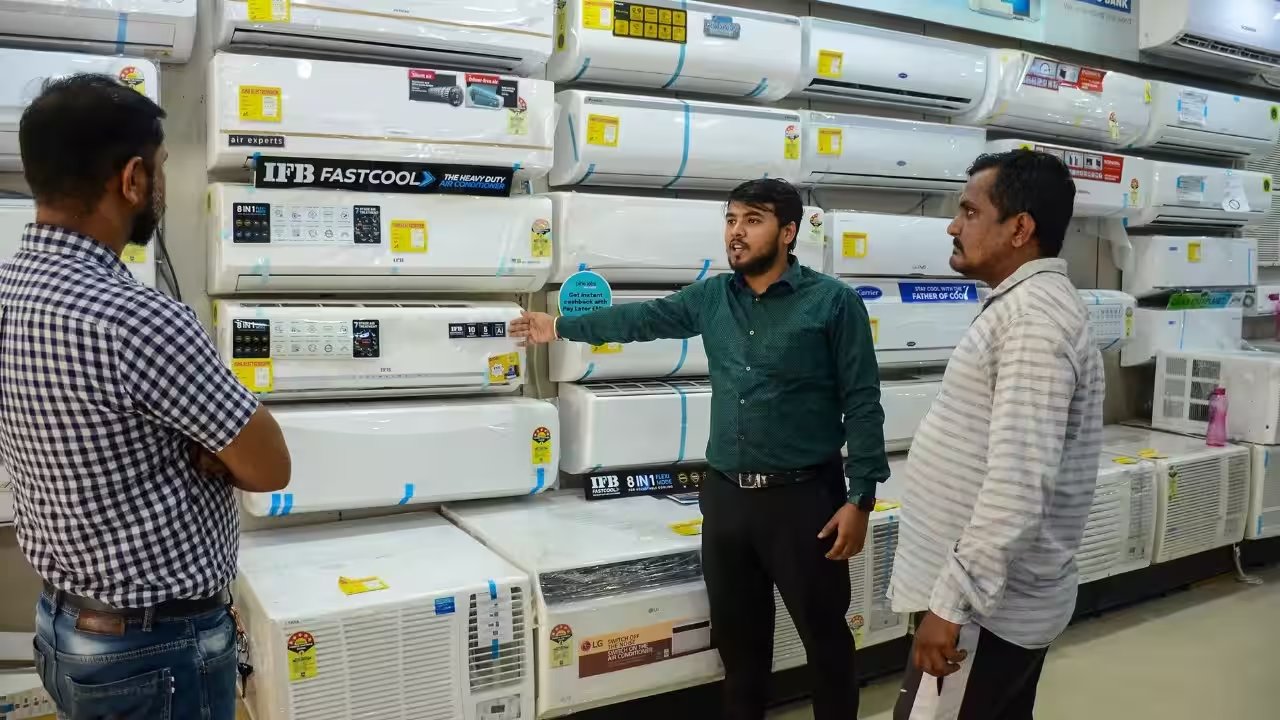
On May 28, 2026, LG Electronics and Panasonic unveiled zero‑interest EMIs for 32‑inch TVs in Mumbai, a move aimed at cushioning consumers against a 30‑40% surge in packaging and power‑cord costs over the past six months. "Prices of some commodities such as packaging boxes and power cords have gone up by 30-40% in the past six months," said Arjun Bajaj, director at Videotex, which manufactures TVs for brands. Payment‑plans already account for nearly half of consumer durable purchases in India, and the brands hope the added flexibility will spur upgrades and curb down‑trading.
Financing is expected to drive between 60% and 80% of total transactions this year, according to Tushar Aggarwal, founder and CEO of fintech Stashfin. Other players are following suit: Malabar Gold’s chairman, MP Ahammed, highlighted the success of old‑gold exchanges that captured 70% of sales in recent periods; BlueStone’s CEO, Gaurav Singh Kushwaha, said the company is re‑engineering pieces to keep genuine choices at every budget; and Liberty Shoes’ executive director, Anupam Bansal, said the focus is on the below Rs 2,500 price segment where GST is only 5%.
Saumen Bhaumik, MD of CaratLane, stressed that the strategy is to widen price points rather than lean on discounts, noting that consumers are becoming more deliberate yet the market has not uniformly shifted toward lower-priced items. "Premiumisation remains a key growth driver this festive season," said Sanjay Chitkara, director and co‑CSMO at LG Electronics India.
With consumers tapping into festive bonuses and the availability of long‑term finance, retailers expect higher unit costs but a boost in sales volume. The industry is poised to see a shift toward premiumised products that remain affordable, and next week the brands will roll out additional financing options ahead of the Diwali peak.