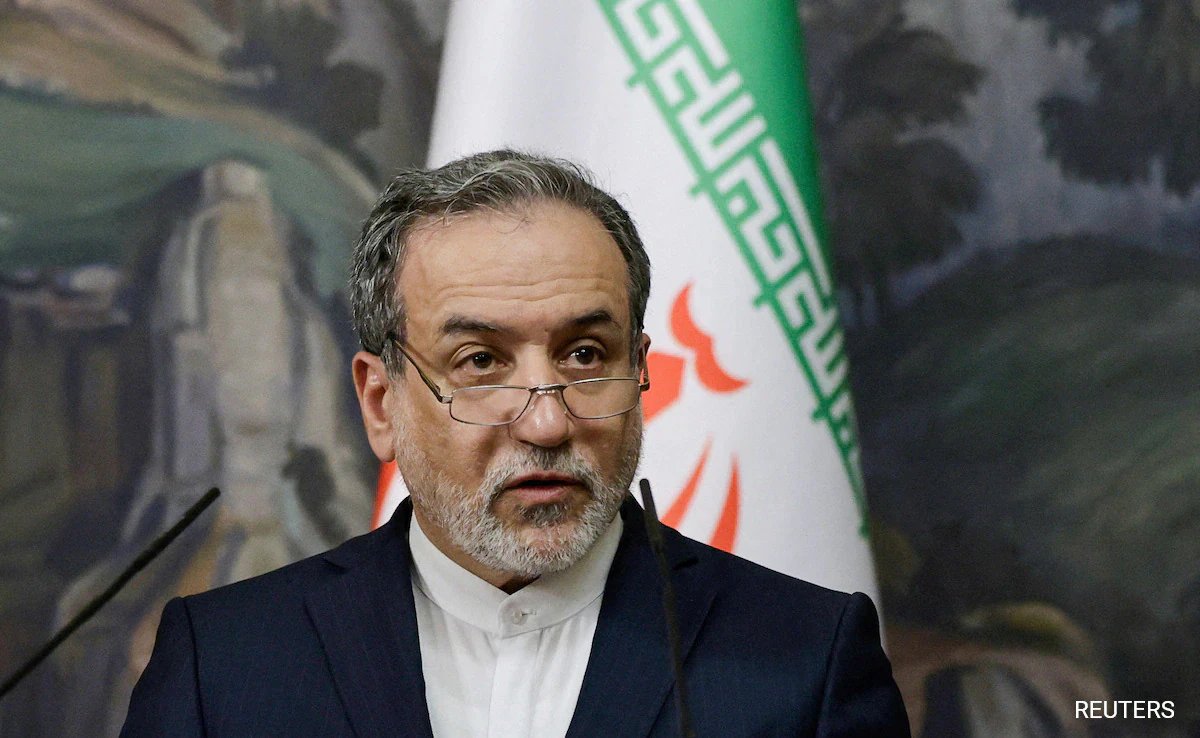
Iranian Foreign Minister Abbas Araghchi announced Sunday that international mediation to end the war between Washington and Tehran has frozen completely, citing political fallout from sweeping US midterm election losses suffered by President Donald Trump's Republican Party. Diplomatic channels went dark. Addressing Iranian state television, Araghchi stated that emissaries from regional broker nations—including Qatar and Pakistan—halted travel across capitals to gauge the shockwaves in Washington before deciding whether talks can resume.
"For the past few days, there has been no more travel by mediators, and the reason for this is the shock that the election results in the United States have caused to everyone," Araghchi said, noting that it will take time before the diplomatic climate permits any resumption of shuttle diplomacy. The pause freezes months of inconclusive negotiations. The conflict, launched in late February when the United States and Israel initiated military strikes against Iran, has settled into an uneasy maritime standoff. Outright kinetic fighting has largely subsided. But the maritime blockade remains active. Iranian armed forces continue targeting traffic through the Strait of Hormuz—the vital corridor for global crude—while the US Navy maintains a tight counter-blockade choking Iranian commercial ports.
Araghchi took directly to social media platform X to press the advantage, warning the Trump administration that political maneuvering time has expired. "American voters have made their choice. Time for the White House to make its own," Araghchi wrote, insisting that Washington must either accept Tehran's standing proposal or "choose war, and see our alert and battle-hardened warriors rain down hell."
Tehran had originally submitted a seven-day framework in September. That proposal required an immediate halt to hostilities on all fronts, the unfreezing of seized Iranian state assets, the complete removal of oil sanctions, and an end to the US naval blockade outside Iranian harbors. Tehran later compressed that timeline into an expedited two-day ultimatum—a deadline Araghchi reiterated Sunday.
The White House has shown no appetite for capitulation. Senior US officials, including Senator Marco Rubio, have dismissed the US-Iran peace track as making zero headway, calling Tehran's negotiating framework outrageous and ridiculous. The standoff remains locked. With regional emissaries grounded in Doha and Islamabad, international mediators are waiting on the Trump administration to clarify its post-election foreign policy posture before attempting another diplomatic push.