A Reuters poll shows U.S. crude futures have leapt 50 cents ahead of Brent, a reaction traders say signals a looming export clampdown. New York traders are already rebalancing portfolios, pulling back from U.S. diesel‑heavy positions in favor of Middle Eastern and African blends.
The United States supplies roughly 20 percent of the diesel shipped by sea worldwide, a fact that makes any export restriction a shock to the global supply chain. Europe, which imports about 30 percent of its diesel from U.S. ports, has already seen futures double from early‑2026 levels.
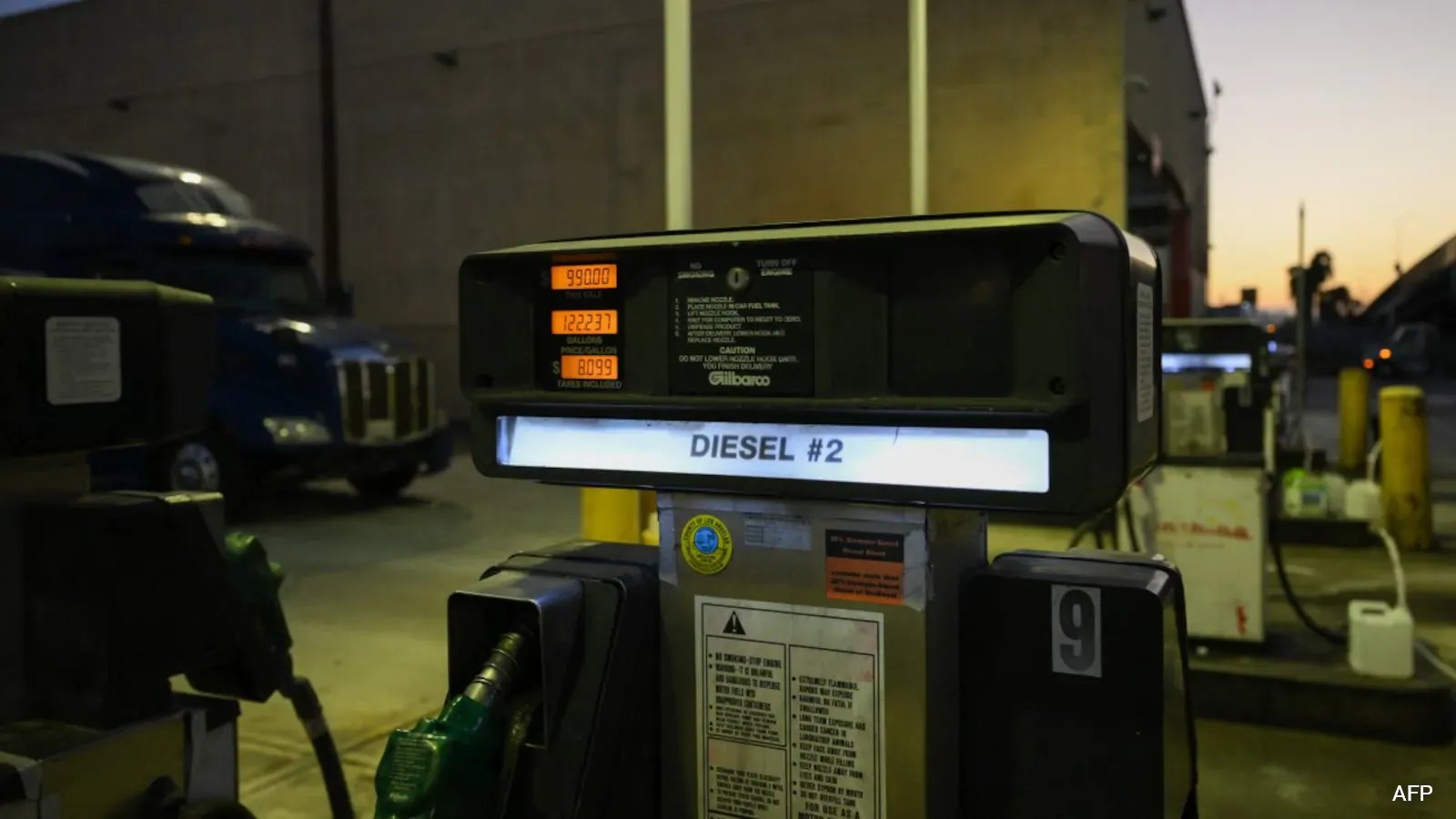
In the United Kingdom, the RAC reports diesel prices at an all‑time high, while in Australia the price has crept up seven percent to nearly $3 a litre, according to federal fuel data. Meanwhile, average U.S. diesel has crossed $6 a gallon for the first time this month, a milestone that rattles domestic fuel‑dependent industries.
Chris Wright, U.S. Energy Secretary, warned that a blanket ban could force refiners to cut output, potentially driving gasoline and jet‑fuel prices higher. He added that such a policy would also strain U.S. domestic supply chains, a concern echoed by truckers in New York who fear driver shortages and higher delivery costs.
The International Energy Agency attributes the spike to a mix of Middle East supply disruptions, reduced Russian refining, depleted inventories, and capacity operating near its limits. It cautions that any added pressure, including a U.S. ban, could tip the fragile market into a new price surge.
The White House is expected to announce a definitive stance by mid‑October, while global markets watch closely for any sign of a policy shift that could reshape diesel pricing across continents.