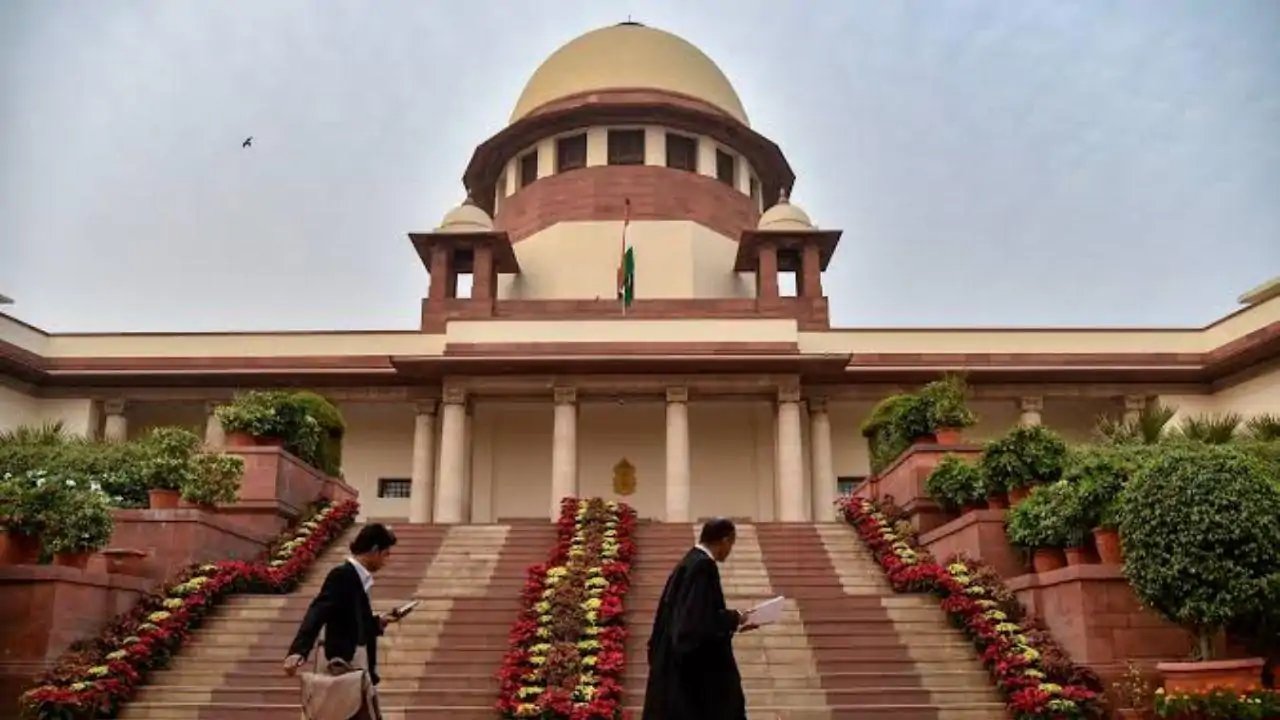
The Supreme Court on Friday handed down a verdict that fundamentally shifts the balance of power between voters and elected representatives. A bench comprising Justices Dipankar Datta and Sheel Nagu held that private citizens are legally permitted to file criminal complaints against candidates who provide false information, conceal material facts, or fail to submit mandatory disclosures in their election nomination papers. This ruling directly overrides a March 7, 2025, judgment by the Karnataka High Court, which had quashed such a complaint on the grounds that only the Election Commission could initiate proceedings under Section 125A of the Representation of the People (RoP) Act.
The legal hinge of this dispute was Section 195 of the Code of Criminal Procedure (CrPC). This section typically restricts criminal courts from taking direct cognizance of certain offences unless a written complaint is filed by an authorized public servant or the concerned court. The High Court had argued that this restriction applied here, effectively shielding candidates from private criminal prosecution for affidavit violations. The Supreme Court disagreed, stating that the legislature’s decision not to include Section 125A RoP Act within the ambit of Section 195 CrPC was deliberate. "We hold that a private complaint alleging offence committed under Section 125A, RoP Act need not pass muster of the rigours of Section 195 CrPC," the bench stated in its judgment.
The judgment arose from an appeal filed by Rajkumar Madki against his conviction in the Karnataka High Court. Madki had lodged a private complaint under Section 200 CrPC before the Additional Chief Metropolitan Magistrate in Bengaluru, alleging that MLA Shailendra Beldale had furnished a false declaration regarding his residential address in his 2023 assembly election affidavit. The High Court had quashed Madki’s complaint, directing him to pursue an election petition instead. The Supreme Court, while upholding the right to file such complaints, declined to revive the specific proceedings against Beldale in this instance. However, the legal door is now open for similar cases nationwide.
The court also addressed the potential for misuse, noting that if complaints are lodged to harass elected candidates or contain frivolous allegations, competent magistrates have the authority to pass orders commensurate with the facts and circumstances of each case. By removing the procedural barrier of Section 195 CrPC, the Supreme Court has effectively empowered individual voters to act as watchdogs for electoral integrity. This move places a direct check on the accuracy of data submitted by candidates, a critical aspect of informed voting. The next step lies with individual citizens and legal practitioners who may now choose to test this precedent in lower courts across India.