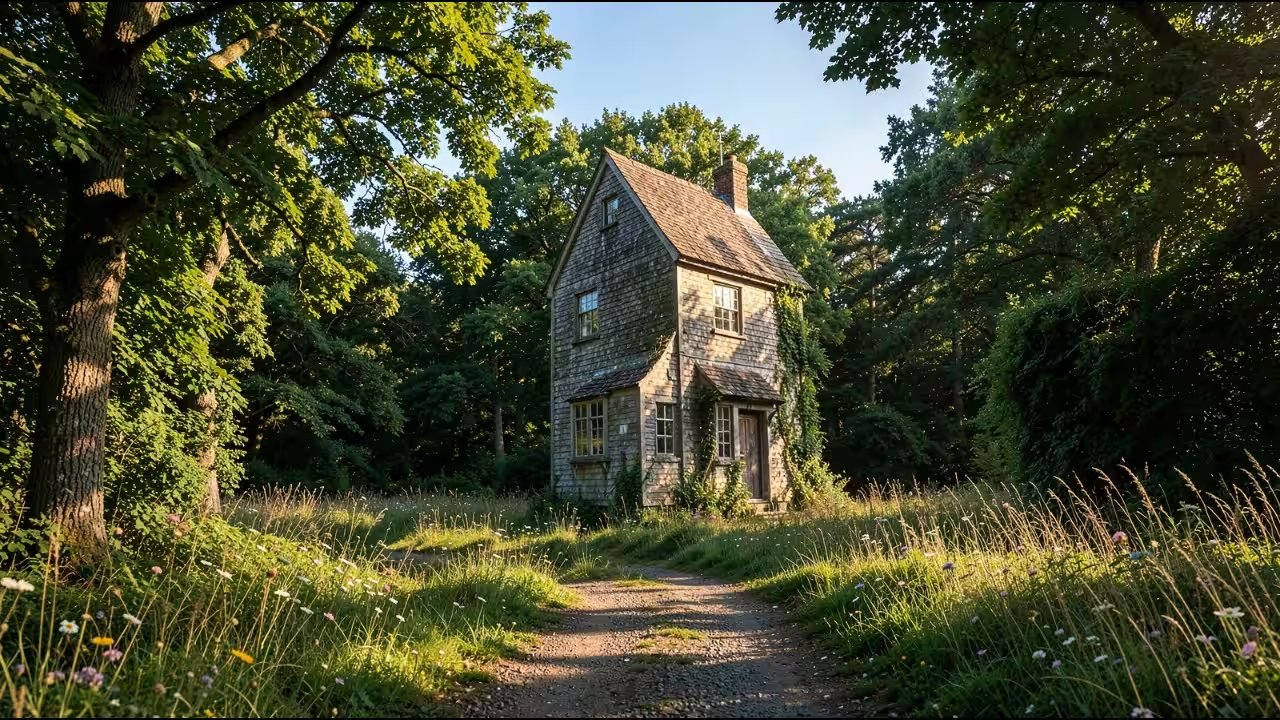
Glencairn Stuart Ogilvie, the developer behind Thorpeness, commissioned Frederick Forbes Glennie to design a 70‑foot structure that would double as a water tower and a domestic façade. Completed in 1923, the building housed a 50,000‑gal steel tank while its lower five‑storey section provided living accommodation for the village’s planners.
The tower’s timber weatherboarding, gabled roof, and casement windows were deliberately kept in line with Thorpeness’s planned holiday aesthetic. Mrs Malcolm Mason, a children’s author and friend of Ogilvie, christened the tower "House in the Clouds" after writing a poem in 1923. The water was pumped from a local well using a windmill, with a petrol engine as backup when wind failed.
In 1943, an English Bofors anti‑aircraft shell pierced the tank’s south‑eastern corner while a V1 flying bomb was engaged. Two women, the Miss Humphreys, were asleep below; the impact reduced the tank’s capacity from 50,000 to 30,000 gallons and forced repairs that repurposed the damaged steel.
The tower’s role as a water reservoir waned after an electric pump replaced the petrol engine in 1953. By 1963, a broader supply network had been introduced, and the tower was finally retired in 1977. The tank was removed in 1979, and in 1987 the interior was refurbished, turning the former storage space into holiday accommodation.
Today the House in the Clouds operates as a five‑bedroom holiday home on Uplands Road, offering guests a unique stay within a structure that once supplied the village’s water. Its Grade II listing in 1995 preserves its architectural heritage while its games room and panoramic views keep drawing visitors to the Suffolk coast. The property’s website notes that a family from London booked a stay for the summer, praising the panoramic sea views and the quirky history of the building.