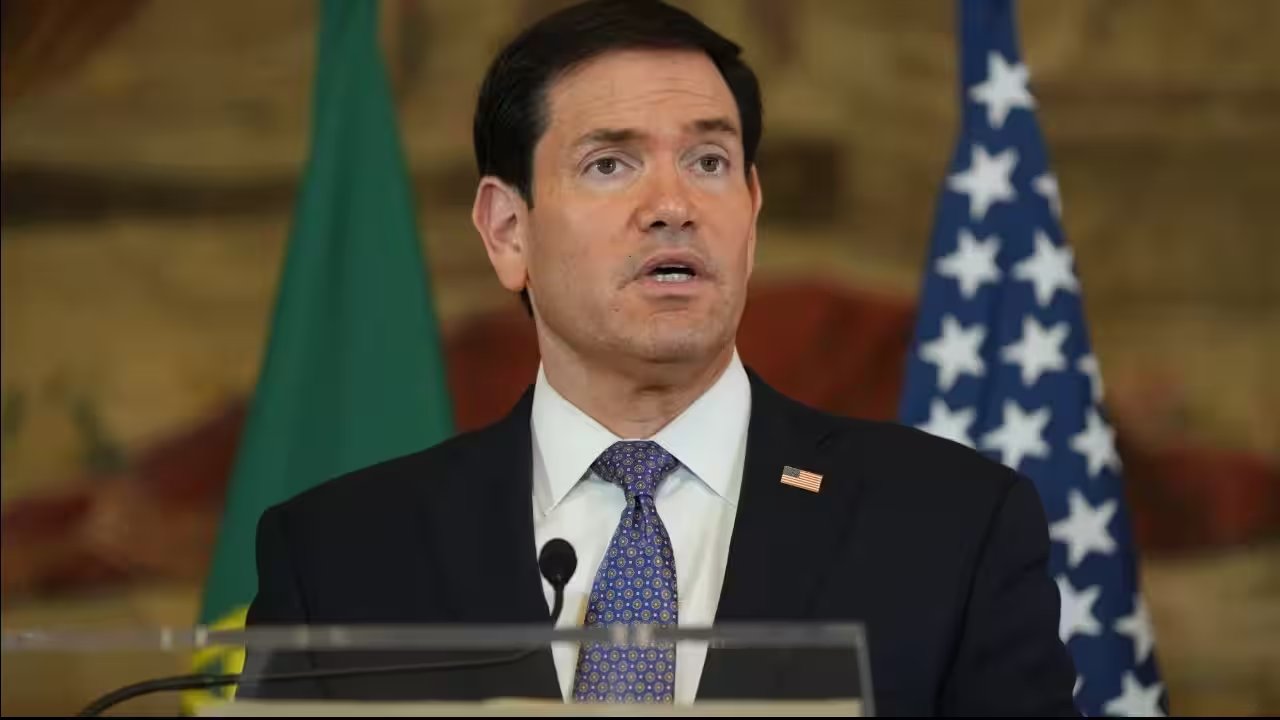
Speaking to reporters in Samarkand, Uzbekistan, on Monday, US Secretary of State Marco Rubio stated that Washington and New Delhi are on the verge of closing a trade deal. He linked this progress directly to the administration’s decision to pause enforcement of the Lindsey O. Graham Sanctioning Russia and Iran Act. The law would have slapped tariffs of up to 100% on goods from the five largest buyers of Russian crude, a list that includes India and China.
Rubio offered a pragmatic defense for the delay, invoking the physical realities of energy logistics. “Geography is real,” he said, noting that countries like India cannot instantly pivot their energy supply chains despite voluntary diversification efforts. He emphasized that the US had already waived several sanctions in recent months to prevent spikes in global energy prices.
The pause grants the administration a 60-day period to study how these tariffs would ripple through the global and American economies. Rubio pointed to compounding geopolitical pressures, including Houthi attacks on Saudi Arabian infrastructure and the ongoing Russia-Ukraine war damaging energy facilities. He argued these factors make immediate enforcement of the Graham Act’s strictest penalties economically hazardous.
New Delhi is moving in parallel. Commerce and Industry Minister Piyush Goyal confirmed last week that the first tranche of the bilateral agreement is finalized and currently in legal drafting. The next step is operational, with Rubio scheduled to meet External Affairs Minister S Jaishankar in Mumbai on Tuesday before visiting the Jamnagar refinery, one of the world's largest.