Ten teenagers, aged 15 to 17, donned PADI Open Water gear and dropped 28 mesh crates onto the seabed of Coffin Bay. They weren’t on a field trip. They were executing a marine restoration protocol designed to resurrect the native Ostrea angasi oyster, a species functionally extinct in the region due to decades of overharvesting and dredging. The students, hailing from two regional high schools, pulled these units from the water three months later to find every single one colonized by new life.
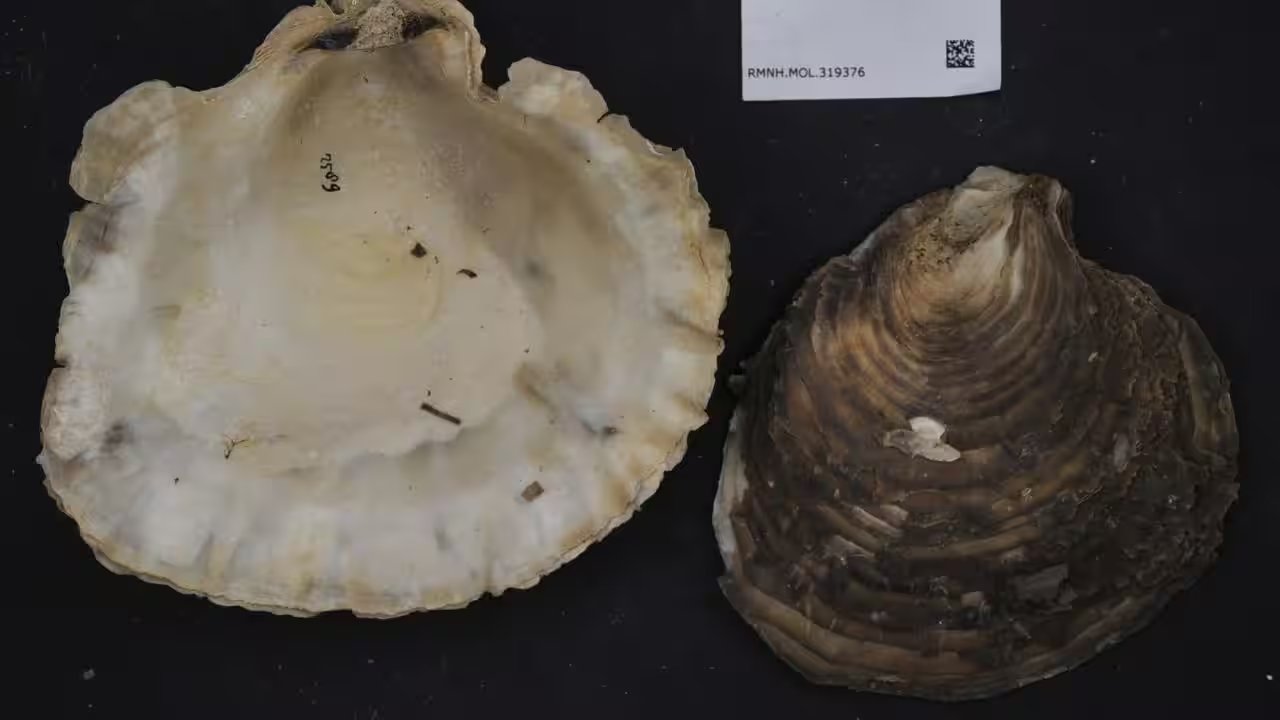
The mechanics were straightforward but labor-intensive. Each 40-by-20-by-15-centimeter crate held 100 sterilized native oyster shells, excavated by hand from historical reef sites buried under sediment. The team placed these units at eight specific coordinates: four within no-fishing Sanctuary Zones and four nearby control areas. They timed the deployment to coincide with the January–April recruitment season, ensuring that larval oysters had the best chance to settle on the hard surfaces. The South Australian Government’s Environmental Citizen Science Small Grant covered the full cost of the students’ diving certification, removing the financial barrier that usually keeps teenagers out of underwater research.
The results, published in a 2026 study in People and Nature, defy the pessimism often attached to reef restoration. Oysters recruited to every unit, with counts ranging from 26 to 2,388 individuals per crate. Dutton Bay emerged as the hotspot, averaging roughly 1,257 oysters per unit, while Yangie Bay lagged at 160. But the oysters weren’t alone. The crates attracted 3,342 organisms representing 68 different faunal species, including two fish species with newly recorded regional occurrences. The data suggests that while site-specific conditions dictate success rates, the fundamental biological mechanism—using native shells as settlement substrates—works.
Why did these kids volunteer for underwater work? The researchers analyzed the 23 distinct motivations cited in the students’ application essays, which appeared 297 times across the group. Personal growth drove 36% of the stated reasons, while environmental impact and community connection tied for second at 32% each. One student noted the rarity of having their hands in the water, not just observing it from a shore. This direct engagement transformed a standard ecological survey into a civic act, bridging the gap between classroom theory and tangible conservation.
The next step is scaling. Researchers are now evaluating which of the eight sites offer the most favorable long-term conditions for reef expansion. If the Sanctuary Zones continue to show higher species diversity, as the initial data suggests, management strategies may shift to prioritize those no-fishing zones for future shell deployment. The industry in Coffin Bay currently relies on introduced Pacific oysters, but this experiment proves the native species can still take hold. The question for the South Australian government and local stakeholders is simple: do they have the will to fund the next 28, and the 28 after that?