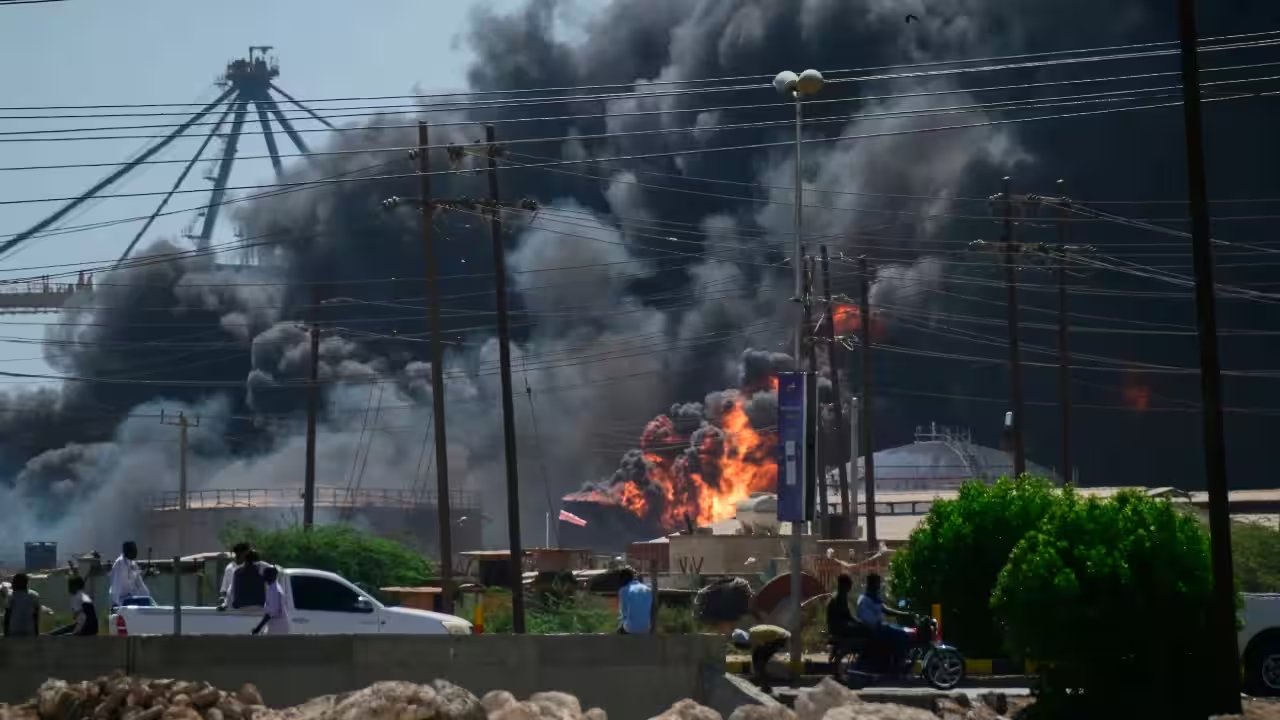
Smoke still hung over Tanqong Market when the first bodies arrived at the Doctors Without Borders clinic. Dr Alaa al-Din Nugud, health minister in the RSF-aligned Tasis administration, put the death toll at 102. Another 113 were injured. The strike hit the Dumaya neighbourhood of Nyala on Monday evening.
Witnesses described a scene of chaos. Drones descended while shoppers ate breakfast. Adam Musa Obama, executive director of the Darfur Victims Organization, said his team documented 14 deaths on the spot. That count included 12 women and six children. Eyewitnesses reported 120 total killed or wounded. The discrepancy between initial counts and final tallies is common in active war zones, but the scale here is stark.
Emergency Lawyers, a rights group tracking the conflict, issued a statement on Tuesday. They blamed the Sudanese Armed Forces (SAF) for the attack. The group called for an independent investigation. MSF confirmed the carnage, reporting 36 bodies at its hospital and treating 150 patients in its emergency room. The numbers align with the minister’s data, suggesting the market was a primary target.
This is not an isolated incident. Drone strikes have become the deadliest threat to civilians in Sudan’s war, the United Nations has said. Both the SAF and the paramilitary Rapid Support Forces (RSF) use explosive-laden drones. Recent attacks have hit hospitals, schools, and displacement camps. The conflict, which began in April 2023 in Khartoum, has displaced millions. The UN now describes it as the world’s largest humanitarian crisis, with 34 million people in need of assistance.
The next step is unclear. No official statement from the SAF has been released yet. The RSF-controlled government has placed hospitals on alert. As the war enters its third year, the line between combat zones and civilian spaces in Darfur has effectively vanished.