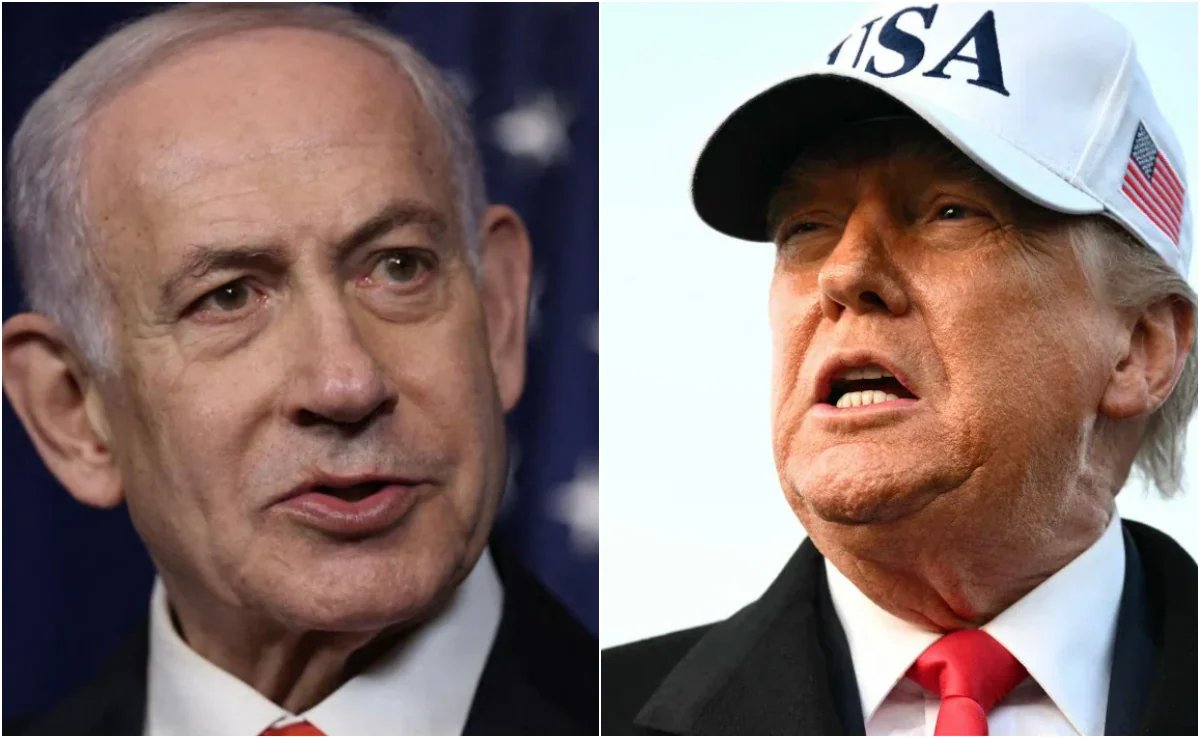
U.S. President Donald Trump posted a video on Truth Social on Sunday, October 20, calling Israeli Prime Minister Benjamin Netanyahu a "strong, brave, and brilliant" leader and pledging to help "eliminate the Iranian threat" if Netanyahu is re‑elected. Trump’s message, which highlighted joint actions against Iran in 2024, was released just 13 days before Israel’s vote on October 27.
Netanyahu thanked Trump in a post on X, noting that the U.S. president’s support “strengthens our mission” and urged voters to keep the U.S. alliance intact. In polls by S&P Global, Netanyahu’s Likud bloc sits at 28% while opposition leader Gadi Eisenkot’s Yashar party trails at 26%, leaving neither side with the 61 seats required for a governing coalition.
The election follows the October 7 Hamas attack that triggered Israel’s first parliamentary vote in three years. Analysts warn that the 120‑seat Knesset will likely split into a coalition of disparate parties, making post‑election negotiations as critical as the vote itself.
U.S. Secretary of State Marco Rubio cautioned against a crisis in the West Bank, citing a recent assault on a Washington Post photojournalist by Israeli settlers. Rubio’s remarks come amid growing concern that Netanyahu’s hard‑line stance could further isolate Israel on the international stage.
For many Israelis, the stakes feel personal. 68‑year‑old veteran Meir Cohen, who fought in the 1967 Six‑Day War, told a local newspaper, “I want a leader who keeps us safe and respects our history.” His sentiment echoes among a cross‑section of voters who weigh security against democratic values.
The October 27 vote will decide who commands the 61 seats needed for a majority coalition. If Netanyahu secures the mandate, he will likely seek to form a governing alliance with right‑wing parties, setting the stage for a 21‑month coalition negotiation that will shape Israel’s policy direction.