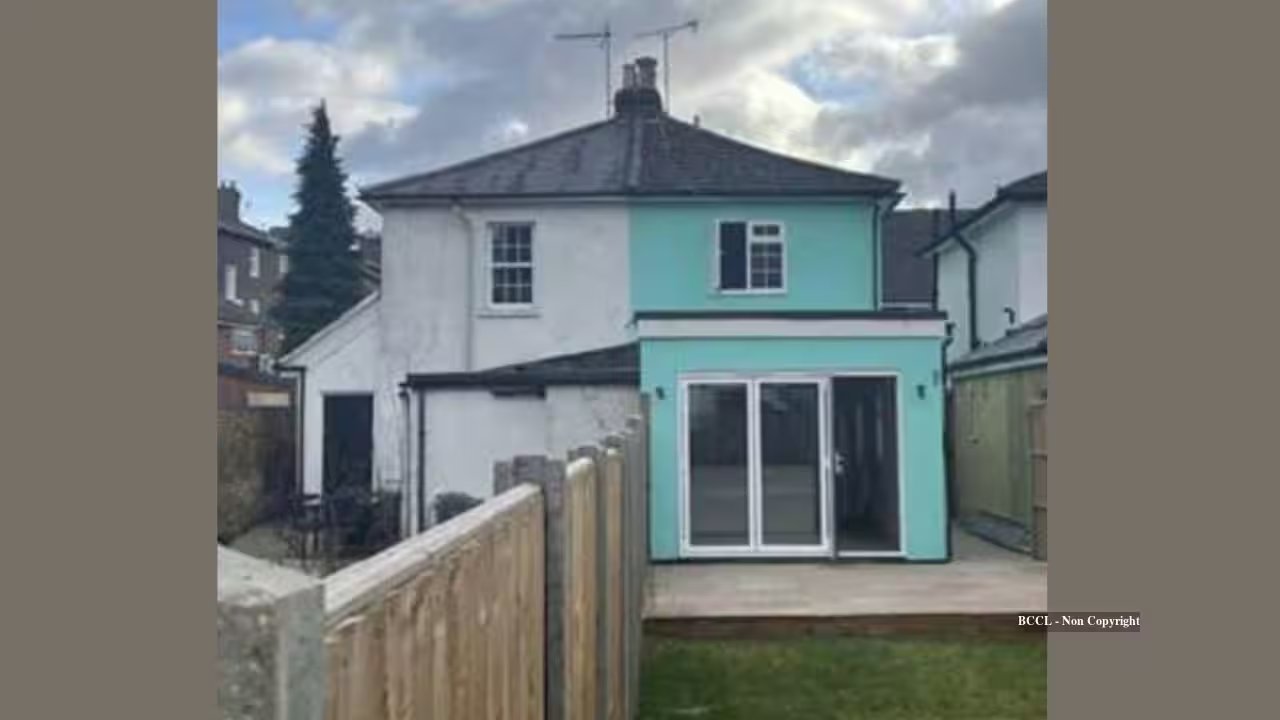
On Tuesday, Judge Ewan Paton ruled that Mina Sharma and Neil Deeley had adverse possession of the 48‑cm strip, allowing the kitchen extension to stay.
The two semi‑detached houses on Cottage Grove were once a single Victorian property before being split in the 1970s. Both owners had single‑storey kitchen extensions, but a 48‑cm overhang on the rear roof line, hidden by thick vegetation, had gone unnoticed for about four decades.
James and her husband Chris filed the case in 2021, demanding demolition after discovering the encroachment in 2022. They cited the property’s title plan, which showed a clear boundary, and argued that no one had ever challenged the extension.
Judge Paton said that a long‑standing physical structure that has been openly used and maintained can establish adverse possession, especially when the original boundary has stayed unchanged for at least 22 years. He noted that the title plan’s minor discrepancy was typical of Ordnance Survey maps.
The decision signals that even a half‑metre of encroachment can become legally entrenched if left unchallenged, urging buyers to scrutinise title plans and conduct surveys before purchase. Local surveyor Rajesh Patel warned that "a small overhang can become a costly legal battle."
For the Jameses, the ruling means living with a kitchen that extends beyond their legal property line, a bitter reminder that buying a home in London can involve hidden corners that only a tribunal can resolve.