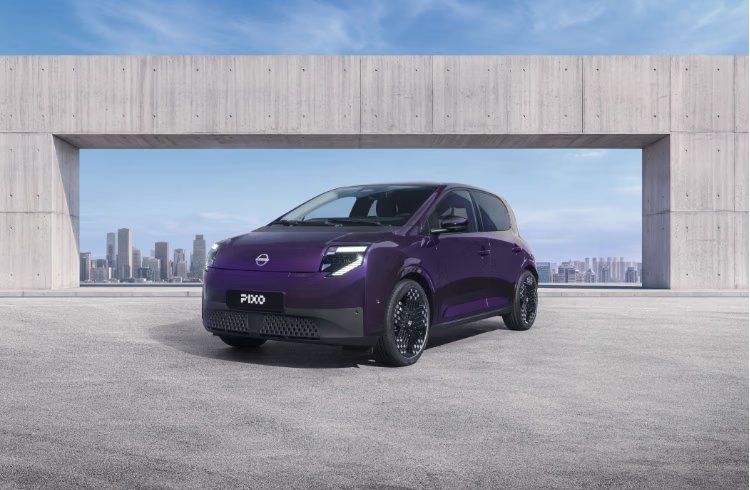
Nissan’s fresh Pixo EV rolls out with a 27.5‑kWh LFP pack that tops out at 60 kW, nudging a certified range of 259 km and a 15‑to‑80 % charge in about 28 minutes—just enough to cover a typical city commute without a pit‑stop.
Compared to the Renault Zoe’s 395‑km promise or the VW e‑Golf’s 230‑km figure, the Pixo sits neatly in the A‑segment, offering a balance of size, range, and power that appeals to commuters who want a practical, no‑frills electric hatch.
Manufacturing will take place at Renault’s plant in Slovenia, with deliveries slated for early 2027 and pre‑orders opening in December 2026. While the price hasn’t been disclosed, industry chatter suggests it will be positioned below the 1.5‑lakh‑rupee mark that has become the benchmark for entry‑level EVs.
The car measures 3,796 mm long, 1,790 mm wide (sans mirrors) and 1,512 mm high, perched on a 2,492‑mm wheelbase that gives a tight 9.9‑metre turning circle. Its 356‑litre boot expands to 1,221 litres when the rear seats fold—ample for groceries or weekend gear.
Inside, a 7‑inch instrument cluster and a 10‑inch infotainment screen form the core, while Face‑ID recognition and native Google Gemini AI let the car adapt to the driver’s habits. Safety tech includes stop‑and‑go adaptive cruise, lane‑departure warning, hands‑free parking, and one‑pedal driving for regenerative braking in traffic.
Watch the European launch calendar: the Pixo is set to hit major cities—Berlin, Paris, Madrid, and Milan—by early 2027. Key next steps will be pricing finalization, pre‑order incentives, and how the model stacks up against the existing electric hatchback ecosystem.