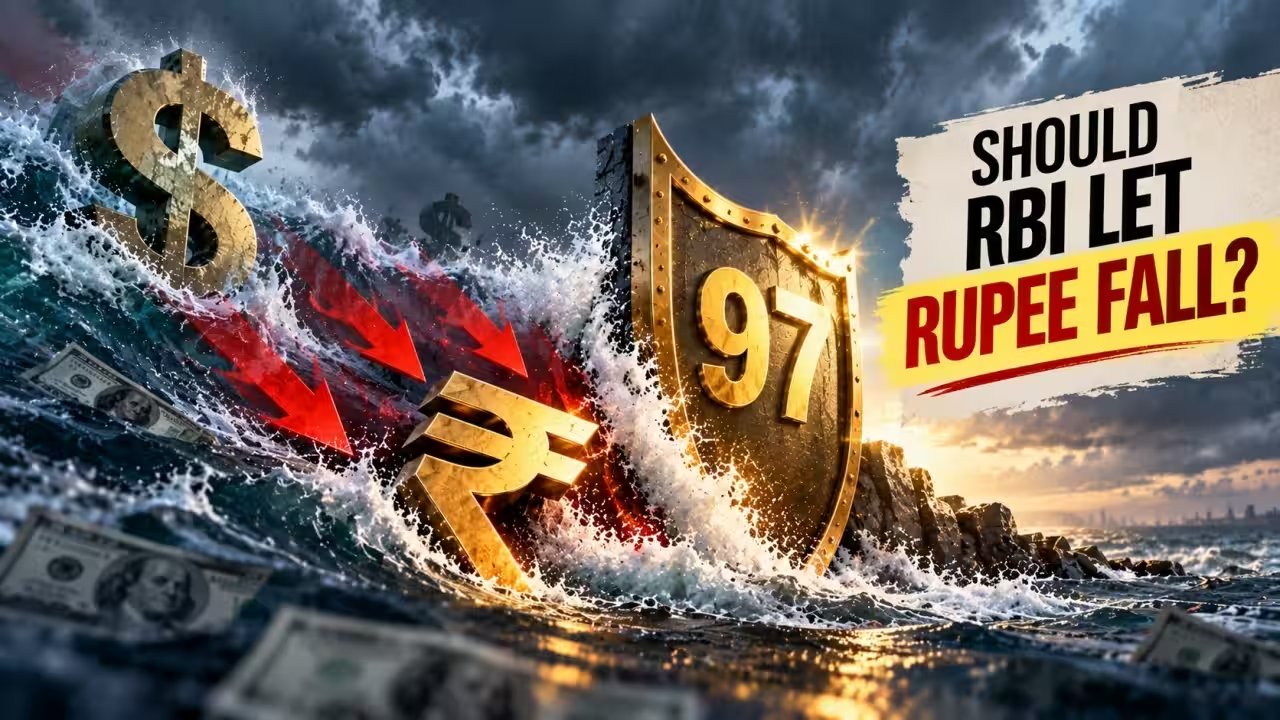
RBI launched a ₹25,000‑crore open‑market operation on May 17, 2026, sealing a sudden dip that had pushed the rupee near 97 to the dollar in early May. The move followed weeks of capital outflows, higher oil prices and a tightening U.S. monetary stance that had kept the dollar firm.
The package also opened a direct dollar‑supply window for three state‑run oil marketing companies, diverting roughly ₹10‑12 billion a month from the spot market. Daily CRR has been raised to 99%, and a ₹25,000‑crore OMO sale was announced to tighten liquidity. RBI tightened derivative rules by prohibiting rebooking of cancelled rupee contracts, lowering the threshold for FX positions to ₹5 million, and adding a foreign‑exchange‑risk reserve for large contracts.
Economist Vivek Kumar of QuantEco called the package a “comprehensive package for addressing both internal and external macro pressures.” He added that “the dual focus on raising the cost of money and restricting its availability is an appropriate policy response to emerging inflation and currency risks.” Ranen Banerjee of PwC India said the measures would curb speculative trades but not solve the fundamentals behind demand and supply of forex.
Global forces still loom. The Federal Reserve’s September 17 rate hike has amplified capital outflows, while energy prices remain high. RBI’s governor, Sanjay Malhotra, has described the rupee as undervalued relative to its fundamentals, yet warned that a stronger currency is not guaranteed without easing global tensions.
Looking ahead, RBI will maintain an ex‑ante real policy rate of 1.5% and keep its policy tools ready to tighten if the rupee faces renewed speculative pressure. A formal policy review is slated for June, when the bank will assess whether the OMO sales and derivative restrictions have delivered durable stability.