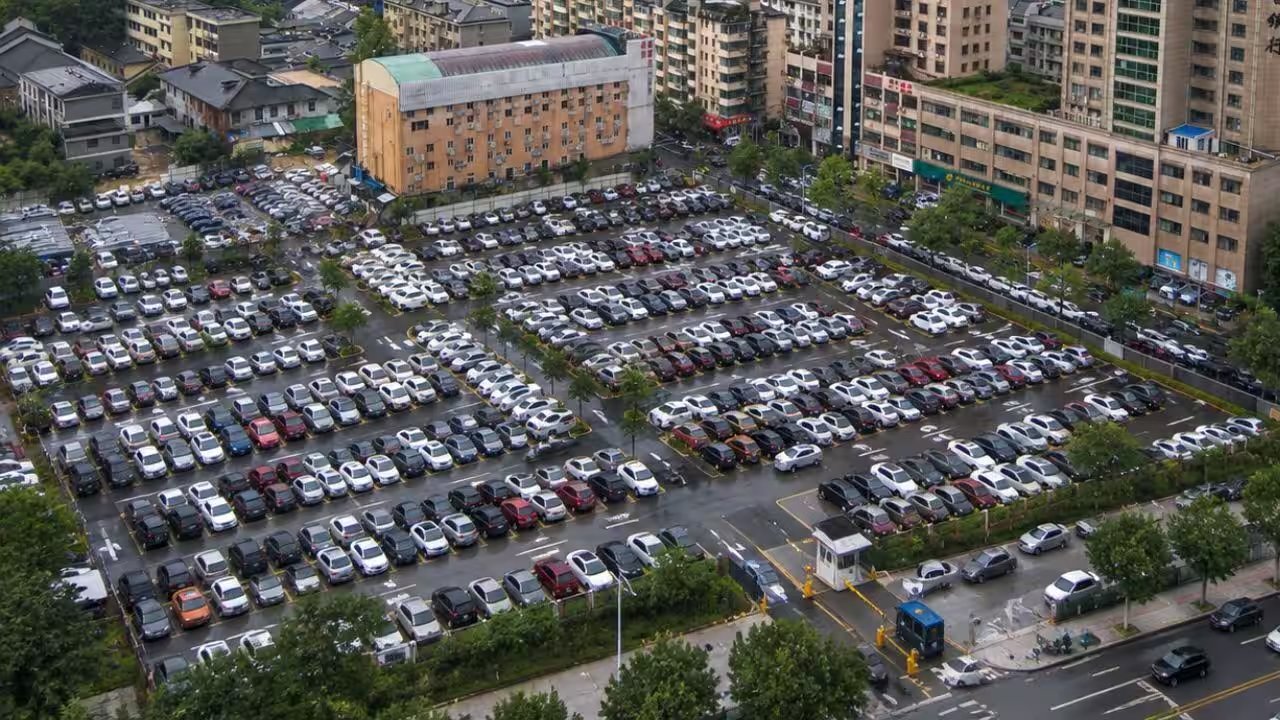
Wu, a Chinese entrepreneur, seized a rare opportunity when Changsha's new residential development hit the market in 2018, a time when the area still lacked basic amenities. She paid 14 million yuan for 196 parking spaces, representing 40% of the complex’s total inventory, and banked on the city’s planned infrastructure upgrades to boost demand.
She began renting the spots at 500 yuan per month, double the developer’s original rate, and listed some for sale at 100,000 yuan—an 80% premium over the initial price. Residents, who had no other parking options, felt the steep hikes were unfair and began organizing a challenge.
In February 2024, a Changsha court dismissed the residents’ lawsuit that sought to annul Wu’s contract, citing no statutory limit on individual parking ownership. The judge noted that residents had been offered the spaces at launch and declined to buy, while Wu had taken the financial risk.
The ruling has split the community: some homeowners applaud Wu’s foresight and view the outcome as a win for private investment, while others fear a precedent that could let a single investor dominate essential services. One resident, Li Wei, said, "We need affordable parking, not a monopoly.">
City housing officials are monitoring the case as Wu plans to expand her portfolio, targeting additional spots in neighboring districts. The dispute highlights the tension between individual property rights and communal access to basic infrastructure in rapidly developing urban areas.