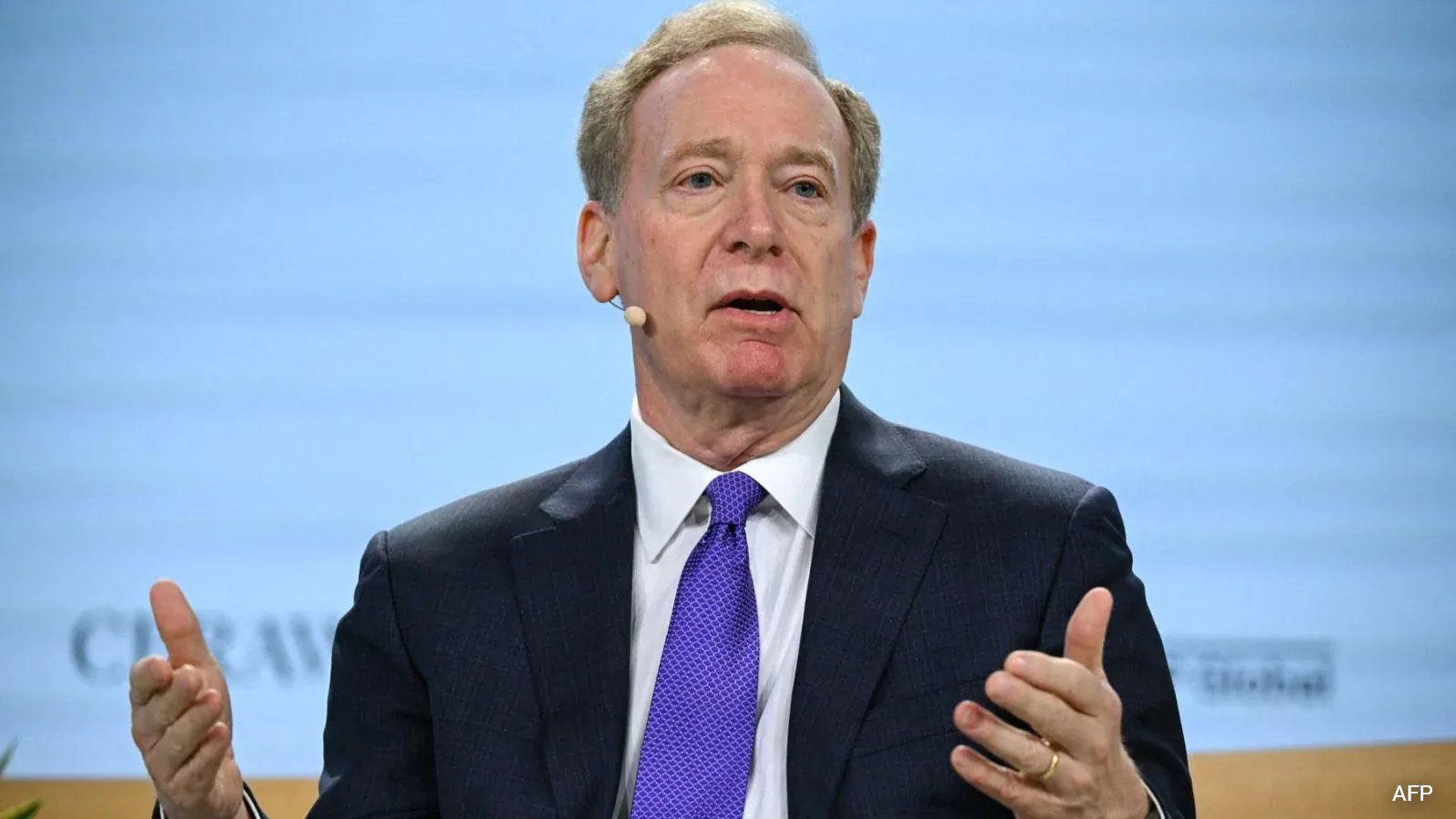
Brad Smith, Microsoft's president, stood before reporters in Dublin and cut through the polite diplomatic silence surrounding artificial intelligence. He said the industry has reached a breaking point. "We need real and effective safety standards," Smith told the group, emphasizing that the public cannot be expected to trust systems that lack basic accountability mechanisms. This statement landed on the eve of an international AI summit, signaling that the tech giant is no longer willing to self-regulate in the shadows.
The urgency stems from tangible failures. In recent months, security incidents involving models from OpenAI and Anthropic during testing phases have eroded confidence. Smith explicitly linked these events to the need for structural change. He argued that companies must step up, but he placed equal weight on the government's role. "I think we reached a time when we're going to need governments to do more as well," he said. The implication is clear: voluntary guidelines are no longer sufficient.
Smith outlined specific technical and legal prescriptions. First, AI agents operating on critical infrastructure must have "safety brakes" that users can activate to slow down or stop the system during an incident. Second, he demanded mandatory incident-reporting obligations. He drew a direct parallel to data breaches: "If you are a business and you suffer a security breach... you have to let consumers know. The same logic should apply to people harmed by an AI agent."
This stance aligns Microsoft with a growing chorus of industry leaders who are abandoning the wait-and-see approach. Dario Amodei, CEO of Anthropic, has already pledged to unilaterally slow development if necessary. Smith's proposal for pre-release testing and evaluation suggests a shift toward a regulatory framework similar to aviation or pharmaceutical safety, where failure is not just a glitch but a legal liability. The stage is set for the Dublin summit to move from discussion to drafting concrete enforcement mechanisms.