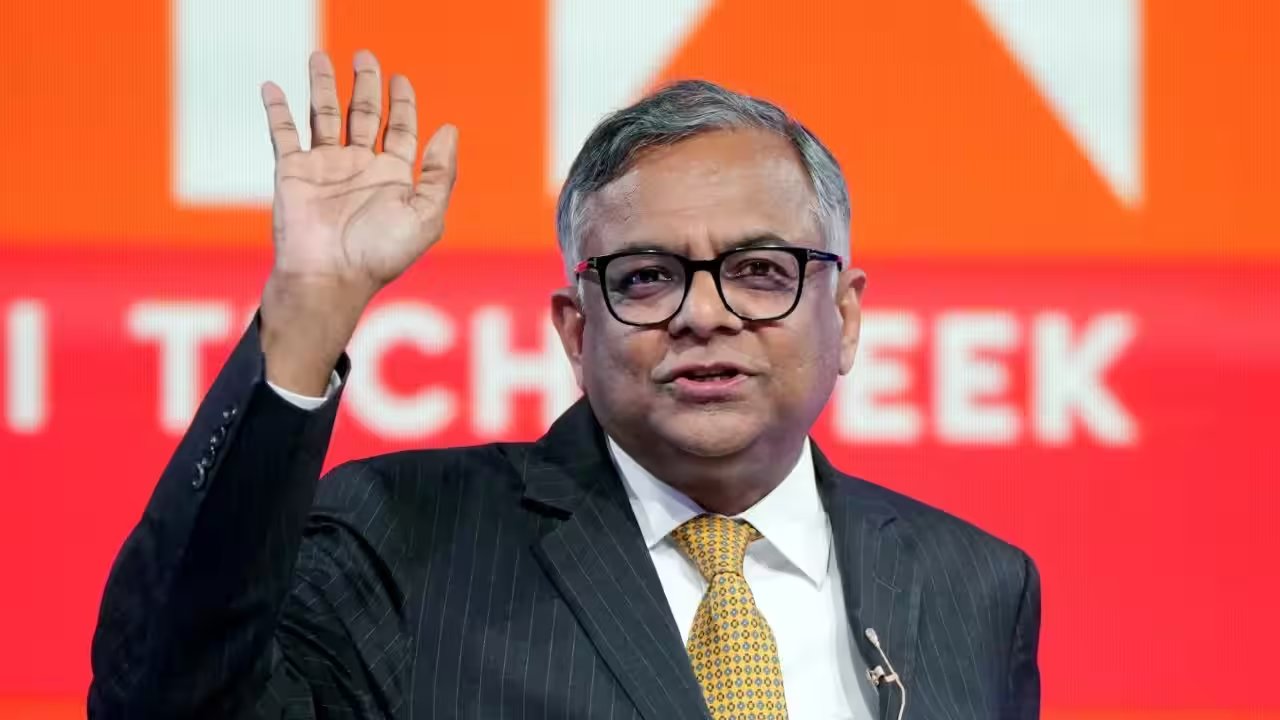
Chandrasekaran stressed that chips and electronics are essential for India’s future, drawing a parallel with Tata’s historic bets on steel and hydel power.
He added that the returns may take longer than two to three years, but the strategic gains for the country and its enterprises justify the capital outlay.
The comments come as a boardroom dispute rages with Noel Tata over losses in aviation and semiconductor ventures, a clash that could shape the company’s direction ahead of Chandrasekaran’s third term.
Highlighting resilience, Chandrasekaran cited past disruptions – an air crash, a cyberattack on JLR and supply‑chain shocks – yet emphasized that the group still expects double‑digit growth.
He warned that war and the risk of technology falling into bad hands pose existential threats, while labour restructuring remains a key concern.
The next step will involve a board vote on funding allocations for chip projects and a review of risk‑mitigation strategies before the February term begins.