Commercial aviation faces a reputational crisis. The Flydubai co-pilot stabbing incident and the Air India pilot found high on marijuana in August have dominated headlines. Yet, beneath this noise, a staggering 10 million people board commercial airliners every single day. They arrive at their destinations largely without incident. The system holds.
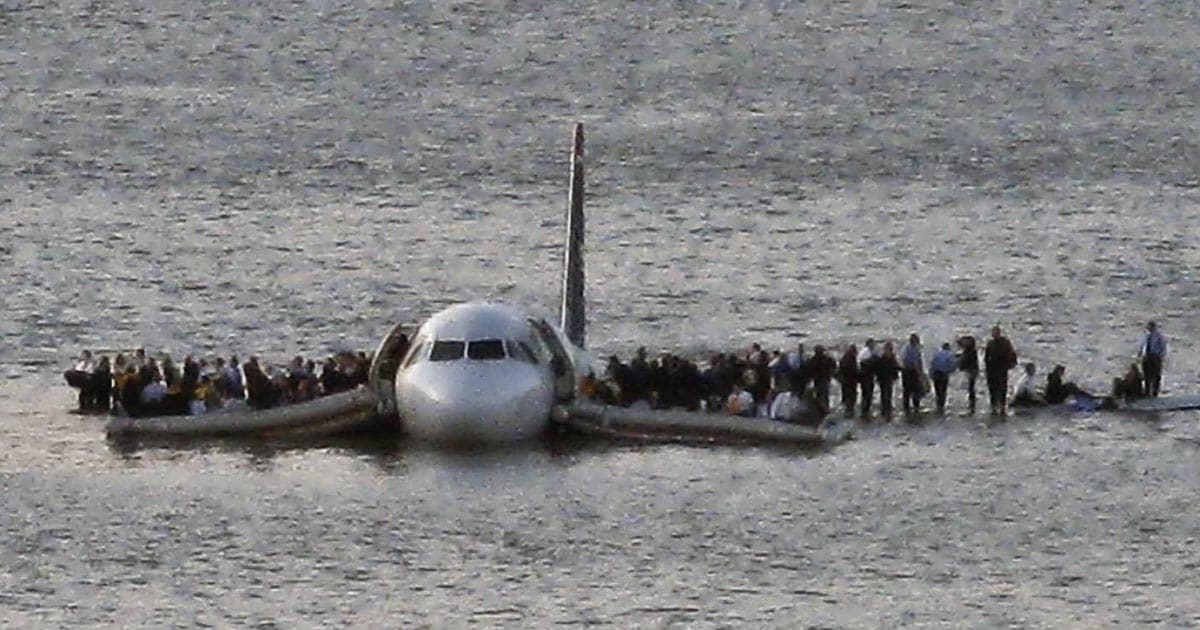
The recent scandals make it easy to forget the human element that keeps planes in the air. Pilots do not just push buttons; they make split-second decisions that save thousands of lives. History is littered with moments where ordinary crew members performed extraordinary feats. Chesley Sullenberger’s landing on the Hudson River in 2009 remains the gold standard. But the list extends far beyond New York.
Consider the Gimli Glider in 1983. Air Canada Flight 143 ran out of fuel over Manitoba, Canada. Captain Bob Pearson and his team glided the jet to a safe landing on a former airstrip. No injuries. No crash. Pure, unadulterated skill. Or look at the Patna landing, where pilots navigated complex weather and technical issues to bring a plane down safely in Bihar. These are not myths. They are documented facts.
The contrast is stark. On one side, a co-pilot with a knife. On the other, a pilot managing a fuel crisis with ice in the air. The former is a tragedy of individual malice. The latter is a testament to training, discipline, and calm under pressure. When an Air India pilot operates a flight from Phuket to Delhi, the expectation is precision. When that precision fails due to substance abuse, it shatters trust.
The aviation industry must confront this duality. It cannot ignore the rare failures while celebrating the daily successes. Regulators must scrutinize drug and mental health checks more rigorously. Airlines must ensure that their crews are not just certified, but psychologically and physically fit to handle the stresses of modern flying. The 10 million daily passengers rely on this.
What happens next is a matter of regulatory enforcement and cultural change. Aviation authorities in India and the UAE are expected to tighten security and health protocols. The next time a plane lands safely, the credit should go to the pilot’s training, not just luck. The next time a tragedy strikes, the blame must fall on the system that failed to prevent it. The stakes are not just corporate reputation. They are lives.