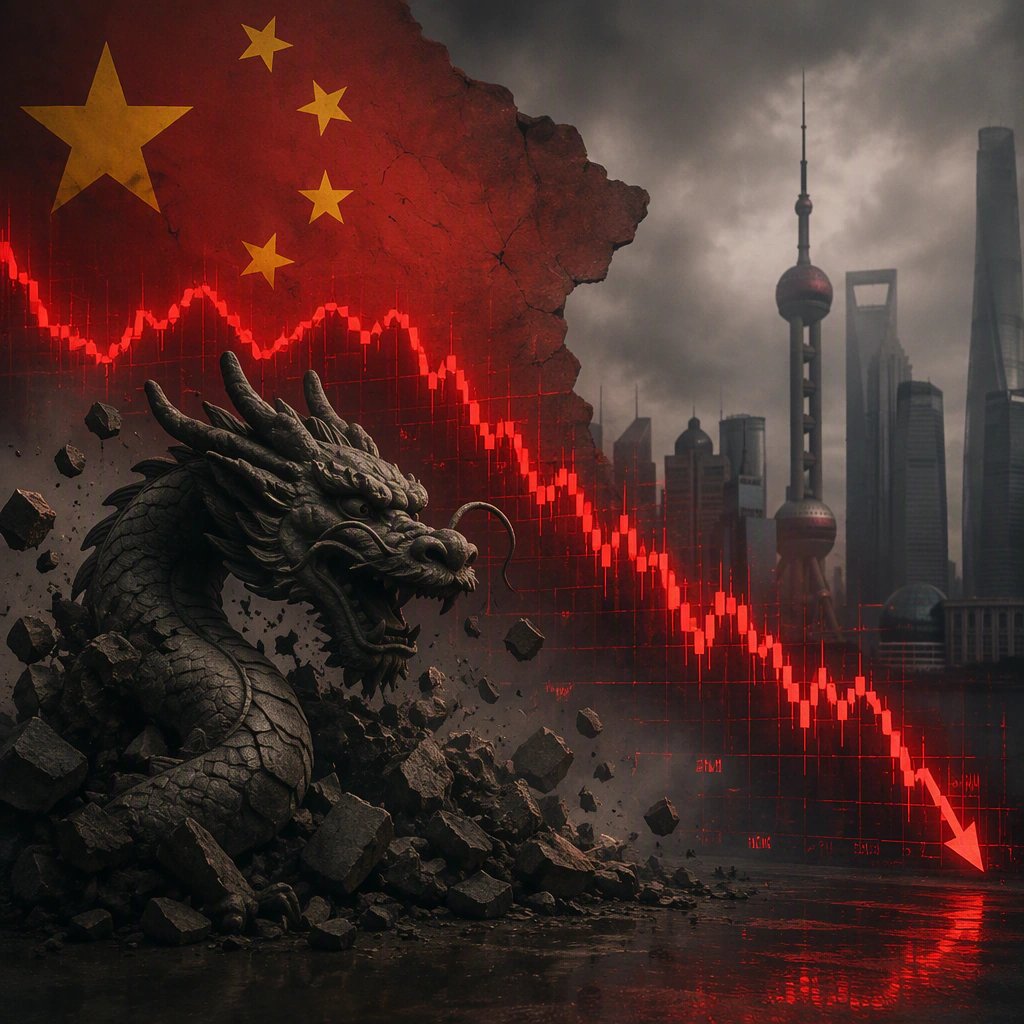
The CSI 300 Index, tracking 300 major firms in Shanghai and Shenzhen, dropped as much as 1.6 per cent on Thursday (October 22). That move pushed the benchmark down 20 per cent from its June peak. In technical terms, that is a bear market. The sell-off wasn't just onshore; a gauge for major Hong Kong-listed Chinese stocks slid 2.9 per cent, mirroring the anxiety rippling through the sector.
The trigger? A hard reset after an AI-fueled rally. For months, tech optimism and government backing sent money flooding into the sector. But the mood shifted. Investors are now scrutinizing valuations against actual earnings. When expectations outrun profits, corrections are inevitable. This isn't just a China problem; a global AI stock sell-off is weighing on Asian markets, but Chinese equities are feeling the extra weight of local economic doubts.
The consumer remains the missing link. Q3 growth beat expectations, keeping China on track for its annual target, but that doesn't mean households are spending. Retail and internet services are sluggish. For investors, hitting a growth target isn't enough; they want to see broad-based demand and healthier corporate margins. Until that happens, growth figures alone won't revive enthusiasm.
Beijing’s stimulus card has lost some shine. Earlier gains were fueled by bets on major policy intervention. Now, those hopes have cooled. Authorities are curbing selling pressure with government-backed purchases, but that’s a band-aid, not a cure. A sustained rebound needs stronger earnings and real policy support that translates into better business conditions, not just temporary price stabilization.
The latest earnings underscore the caution. Contemporary Amperex Technology, the world’s top battery maker, saw shares fall 12 per cent on Wednesday after reporting slower-than-expected profit growth. It’s a warning sign: even policy-backed giants are struggling to maintain momentum. Abhishek Bhilwaria, Partner at BhilwariaFinserv, noted to NDTV that this correction highlights how fast sentiment can turn when economic data doesn't match the hype.