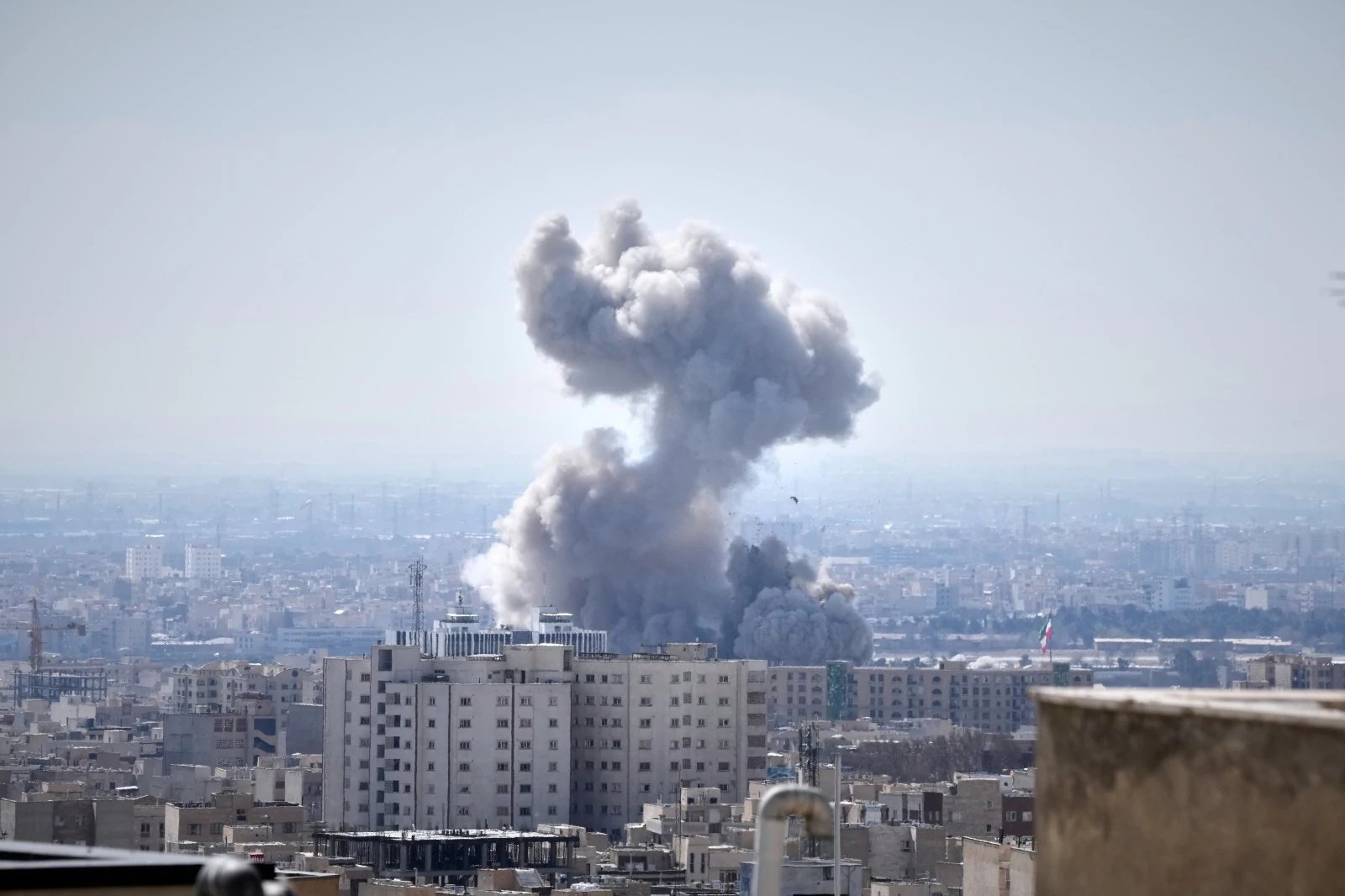
TEHRAN — Iran's Islamic Revolutionary Guard Corps said Friday it struck a US early-warning radar system stationed in Bahrain, marking Tehran's first claimed assault on American military hardware in a Gulf nation since early September.
US Central Command swiftly refuted the claim.
The Guards said the operation served as direct retaliation for an air attack that hit a telecommunications tower in southern Iran's Sirik county, located in Hormozgan province, according to Iranian state media. The incident shatters a fragile, weeks-long lull in a wider conflict that erupted on February 28, when coordinated US and Israeli strikes pounded targets across Iran before spilling across regional waters.
Bahraini officials issued no immediate comment on the claimed strike.
Tehran framed the strike as an immediate military answer to incursions on its southern shoreline.
According to statements broadcast on Iranian state networks, military planners selected the Bahrain site after pinpointing foreign air assets responsible for hitting communications infrastructure inside Hormozgan province. Sirik county borders the strategic entrance to the Persian Gulf. Any hostile strike there cuts directly into Iranian early-warning perimeters.
The Revolutionary Guards moved fast.
Yet the Pentagon pushed back immediately against Tehran's public account. Officials at US Central Command refuted assertions that any American radar site in Bahrain suffered damage, blunting Iran's domestic narrative of a successful cross-gulf hit.
| Operational Parameter | Verified Detail |
|---|---|
| Claiming Force | Islamic Revolutionary Guard Corps (IRGC) |
| Target Claimed | US Early-Warning Radar Installation |
| Target Location | Bahrain |
| Stated Retaliation Trigger | Air strike on telecom tower in Sirik County, Hormozgan |
| US Military Response | CENTCOM refuted the claim |
| Prior Conflict Outbreak | February 28 US-Israeli joint strikes |
The contested strike underscores the persistent volatility gripping Gulf transit routes since late February.
Following the opening round of US and Israeli bombardments, Iran launched repeated barrages of ballistic missiles and attack drones against American operating bases scattered across allied Gulf states. Tehran simultaneously attempted to choke commercial shipping through the Strait of Hormuz—the narrow artery through which a massive share of global oil and liquefied natural gas flows. Washington answered with muscle.
The US Navy imposed a sweeping naval blockade on major Iranian ports, attempting to bottle up Iranian supply lines and squeeze Tehran's maritime capabilities.
Military observers and maritime tracking operators are now watching regional airspace and Bahraini installations for operational signs of physical damage, while regional capitals await further official statements from Manama and Washington.