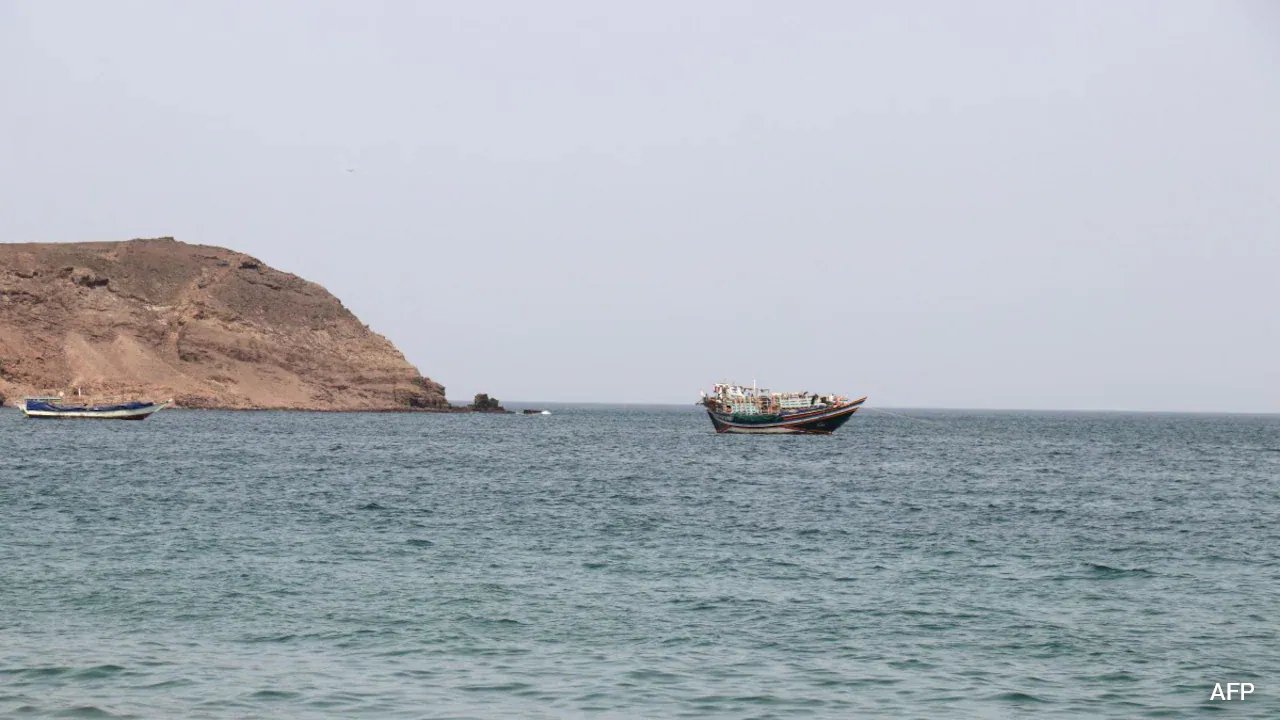
Commercial vessel operators are directly emailing Yemen's Houthi movement to clear safe passage through the Red Sea.
The informal arrangement bypasses international naval escorts, requiring shipmasters to seek voyage clearances before their rudders turn into dangerous waters. Operators submit their vessel manifests and voyage plans directly to the Humanitarian Operations Coordination Centre (HOCC), an administrative arm established by the Houthi leadership in early 2024. In these digital filings, shipping companies explicitly declare that their vessels hold no operational or commercial ties to Israel, the United States, or the United Kingdom. Clearance confirmations typically land back in captain inboxes within 24 hours.
The arrangement is operational reality.
Operational records from an August 16 transit request filed for the Chinese container ship Zhong Cheng Chang Ling detail the mechanics of the system. After reviewing the container ship's planned route and cargo profile, the HOCC issued a seven-day transit permit through the maritime corridor. The green light carried one rigid operating condition: the vessel had to keep its Automatic Identification System (AIS) activated throughout the voyage to transmit its identity, speed, and real-time coordinates. The Houthis track compliant targets closely. An unmonitored signal invites strikes.
Maritime operators face an ugly trade-off. Ships must either brave missile and drone attacks in the Bab el-Mandeb Strait or surrender weeks of transit time by diverting thousands of miles around Africa's Cape of Good Hope. Fuel expenditures and insurance rates for the southern circumnavigation have hammered logistical budgets. Consequently, carriers without Anglo-American or Israeli corporate connections treat the HOCC inbox as an operational necessity rather than a political compromise, leaning on the email channel as an added layer of security amid heightened regional hostilities.
Tension across Yemen's coastal waters sharpened significantly after the 2022 United Nations-brokered truce collapsed in July, triggering renewed military friction between Houthi forces controlling northwest Yemen and the Saudi-led coalition. While the Houthis maintain that non-aligned merchant fleets sail without threat, global maritime trade remains dependent on email approvals dispatched from Sanaa.