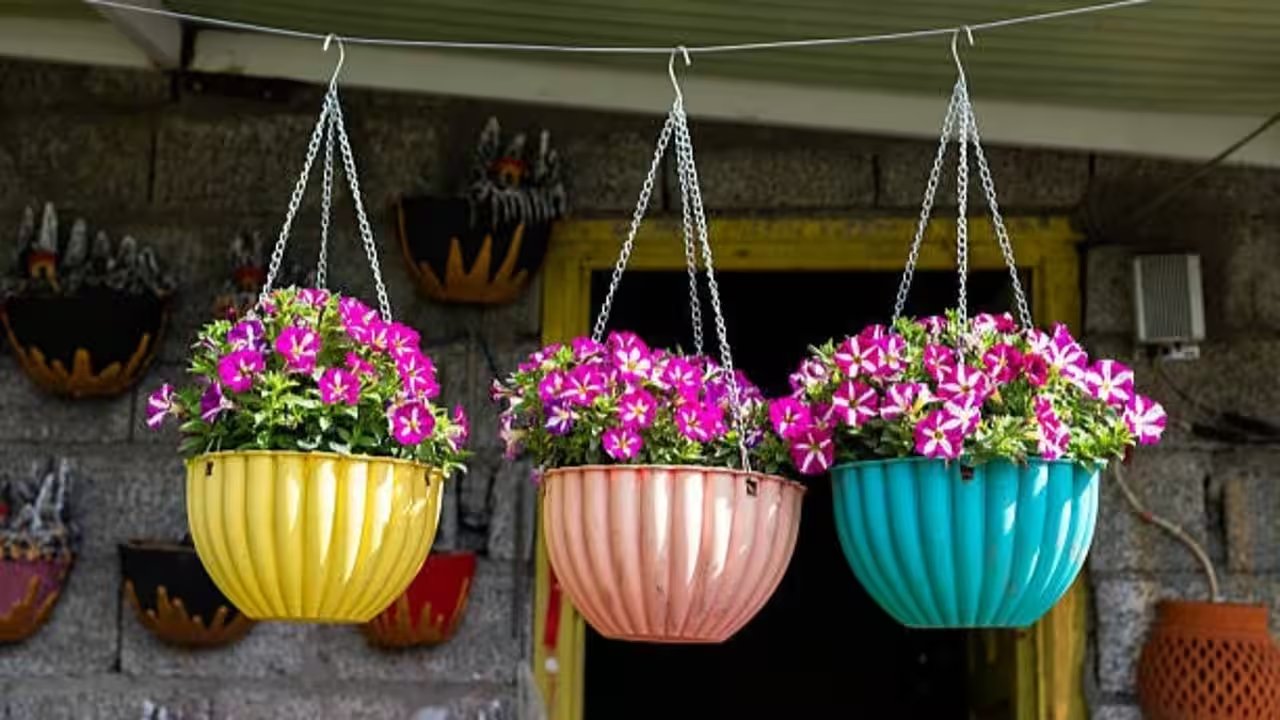
Vermicompost—worm‑decomposed kitchen scraps—offers a balanced mix of nitrogen, potassium, and micronutrients that petunias love. Use it by mixing one part worm compost with three parts potting soil when you plant, or sprinkle a thin one‑inch layer on top and water in every four to six weeks. Because it releases nutrients slowly, you’ll avoid root burn and keep the soil moist for longer.
If you’re running low on worm compost, banana peels are a kitchen‑scrap superstar. Chop fresh peels into tiny bits and tuck them an inch under the soil, or dry them, grind into powder, and dust a teaspoon on the surface. They bring potassium that boosts flowering, but remember to bury them to keep flies away.
For a phosphorus punch, a light dusting of bone meal can help petunias produce bigger blooms. Mix a tablespoon into the top layer of a medium pot, water well, and let it work its slow‑release magic over a few weeks. Keep it away from pets, and use sparingly to avoid excess buildup.
Beyond feeding, give petunias at least six hours of direct sun, water at the base, and let the top inch dry between waterings. Pinch off faded flowers and trim leggy stems to encourage new buds. Skip heavy nitrogen fertilisers; they’ll trade flowers for leafy greens and make your garden look like a lawn, not a bouquet.
Ready to try vermicompost? Local co‑ops sell ready‑made worm compost for ₹200 per bag, or you can start a home worm bin with a 5‑liter container and a handful of kitchen scraps. Sprinkle it on your petunias and watch them flourish—no extra chemicals, just natural, earth‑friendly nutrition.