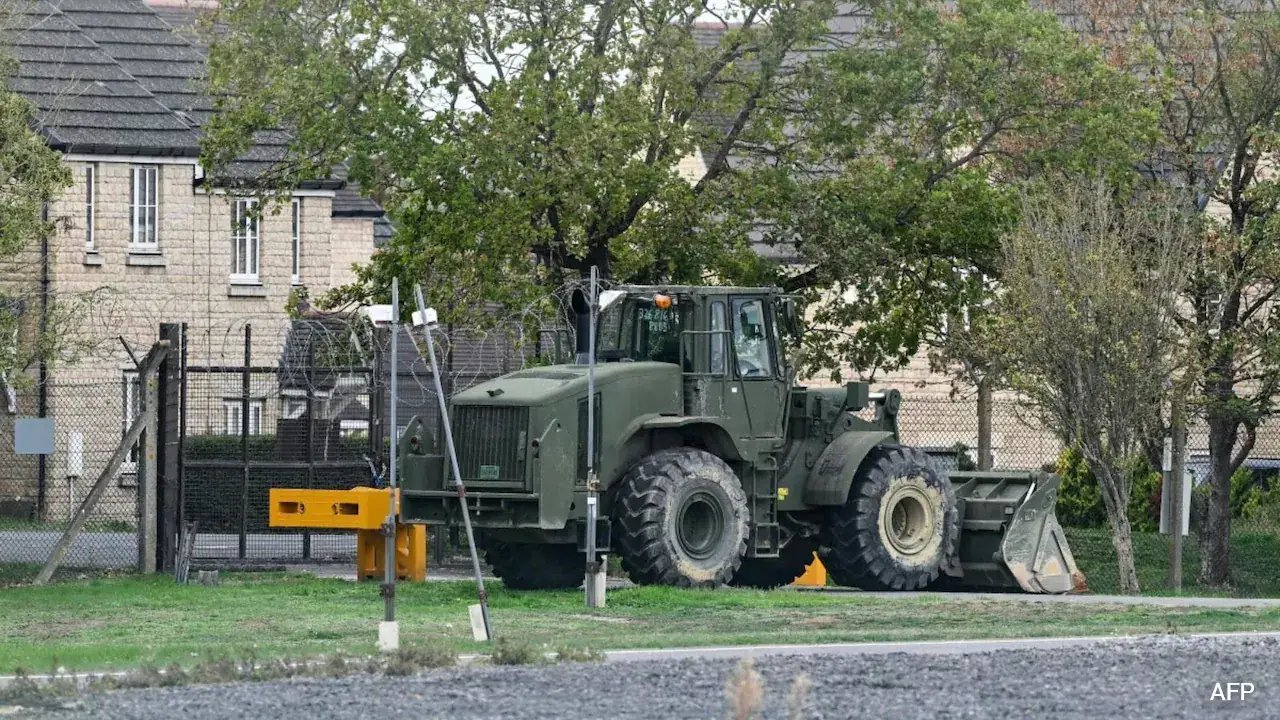
Five men were arrested on the night of Sept. 27, 2024, after three vans were spotted approaching RAF Fairford from the west, a move that prompted an immediate police response. The vans carried no explosives, but the drivers—British nationals in their twenties—were taken into custody on suspicion of terrorism and attempted bombings.
The base, operated by the Royal Air Force but used by U.S. B‑52s for strikes on Iran since 2019, has been a strategic launch point for the Iran war. In the weeks following the arrests, the U.S. Air Force announced that all B‑52 bombers stationed at Fairford would be redeployed to their home bases in the United States.
British counter‑terrorism chief Laurence Taylor said the suspects face stringent bail conditions and remain under investigation. He added that the inquiry will examine whether the alleged offenses were carried out by proxies acting on behalf of a foreign state, citing Tehran as a likely sponsor.
The UK’s Prime Minister Andy Burnham said “strong indications” point to Iranian involvement, a claim that the Iranian embassy dismissed as “unfounded.” Meanwhile, former British intelligence officer Nigel Inkster warned that Iran has a history of hiring low‑grade operatives to conduct crimes in the UK.
U.S. President Donald Trump criticized the UK’s decision to release the men on bail, calling it a mistake and asserting that the U.S. and U.K. intelligence services had monitored the suspects for an extended period. In Washington, Trump said the U.S. would not keep bombers at Fairford if it risked provoking the enemy.
The investigation continues with joint U.K. and U.S. intelligence agencies reviewing security protocols at RAF Fairford and assessing the extent of Iranian influence on the alleged plot. The next phase will involve a security audit and a review of the decision to move the bombers back to U.S. bases, with a report expected by the end of October.