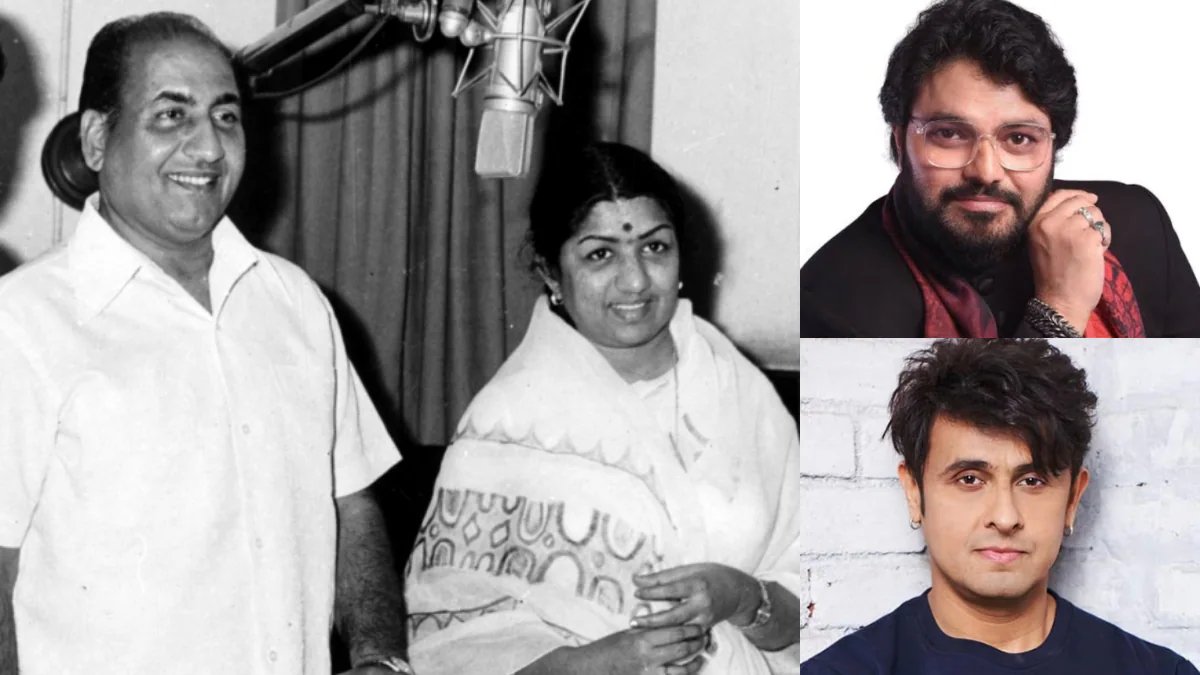
The Sun‑n‑Sand Hotel in Juhu was the stage for a 2005 showdown that still echoes in Babul Supriyo’s mind. At Aadesh Srivastava’s birthday bash, a conversation about royalty contracts with Sonu Nigam spiraled into a full‑blown quarrel – a rare public breach between two of the industry’s stalwarts.
Babul’s recollection is punctuated by a striking comparison: he says the spat mirrors the Lata‑Rafi fallout, a dispute that kept the iconic pair from singing duets for three years. According to Rafi’s daughter‑in‑law, Yasmin Khalid Rafi, Lata demanded royalties for their joint songs, while Rafi insisted that once a producer paid a fee, singers should not claim further shares.
The old‑school model of royalty payment, Babul explains, was a minefield. He still receives royalties from HMV contracts for albums recorded in ’98‑’99, but only for hit songs – the rest of his work vanished into thin air. He contrasts that with today’s digital reality, where streaming royalties and IP rights now bring in a steady, if fragmented, income.
Despite the past friction, Babul says the two singers are now on good terms, citing shared performances with Anup Jogi, Shaan and other veteran voices. The current revenue model, he argues, has diluted old grudges, allowing artists to focus on creating rather than fighting over cut. As the industry continues to evolve, he hopes that such reconciliations become the norm rather than the exception.