Tokyo police announced that yakuza membership dropped to 17,600 nationwide in 2023, the lowest figure on record. The number reflects a relentless law‑enforcement push that has seen the once‑dominant syndicate’s reach shrink across Japan’s drug rings, gambling dens and sex trade.
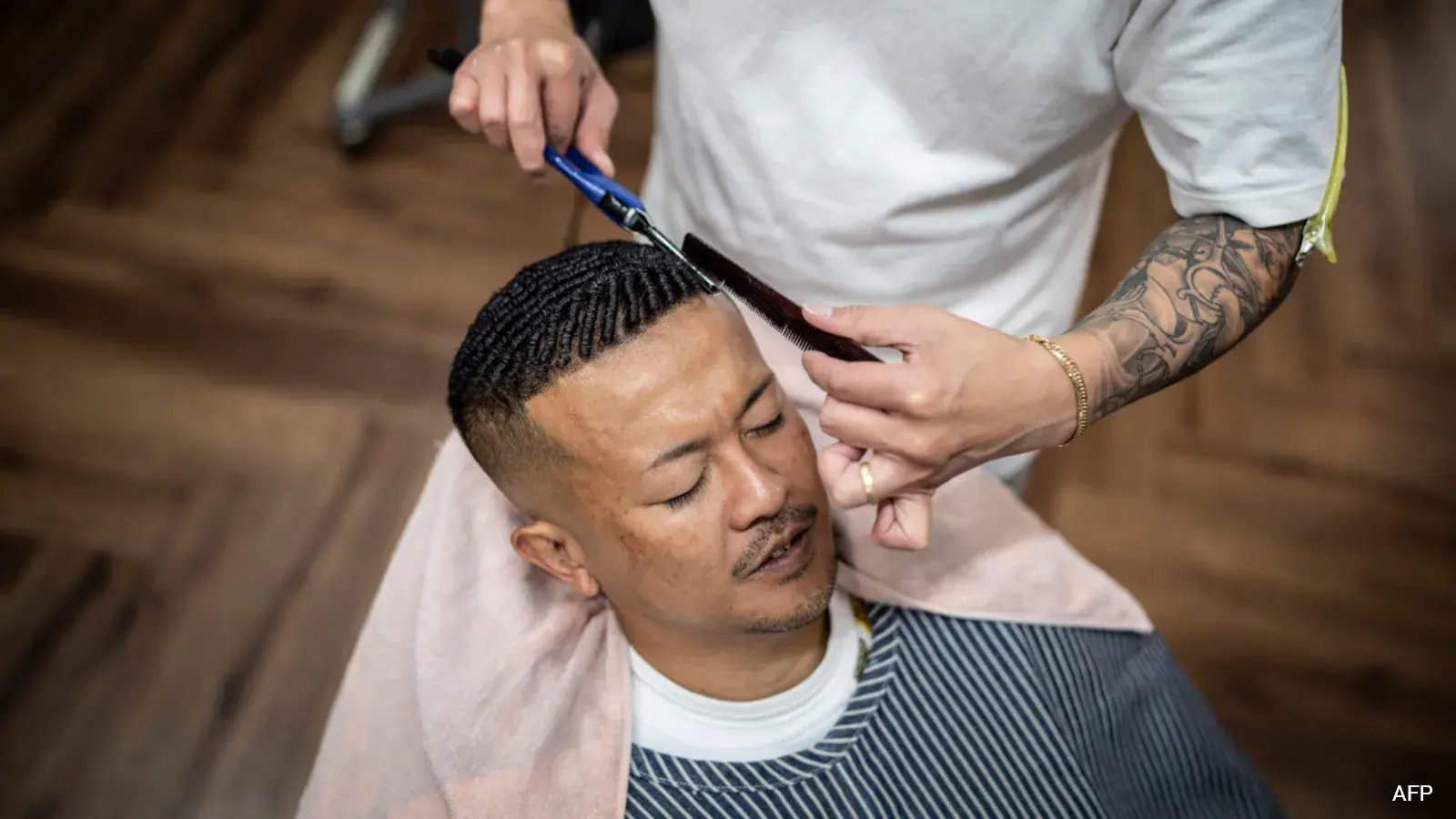
The syndicate’s empire, worth billions, still projects an image of menace and wealth; haircuts and sharp suits are the visual currency of the underworld. Tekisasu, a 44‑year‑old gangster whose moniker means "Enemy Stabber," told AFP that "the yakuza are all about vanity," and that a neat appearance boosts a gangster’s reputation. He spends a monthly two‑hour perming ritual and a weekly haircut that keeps his back and sides shaved to a high skin fade, a break from the violence he lives by.
Barbers play a key role in that image. The 32‑year‑old barber, who serves about ten active yakuza, says he merely makes them look cooler. He denied any wrongdoing, noting that his work simply preserves the gangster’s intimidating aura. The barber requested anonymity because association with the mafia could harm his business, yet he insists he never gives preferential treatment.
Police say the crackdown has led to 320 gangsters quitting in 2024, and the new anti‑yakuza laws forbid businesses from providing any benefit to mobsters. Retired anti‑mafia detective Yuichi Sakurai told AFP that while routine haircuts are legal, setting prices too low could be illegal favour. He argues that tightening the laws could close the remaining loopholes, including barbershops.
Tekisasu was arrested in 2021, jailed, and released last year. Now, he sits at a barbershop for a hot‑towel shave, hoping to escape a life of violence. He admits that pride and the need to survive keep him tied to the syndicate, but he wishes he could simply live smiling without hurting anyone.
Authorities plan to tighten the laws further, aiming to close remaining loopholes such as barbershops, in a move that could see new regulations drafted by the end of the year.