Step into a hotel room and the essentials sit right where you expect them. A neatly made bed welcomes you. A telephone rests on the nightstand, flanked by a television, an en-suite bathroom, and a compact work desk.
Yet the walls remain strikingly bare of one fixture: a clock.
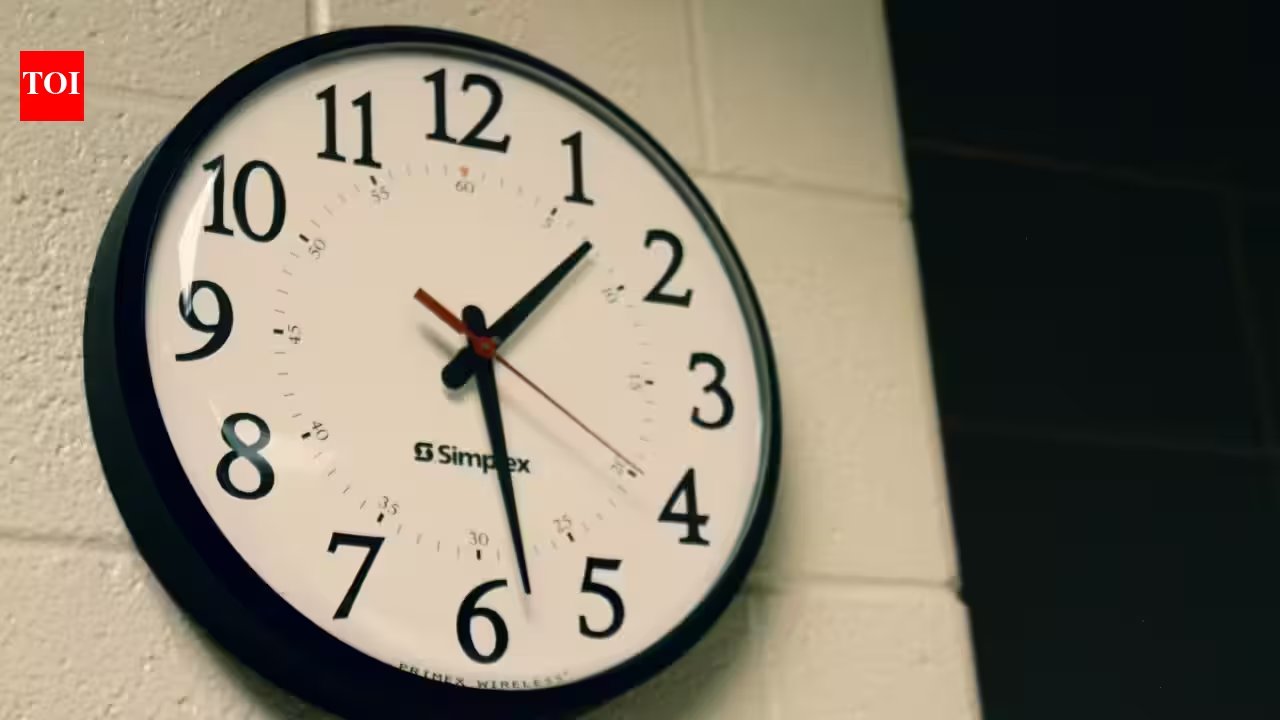
Its absence is not an oversight. It is an intentional operational choice. As guest habits change and properties rethink guest comfort, hotel operators have systematically phased out traditional wall-mounted timepieces in favour of quieter, cleaner spaces.
A guest room looks effortless on the surface, but running it demands relentless logistical discipline. Housekeeping and engineering teams already juggle heavy checklists—servicing television remotes, inspecting plumbing, replacing toiletries, and inspecting fittings.
Wall clocks add unnecessary friction.
Batteries drain without warning. Quartz movements slip out of sync. Damaged casings require hands-on repairs. Across a property managing several hundred rooms, inspecting and resetting manual clocks consumes hundreds of labour hours each year. Dropping the clocks lightens the engineering load instantly, letting maintenance crews focus on core guest amenities.
Travel pushes people into two camps: corporate travelers racing between meetings and holidaymakers trying to leave their routines behind.
A ticking wall clock works against relaxation.
Staring at a prominent timepiece keeps guests hyper-focused on early check-outs, packing deadlines, and looming flight schedules. It turns a temporary sanctuary into a corporate cubicle. By stripping clocks off the walls, hotels create a calmer visual environment that encourages guests to disconnect from the clock.
| Hospitality Factor | Traditional Wall Clocks | Modern Hotel Alternative |
|---|---|---|
| Time Tracking | Wall-mounted ticking quartz clock | Personal smartphones, smartwatches, and laptops |
| Maintenance Overhead | Battery changes, manual time syncs, physical repairs | Streamlined room inspections focused on core fixtures |
| Room Atmosphere | Visual deadline reminders mimicking an office | Relaxing, uncluttered environment designed to unwind |
| Technology Footprint | Single-function mechanical device on wall | Bedside charging stations, smart speakers, or digital hubs |
Guest behaviour drove the first wave of this shift. When travellers need the time, they do not scan the room. They reach into their pockets. Smartphones, connected smartwatches, and laptops handle scheduling, time zones, and morning alarms far more reliably than an analog dial.
Hotels have responded by upgrading room infrastructure rather than walls. Properties now prioritize bedside charging ports, integrated digital controls, and multifunctional smart speakers. When properties do provide clocks, they choose compact bedside units that leave walls completely clear.
Design aesthetics seal the decision. Interior architects balance comfort against clutter, especially in compact city layouts. Wall space is prime real estate. Designers prefer hanging local artwork, architectural lighting, or expansive mirrors that bounce light and make rooms feel spacious.
The next time you settle into a hotel room, look up at the walls. The missing clock is not a service gap. It is a deliberate design cue that lets you control your own time.
| Interior Aesthetics | Cluttered wall space breaking visual symmetry | Curated artwork, mirrors, and decorative accent walls |