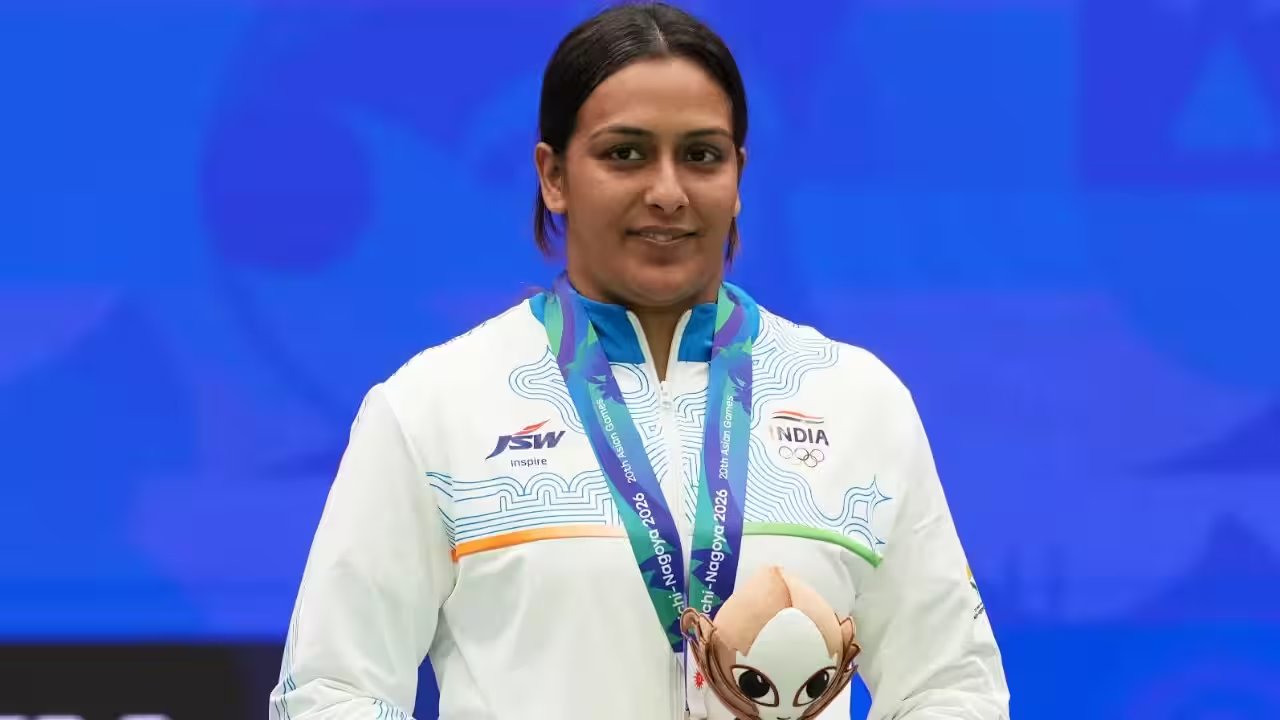
Eight years after a silver medal in Jakarta, Pincky Balhara is back on the Asian Games podium. But this time, the weight on her shoulders wasn't just the -78kg category limit. She took bronze in Kurash at the 2026 Aichi-Nagoya Games, a feat no other Indian has ever achieved in the sport. The victory isn't just a metal; it's a survival story etched in a grappling discipline that most Indians only now recognize by name.
The path to this bronze was paved with a 3-0 quarterfinal dismantling of South Korea's Garam Lim. That win locked in India's medal spot before Balhara even faced her next opponent. In the semis, South Korea's Sumin Mo proved too dominant, taking a 5-0 victory to send the Delhi athlete to the bronze-medal match. For Balhara, getting to that final bout was the victory. The result? India's first bronze in the higher weight category at these Games.
To understand why this matters, you have to look at the man who isn't there. Balhara started in judo at nine, coached by her uncle Samundar Tokas. When she missed the 2018 national judo squad, she pivoted to Kurash for its Asian Games debut. Then, weeks before Jakarta, her life crumbled. She lost her cousin, followed by her father who died of a heart attack, and then her grandfather. Three funerals in a span that broke most athletes. She trained at night, afraid of judgment, driven only by her father's dying wish for her to compete. He even predicted she'd win silver. She did.
Kurash is distinct from the grappling arts fans usually follow. Originating in Central Asia, it’s strictly standing. No ground fighting, no prolonged submissions. The goal is pure, explosive technique: throw your opponent onto their back while you stay upright. It’s fast, technical, and unforgiving. Balhara’s transition from judo, where ground game is half the battle, to Kurash’s pure standing warfare required a complete mental reset. Her 2018 silver was a debut miracle. This 2026 bronze is proof of longevity.