Air raid sirens wailed across northern border communities before the military pulled back the alarm. The Israel Defence Forces confirmed in an official statement that warnings blaring over the towns of Zar'it and Shomera were triggered by a false radar identification, ending immediate fears of an aerial breach from southern Lebanon. Panic spread swiftly through border settlements. Then the military clarified the error. Normalcy returned to northern air corridors within the hour.
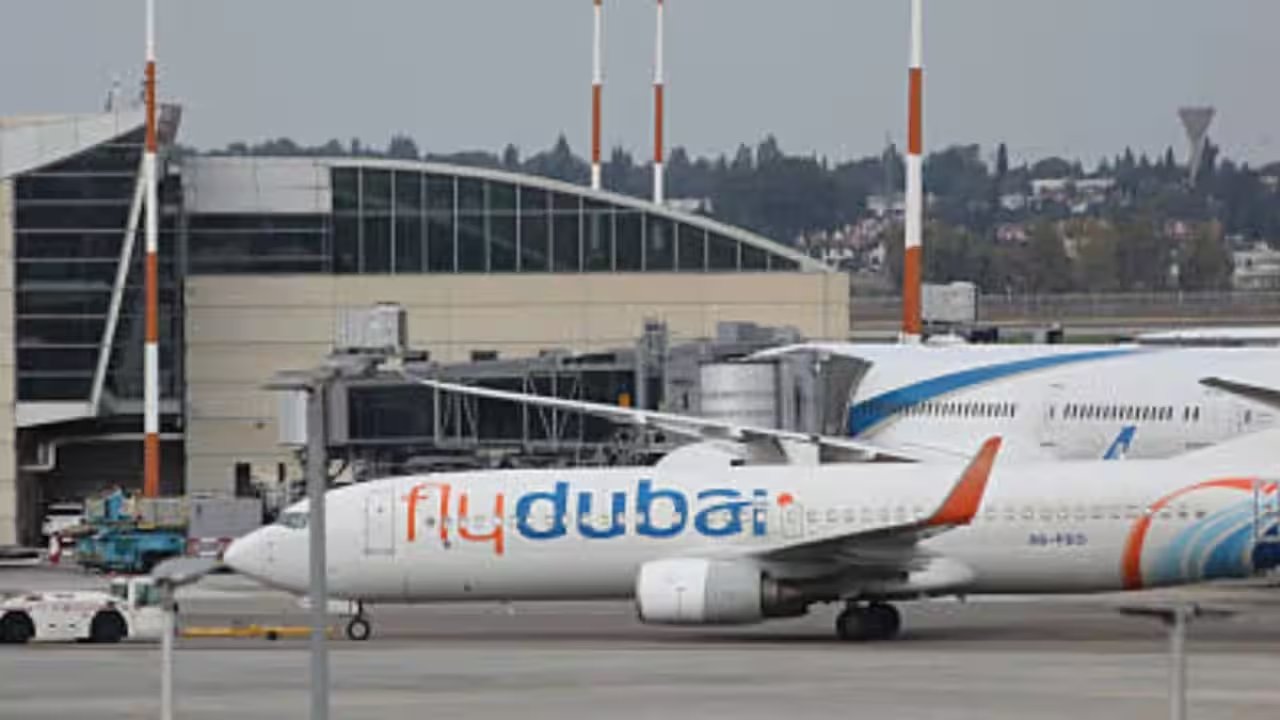
Border air defences remain on hair-trigger alert. That heightened posture stems directly from aviation tremors ignited on September 30 aboard flydubai Flight FZ1073 en route from Dubai to Tel Aviv. During that flight, Omani co-pilot Hamam al-Hammami launched a violent cockpit assault against Indian captain Smit Machchhar in a desperate attempt to seize control of the commercial airliner. Bloodied and injured, Machchhar fought his way to the door controls and unlocked the cockpit partition. Passengers, cabin crew, and two off-duty flydubai pilots travelling aboard the aircraft stormed the flight deck, overpowered al-Hammami, and pinned him down. Machchhar diverted the Boeing jet to Tabuk in Saudi Arabia, touching down without passenger casualties.
The rescue brought high-level state honours in the Gulf. UAE President Sheikh Mohamed bin Zayed Al Nahyan conferred the First Class Order of Zayed II upon Machchhar and his flight crew, with Dubai Crown Prince Sheikh Hamdan bin Mohammed bin Rashid Al Maktoum formally presenting the medals. Yet the near-catastrophe shattered regional security assumptions. Israeli aviation regulators responded by overhauling surveillance on every commercial carrier operating within sovereign airspace. Airlines must now transmit complete crew dossiers to Israeli authorities at least 48 hours before wheels leave the tarmac. Carriers face a second compliance checkpoint no later than two hours prior to departure, capped by a mandatory final crew manifest transmitted at exact takeoff. The protocol covers domestic and international carriers alike.
Beyond the airspace alerts, Israeli ground forces pushed deeper into southern Lebanon. Troops from the 188th Brigade of the 36th Division uncovered an arsenal of more than 340 Hezbollah weapons during cordon-and-search sweeps through the Beaufort Ridge and Litani River sectors. The military stated that the haul included rocket-propelled grenades, anti-tank guided missiles, mortar rounds, automatic firearms, high explosives, and crates of combat ammunition. Soldiers also breached a concealed seven-metre-deep tunnel shaft sunk into the foundation of a civilian home. Inside, troops found stockpiled medical supplies and subterranean living quarters designed for prolonged defensive warfare.
The 188th Brigade entered the southern Lebanon combat zone fresh off 20 straight months of active operations across the Gaza Strip, following focused tactical retraining before redeploying north. Military commands confirmed that border patrols and combat clearing operations across the Litani basin will continue uninterrupted throughout the weekend.