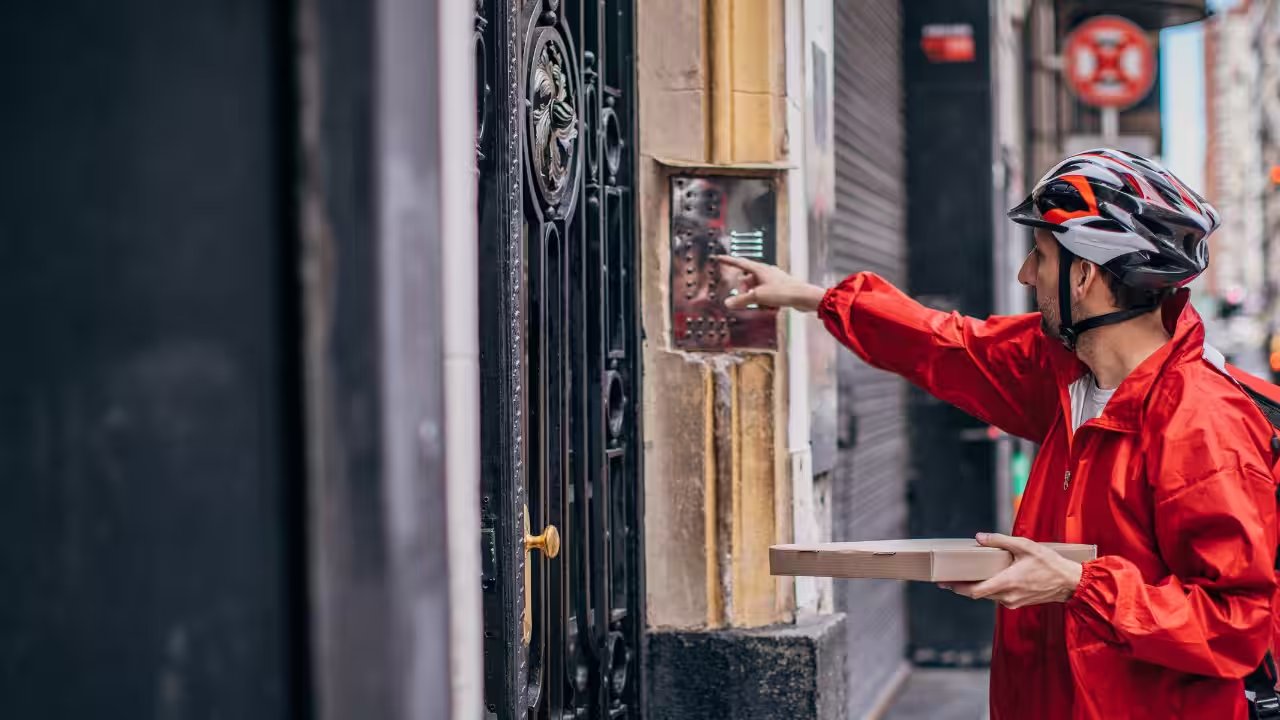
It started with a request for water. Ankit Pandey, an X user who regularly ordered from a specific delivery partner, noticed the man’s eyes were red and his demeanor was off on July 10, 2026. Instead of handing over the food and closing the door, Pandey invited him inside. The partner, who hadn’t eaten all day, broke down. His mother had fallen down the stairs that morning and was in the ICU in critical condition. The next train was 30 hours away—unacceptable for someone waiting on critical health news.
Pandey didn’t just offer sympathy; he acted. He searched for flights and found one for roughly ₹4,000. He booked it on the spot. The delivery partner, overwhelmed, admitted he had never been in an airport before. Pandey arranged for a friend to meet him there, ensuring he wasn’t lost in the terminals. It’s a tangible example of how a small pause can change the trajectory of a day. You don’t need to be a billionaire to be a savior. You just need to be present.
The best part? The money bounced back. The next day, the partner called to return the ₹4,000. Pandey refused, telling him to keep it for his mother’s medicines and hospital bills. The mother was pulled out of danger and expected to go home in a few days. This isn’t just a viral moment; it’s a reminder that kindness is often reactive. It happens when you see someone struggling and decide not to look away. It’s messy, it’s immediate, and it’s deeply human.
If this story hits home, try this: Next time a delivery person or service worker seems unusually stressed, ask one simple question. “Are you okay?” It costs nothing. It might save someone’s day, or even their life. Kindness isn’t about grand gestures; it’s about noticing the person at your door is having a hard day.