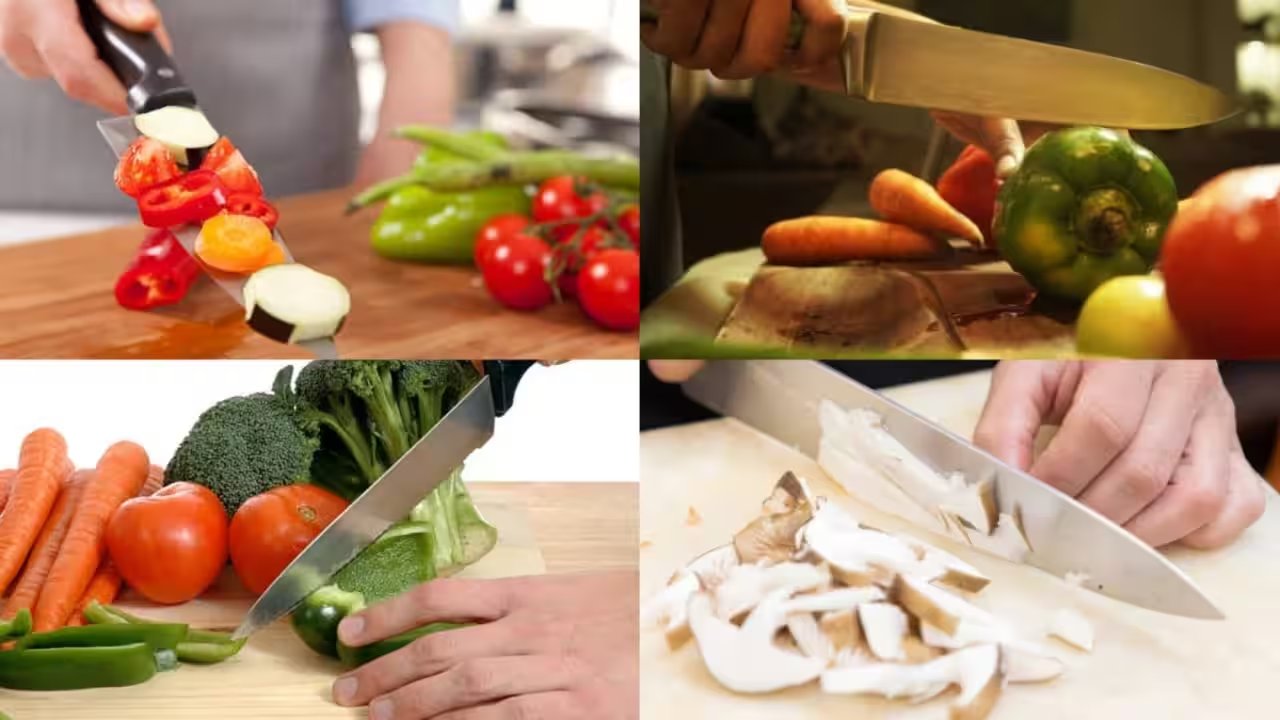
Sticking veggies are the bane of every home cook's day—there’s a reason why a potato slice will cling to the blade like a stubborn friend. The culprit? Surface tension, that invisible force that makes water bead on glass. When a wet slice meets a dry blade, the two wet surfaces cling, creating a tiny, annoying bond.
But you don’t need a fancy knife or a science degree to break that bond. Start by angling your cuts: let the blade glide at a 45‑degree angle instead of pressing straight down. Pair that with a steady, confident swipe, and you give the moisture a chance to run off before it can grip.
The real game‑changer is a splash of neutral cooking oil—olive oil works wonders because it’s light, cheap, and leaves no greasy residue. Wipe a thin layer on the blade before you start, and re‑apply after every few chops. It simply reduces the surface tension between the knife and the vegetable, letting the slice fall away on its own.
If you’re not a fan of oil, a quick rinse under running water does the trick too. A few drops of water on the blade after each cut will wash away the sticky film. Some chefs even use a damp paper towel to wipe the blade mid‑chop, but the oil method keeps the kitchen dry and saves you the extra step.
Don’t go hunting for a “non‑stick” knife just yet. Those little dimples on a Granton‑edge blade were originally meant to make the knife lighter, not to stop sticking. In practice, a sharp blade and a clean surface matter far more than a fancy design.
All you need is a sharp chef’s knife, a splash of olive oil, and a quick wipe‑and‑go habit. Keep the knife clean, cut at an angle, and watch the vegetables slide off like a well‑tuned dance partner. It’s a simple tweak that turns a dreaded chore into a breezy slice.
So next time you’re prepping a salad or a stir‑fry, grab a bottle of olive oil, coat your blade, and let the chopping magic begin. Trust me, your kitchen will thank you, and so will your time.