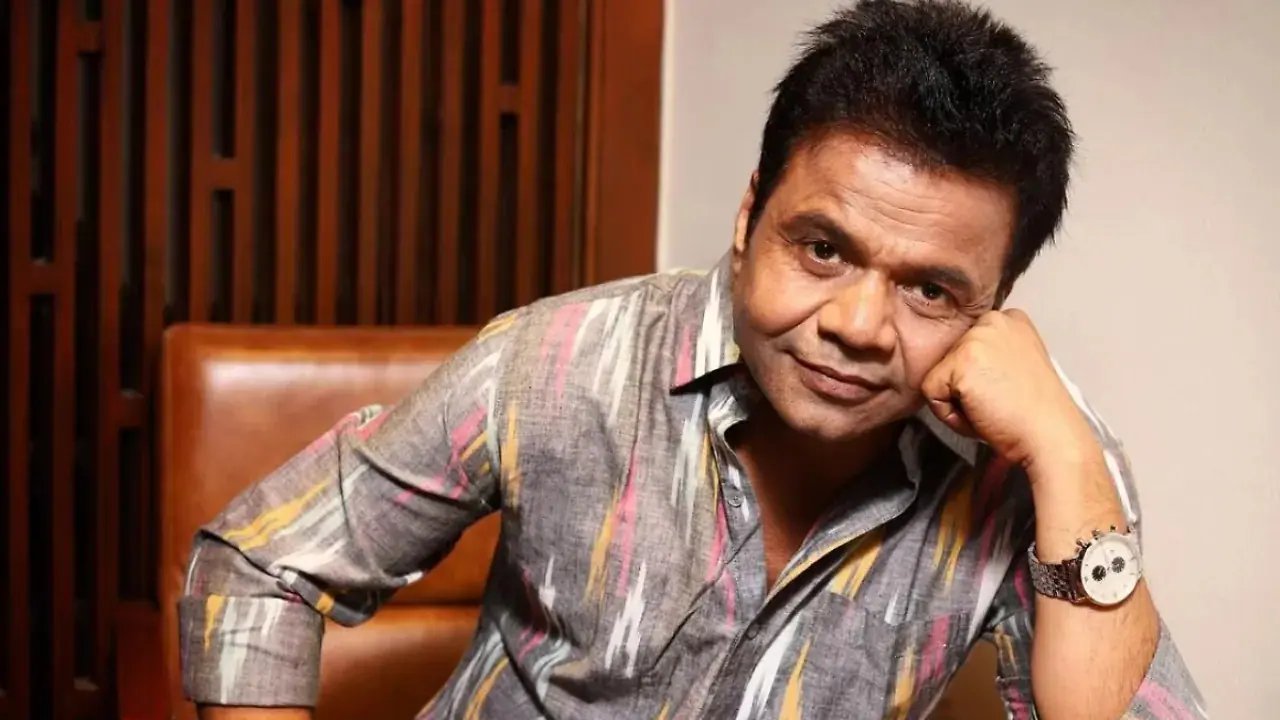
The drama begins with Rajpal Yadav, known for his comic timing, now playing the role of a man under judicial scrutiny. He’s being asked to deposit ₹2 crore after a series of bounced cheques tied to a short‑lived film project. The courtroom is less a comedy set and more a stage of legal gravity.
In a moment that felt like a scene from a courtroom thriller, Chief Justice Surya Kant pressed Yadav on how many projects he’s juggling. Yadav’s answer—250 films in 16 years—stood in stark contrast to the ₹5 crore that turned into a ₹250‑crore hole. The judge’s retort was simple: “Make a good film,” a line that might have sounded like a director’s pep talk rather than a judicial rebuke.
Yadav’s lawyer, PS Patwalia, tried to smooth things over by revealing that the actor had already deposited ₹1.15 crore and was lining up an additional ₹85 lakh via RTGS by Monday. The plan hinges on a property sale that’s stalled by religious timing, illustrating how personal finance and cultural rituals can collide on the screen of reality.
The Delhi High Court had earlier handed Yadav a three‑month jail term for each of the seven bounced cheques, a verdict that looked more like a punitive subplot than a plot twist. The Supreme Court’s latest ruling gives him a single day to clear the rest, threatening a fresh chapter of legal drama if he fails again.
Fans might be shocked that behind the laughter, a filmmaker’s dream can crumble so fast. Yadav’s case, now a headline, reminds us that a star’s on‑screen charm doesn’t shield him from the rigors of financial accountability. The verdict will set a precedent for the next time an actor crosses the line between glamour and legality.
The next scene? The court will decide whether the actor’s next film can get a release, or if the legal plot will keep him in the courtroom. The story is still in production, with a deadline looming on Monday.