Washington pulled the plug on its diplomatic presence in Riyadh, ordering all non-emergency US government employees and their families to depart Saudi Arabia immediately. State Department spokesman Tommy Pigott confirmed the order on X, citing the 'safety and security' of personnel as the highest priority. He clarified the directive applied strictly to Saudi Arabia, though earlier reports from a diplomatic source to AFP suggested a broader evacuation might have been considered for staff in the UAE, Jordan, Qatar, and Bahrain.
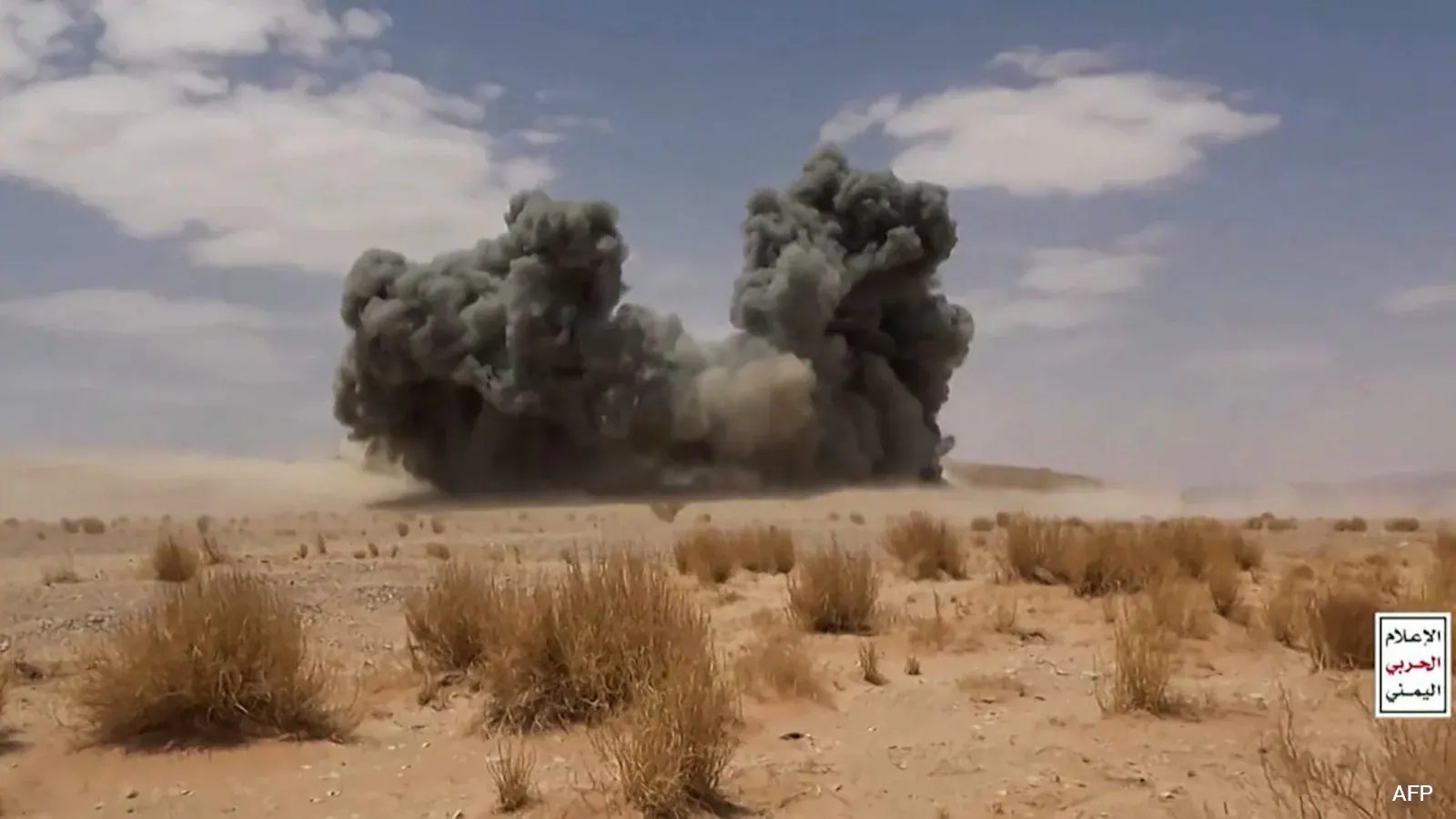
The trigger was clear. The Iran-backed Houthis have launched near-daily attacks on the Gulf kingdom this month, targeting critical infrastructure. On Wednesday, the Saudi energy ministry announced that falling debris from an intercepted drone struck the Shaybah oil field near the UAE border. The impact killed two workers—a Filipino and a Nepali—and injured two others. The ministry did not officially attribute the drone to the Houthis, but the pattern is unmistakable.
This isn't the first time Washington has scrambled its assets in the region. The US previously ordered non-essential staff out of the Gulf before the war against Iran began in late February and again in July. Each time, the evacuation signaled a spike in kinetic threats. Now, with the four-year Yemen truce collapsed since June, the Saudi-led coalition reported intercepting six more drones earlier on Wednesday, highlighting the relentless pressure on the kingdom's air defenses.
Meanwhile, the broader regional flashpoint remains the Strait of Hormuz. Iranian state media reported explosions in the Karpan area of Hormozgan province late Wednesday, breaking a brief period of relative calm. The US imposed a counterblockade on Iranian ports after Tehran attempted to blockade the waterway, which carries roughly one-fifth of the world's oil supply. With the Supreme Leader killed in the initial strikes, the conflict has entered a chaotic, high-stakes phase where miscalculation could ignite a wider war.