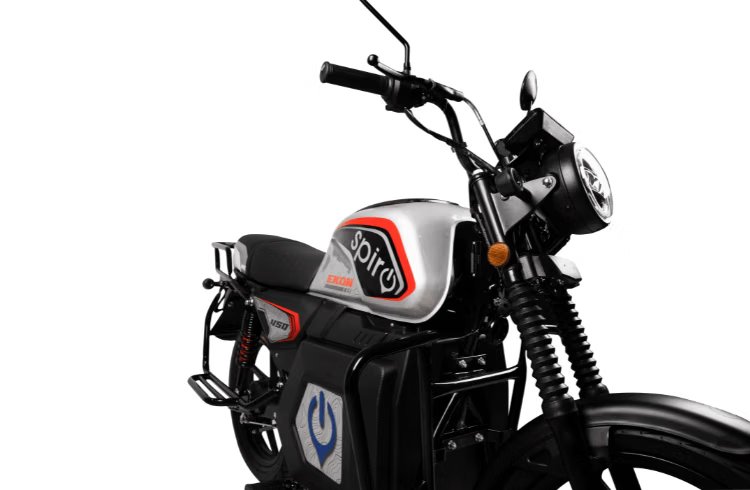
The money isn't going into R&D or marketing fluff. It's going directly into hardware. Spiro is deploying the fresh $18 million to buy more electric two-wheelers and build out the physical infrastructure needed to keep them running. For a market where range anxiety is the biggest killer of EV adoption, this means more bikes on the road and more places to swap batteries in under a minute. It’s a pragmatic move. You don’t sell the bike if you can’t support the charge.
This isn't the first check. Back in December 2025, Africa Go Green Fund already put down an initial $18 million, with Nithio adding another $7 million. Now, the fund has doubled down. That’s a total of $36 million committed to the venture. The focus is laser-guided: Uganda and Rwanda. While Kenya already hosts higher-capacity 'mega' swap stations for commercial riders, the new capital targets the untapped potential in its neighbors. It’s a strategic bet that the East African market is ready for scale, not just pilots.
For the rider, this translates to reliability. Spiro’s model relies on a dense network of swap stations. If the network is sparse, the bike is useless. By expanding in Uganda and Rwanda, they are removing the friction from the ownership experience. Anant Badjatya, Group CEO, called it a chance to "accelerate execution" in these two markets. Gagan Gupta, the founder, framed the fund’s decision as a "powerful vote of confidence." In plain English: the investors believe the unit economics work, and now they’re scaling it up. If you’re an operator or a rider in Kampala or Kigali, expect the availability of e-bikes and swap points to jump significantly in the coming months.