Kosovo is set to remove the Mirusha Dam, a 9-metre reinforced-concrete structure built without permits in 2009, between September 2026 and January 2027. The demolition will reopen 35 kilometres of the river, with total habitat restoration reaching 113 kilometres when tributaries are included. This marks the country’s first formal dam removal, targeting a structure that no longer generates power, supplies water, or irrigates fields.
The barrier, constructed by the Municipality of Malisheva, has long been a liability. Technical investigations revealed cracks and damaged spillway elements, forcing partial openings during the January 2026 floods to relieve pressure. Stagnant water upstream has allowed untreated wastewater and organic pollution to accumulate, degrading the river’s ecological condition. The project documentation cites these safety risks and habitat fragmentation as primary drivers for complete removal.
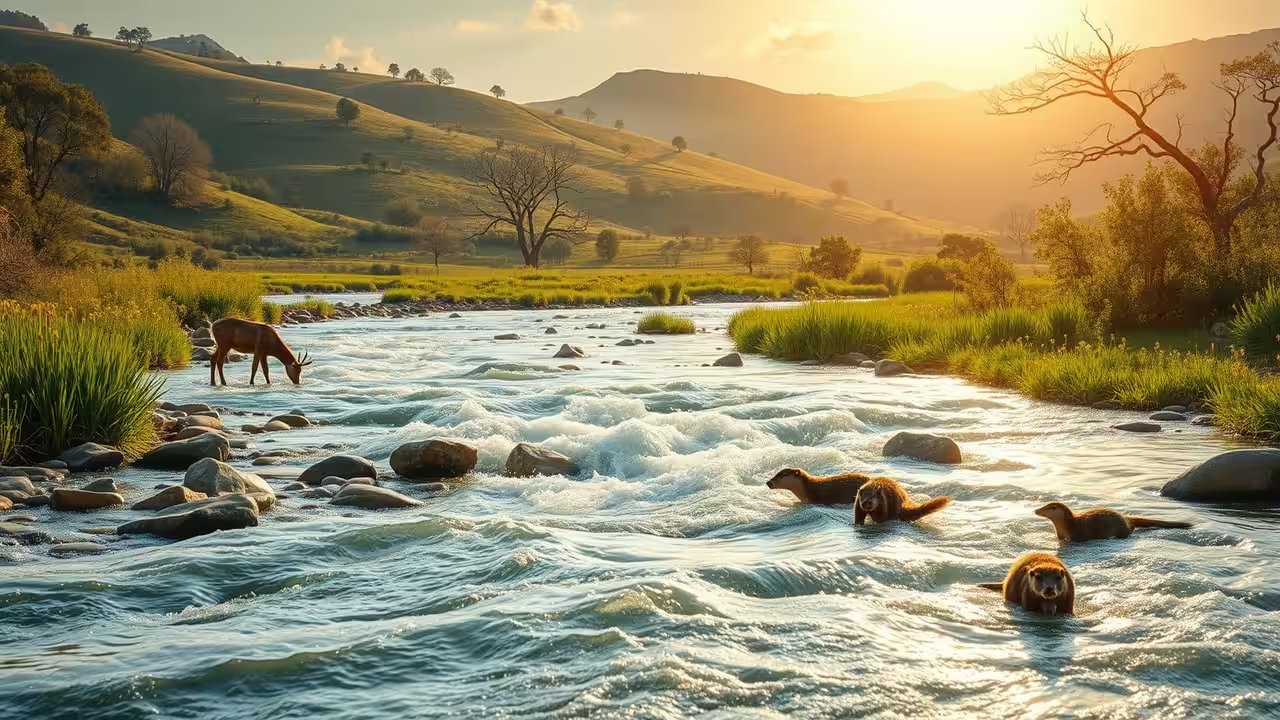
Ecological stakes are high. Surveys funded by the Open Rivers Programme and local organisation Ecopana recorded 157 animal species in the river, including 83 aquatic species. Notably, researchers recently described Eratigena mirusha, a spider species new to science, as endemic to this specific biodiversity hotspot. The dam’s removal aims to restore natural sediment transport and allow fish like the Near Threatened Albanian roach to move freely through previously blocked habitat.
Monitoring will track water quality, fish communities, and river morphology before, during, and after the demolition. The project distinguishes these intended outcomes from current conditions, emphasizing that ecological benefits are projections of the restoration intervention. As the first of its kind in the region, the Mirusha project offers a concrete model for reconnecting fragmented ecosystems across Europe.
Work is scheduled to begin in September 2026. The Open Rivers Programme and Ecopana will oversee the dismantling, with a focus on verifying the return of natural flow regimes. Local stakeholders await the final structural clearance as the region prepares for a significant shift in river management.