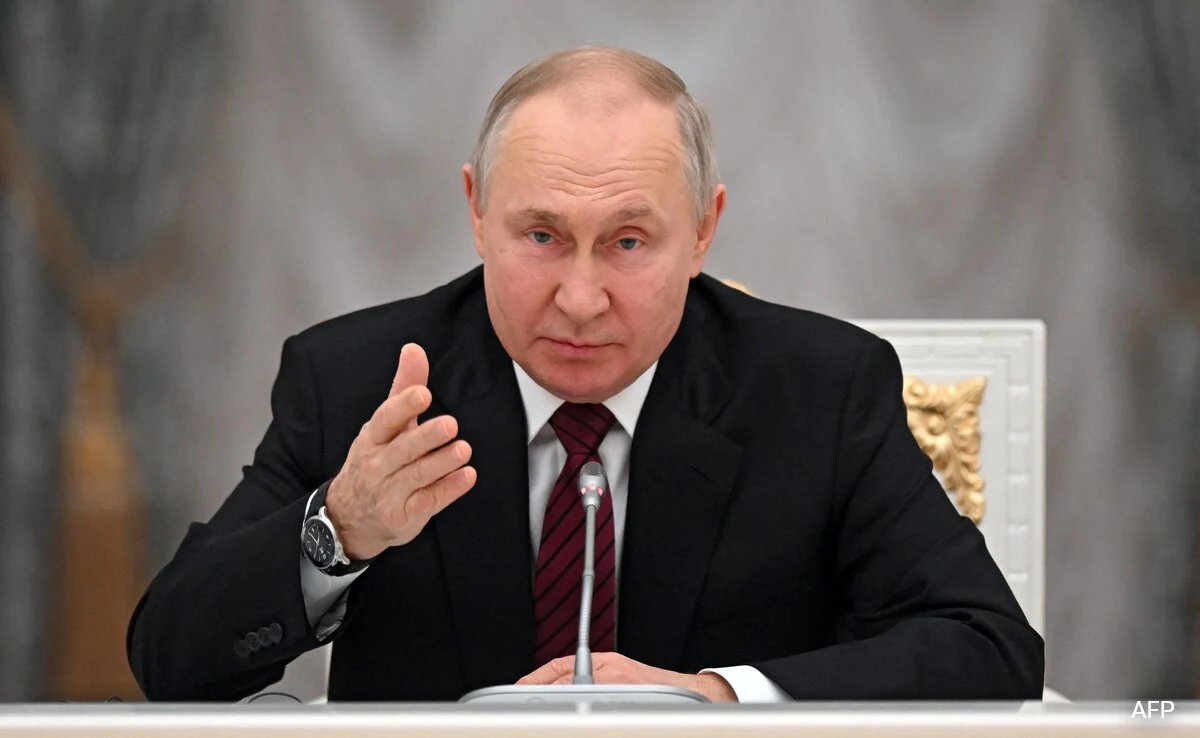
Stubb and Store launched a 90‑minute conversation with Putin on Tuesday, aiming to end the conflict that began with Russia’s February 2022 invasion of Ukraine. The call followed a meeting in Oslo on October 20, where Stubb, Store, Zelensky and U.S. envoy Steve Witkoff sat together, and after Witkoff travelled to Saint Petersburg to meet Putin.
But the conversation was far from a joint European stance, the Nordic leaders stressed. "We are representing our own countries," Stubb said, while Store added that Europe must be able to talk to Russia, not just the United States.
Kremlin officials said Putin blamed the EU’s and NATO’s confrontational policy for prolonging the war, and the three leaders agreed to maintain direct telephone contact. The statement, released by the Russian Foreign Ministry, framed the call as a step toward de‑escalation, though the tone remained tense.
Zelensky spoke to Stubb and Store after the Oslo meeting, urging that the Nordic initiative be coordinated with the rest of Europe. Danish Prime Minister Mette Frederiksen criticized the unilateral move, calling it "sceptical" and warning that it could fracture European diplomatic cohesion.
Amid these talks, U.S.‑Ukraine tensions have flared again after former President Donald Trump’s son‑in‑law Jared Kushner, and Trump himself, temporarily lifted sanctions on Russia to ease fuel costs. Zelensky’s administration cautioned that such moves undermine collective sanctions and could embolden Moscow.
Finland and Norway, both NATO members sharing borders with Russia, reaffirmed their support for Ukraine, pledging to continue diplomatic efforts and military aid. The next step, according to Stubb, is to keep the lines of communication open, a strategy that may serve as a backbone for future multilateral negotiations.
The European Union is expected to respond to the Nordic initiative in the coming days, as Brussels weighs how to balance its own diplomatic engagement with Russia against the calls for coordinated action.