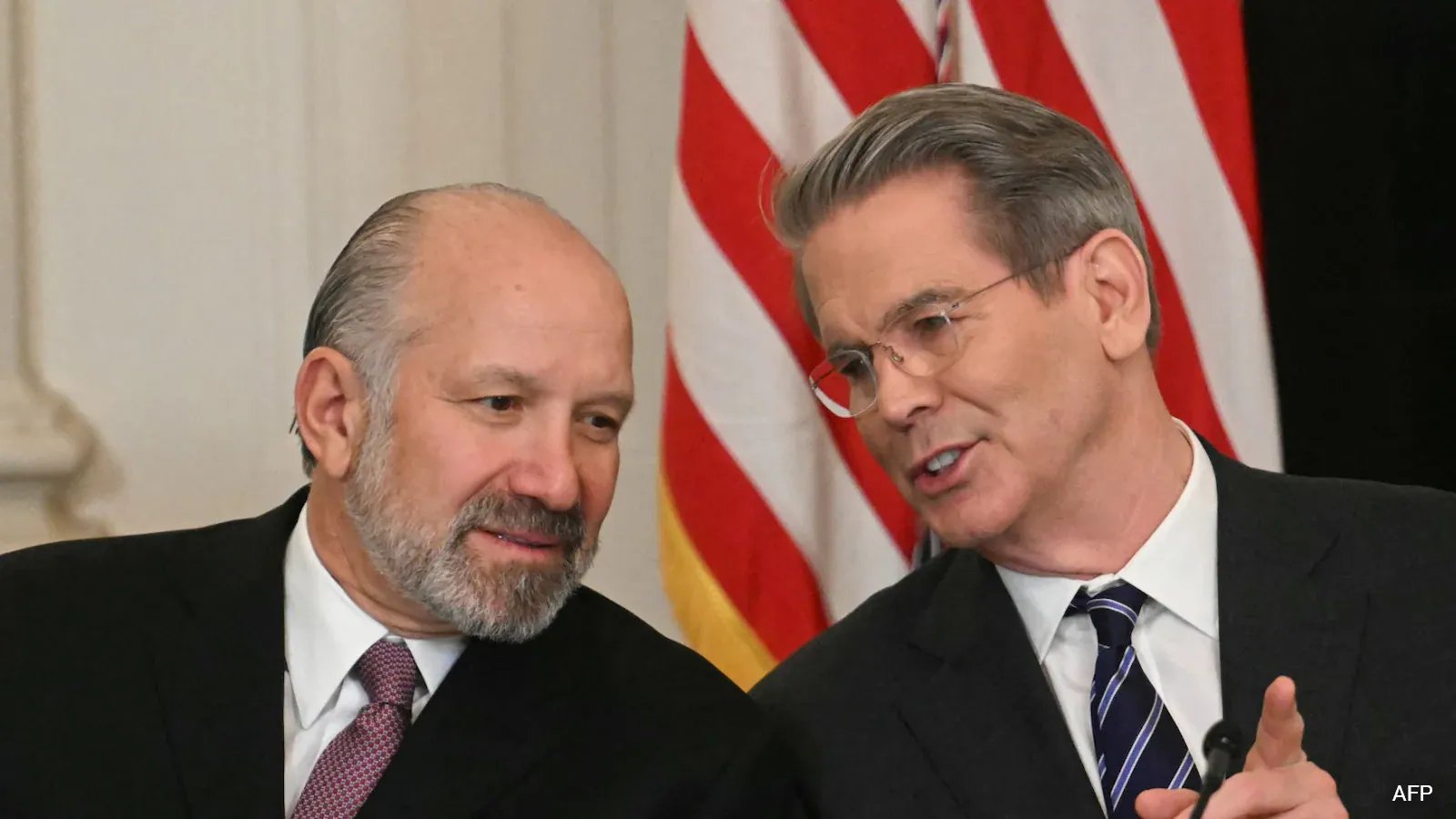
WASHINGTON — Treasury Secretary Scott Bessent openly broke ranks with the Commerce Department on Friday, accusing the agency of dragging its feet on trade blacklists while a Singaporean front company funneled more than $4 billion in restricted artificial intelligence processors to China.
Bessent confirmed that the Treasury, the Pentagon, the State Department, and the Office of the US Trade Representative pushed for months to cut off Megaspeed from American technology. The Commerce Department stalled.
"Commerce has the pen," Bessent said. "You will have to ask them about their internal processes."
The blunt public assault laid bare an escalating turf war inside the Trump administration over who failed to enforce export controls against Beijing. It also deepened the crisis surrounding Silicon Valley's most valuable chipmaker, coming just 24 hours after Nvidia Chief Executive Jensen Huang stepped down.
Federal investigators uncovered a massive bypass operation engineered through Southeast Asia. Megaspeed bought top-tier Nvidia processors under the pretext of outfitting regional data centres. Then it moved them across Chinese borders.
Beijing snapped up the hardware. The transactions exceeded $4 billion across two years, circumventing strict American export curbs designed to choke off China's military artificial intelligence buildout.
President Donald Trump had drawn a strict perimeter. China, Trump ordered, must not receive any Nvidia silicon surpassing the compute thresholds of the H100 processor. The Singapore pipeline obliterated that firewall.
"Any leakage is very frustrating because it hurts our great companies, and in the AI race gives the Chinese an advantage," Bessent said.
The geopolitical breach turned personal and explosive this week. Investigators linked Megaspeed's former director, Alice Huang, to Chinese state intelligence operations. Reports exposed an extramarital relationship between her and Nvidia's billionaire chief executive. China denied all espionage allegations, but the damage landed instantly in Silicon Valley.
Jensen Huang sent a letter to Nvidia personnel on November 8 admitting to an extramarital affair, though he withheld the partner's name. By Thursday, he was out.
The story thus far has been on Jensen Huang's personal foibles. The real story here should be: Did Nvidia know their client, and was there a robust effort at Nvidia to make sure that there was no leakage.
Scott Bessent, US Treasury Secretary
Bessent dismissed attempts to frame the debacle as a private boardroom soap opera. Instead, he zeroed in on corporate compliance failures, questioning whether Nvidia knowingly sold flagship processors to middlemen fronting for Chinese state buyers.
The Treasury chief warned that executive suites will not escape scrutiny. Nvidia, he charged, routed shipments through "what were obviously pass-through shell companies."
"I think it's important that anyone at the company there be held accountable for that," Bessent said.
| Investigation Parameter | Official Details |
|---|---|
| Primary Entity Under Scrutiny | Megaspeed (Singapore-based data centre firm) |
| Alleged Volume Diverted | Exceeding $4 billion over 24 months |
| Restricted Benchmark Silicon | Nvidia microchips exceeding H100 capabilities |
| Inter-Agency Consensus | Treasury, Pentagon, USTR, State backed trade blacklist |
| Agency Holding Enforcement Authority | US Department of Commerce |
| Primary Corporate Casualty | Nvidia CEO Jensen Huang (Resigned) |
Nvidia's board of directors has launched an internal inquiry into sales operations, client vetting procedures, and third-party vendor conduits across Southeast Asia.
Accountability now moves to Capitol Hill. Three congressional committee chairs have officially summoned Huang to appear for a closed-door deposition on November 18, where lawmakers will press the ousted executive on whether Silicon Valley ignored clear evasion schemes to chase record enterprise revenue.
| Next Formal Regulatory Action | US Congressional closed-door testimony |