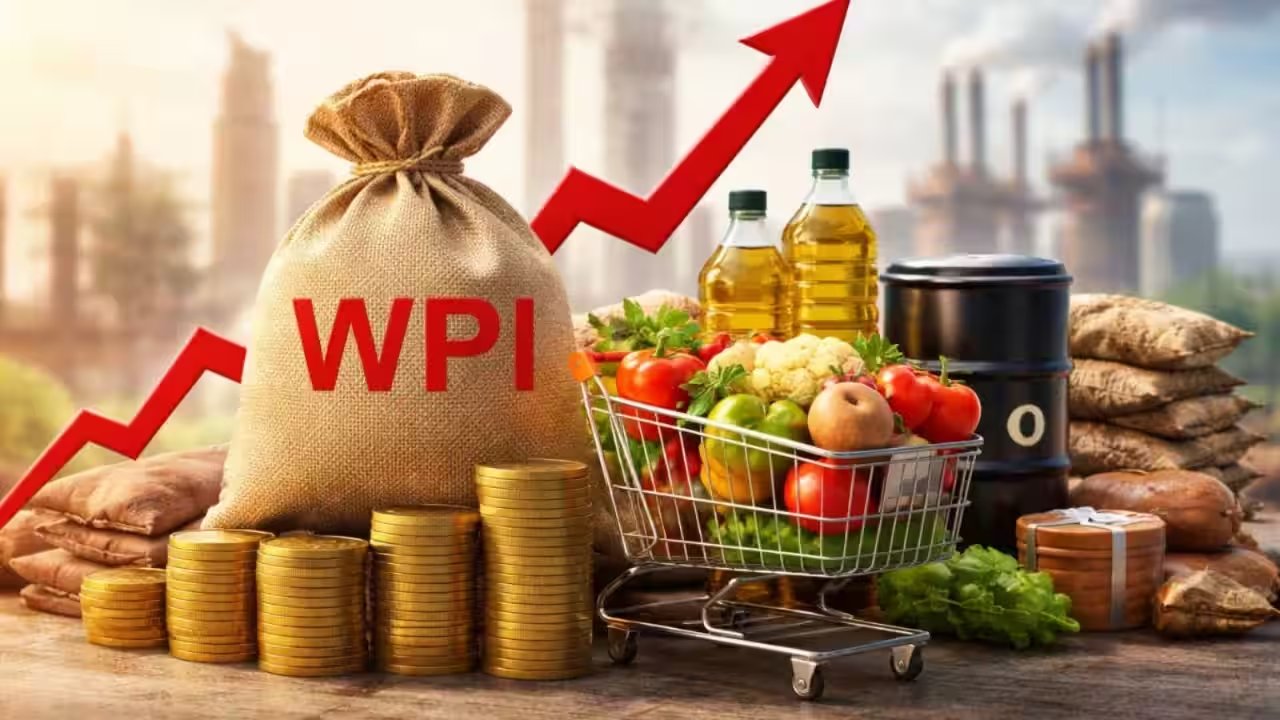
The Ministry of Statistics and Programme Implementation released the latest WPI figures on Wednesday, highlighting a steep climb in food, fuel and manufactured goods prices. Food inflation rose to 8.66%, while manufactured items hit a series high of 9.76%. Fuel and power costs surged to 25.85% from 22.93%. The spike reflects global commodity shocks from the West Asia war, as the Strait of Hormuz blockade has pushed crude oil and fertilizer prices higher.
ICRA’s Rahul Agrawal said the global commodity surge is pushing WPI to a series high, warning that food prices such as cereals, pulses and vegetables are surging. He forecast WPI inflation could reach 12% in October, citing persistent energy costs and adverse base effects. Barclays researchers added that elevated energy and metal prices could further accelerate wholesale and producer price inflation. PHDCCI’s Ranjeet Mehta warned that sustained high wholesale prices could squeeze corporate margins, raise working‑capital needs and delay investment.
Meanwhile, the Reserve Bank of India lifted its policy rate to 5.50% after the CPI‑based retail inflation hit a 23‑month high of 5.54%. Bank of Baroda’s Madan Sabnavis noted that the transmission of higher wholesale prices to consumers is still uncertain, though durable and auto sectors have already raised prices. DBS Bank’s Radhika Rao projected that the RBI may keep a further hike on the agenda for December, depending on inflation trends.
For traders in Delhi’s Chandni Chowk, the spike in wholesale costs has already tightened margins, forcing them to cut back on discretionary purchases.
The RBI will convene its Monetary Policy Committee next week to decide whether to raise rates further, while analysts monitor October WPI data for signs of a continued upward drift.