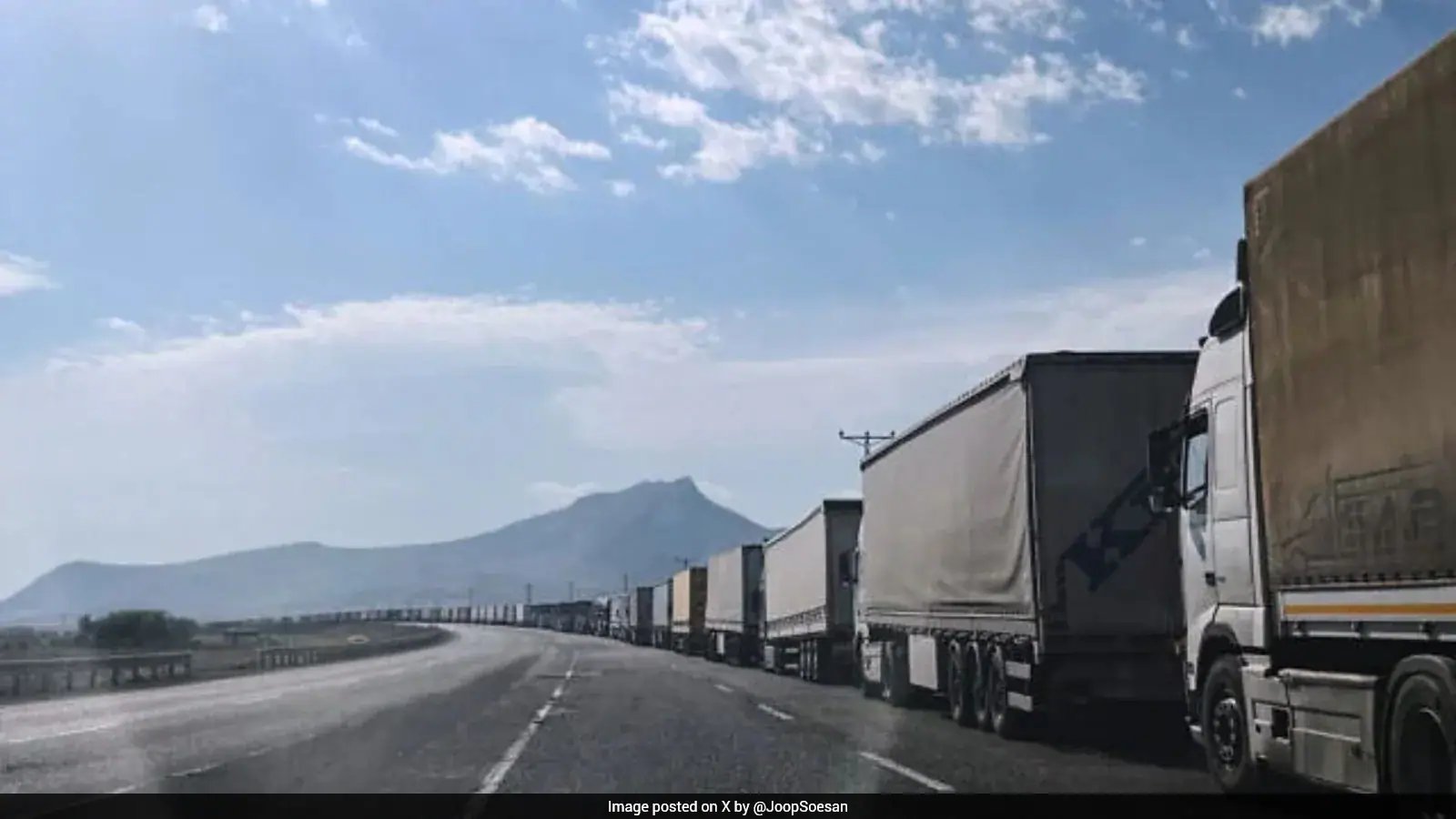
At the Gurbulak checkpoint, drivers now wait up to 25 days, a jump from the typical three‑day delay.
President Masoud Pezeshkian blamed the U.S. naval blockade for crippling overland commerce and urged Tehran to press Washington to lift restrictions. "We will not allow the blockade to dictate our destiny," he said to the press.
Statistical data from the International Transporters Association shows that the daily truck flow has surged from an average of 200 to 1,200 vehicles, straining customs and transport infrastructure. "The border can handle only a fraction of that volume," said Amir Roshanbakhsh Ghanbari, deputy head of Iran’s trade promotion agency.
Truckers like Akbar Sadigi from Tabriz report that waiting times have cut their earnings in half, while fuel prices in Iran have risen 25 percent in the last six months. "We can’t afford to keep waiting," Sadigi told AP reporters.
Turkish officials, speaking anonymously, confirmed that roadworks are underway to add two extra lanes at the crossing, part of a three‑year infrastructure plan. The Ministry of Transport said the expansion could reduce wait times by up to 30 percent once completed.
The blockade’s economic ripple has prompted both sides to seek a diplomatic solution. Tehran has called for a formal meeting with Washington, while Ankara may host a trilateral summit to address border logistics. The next week will see the first round of talks slated for the United Nations General Assembly in New York.