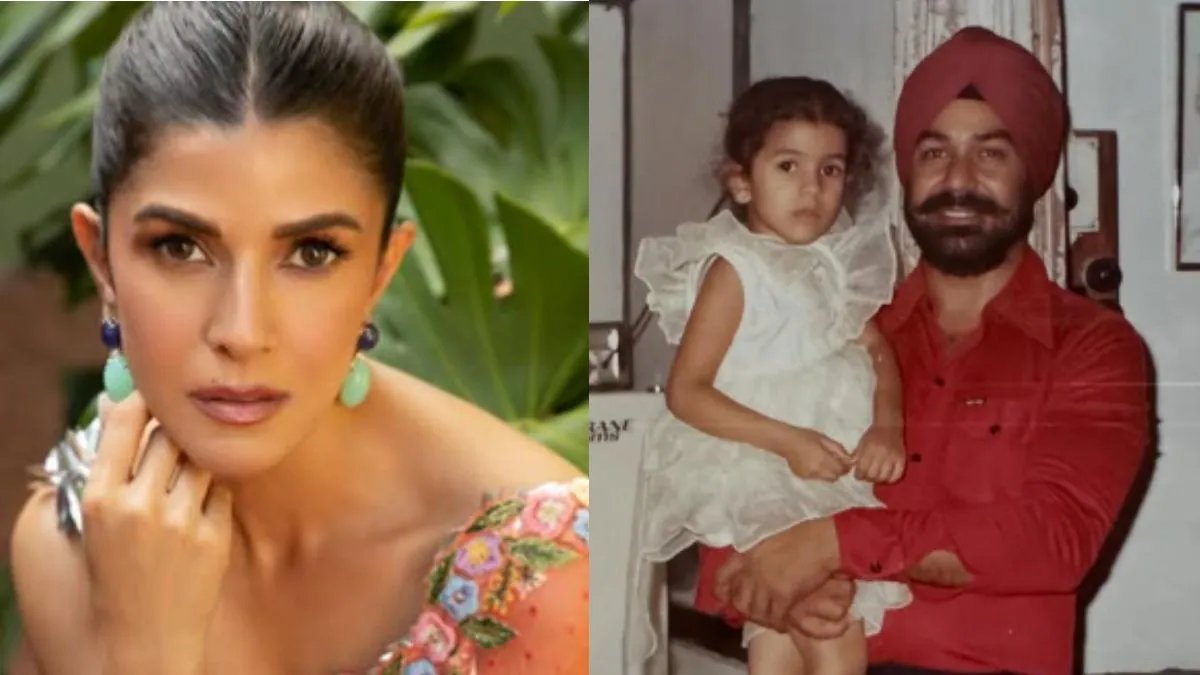
Nimrat Kaur, star of The Family Man 3, has just shared a haunting memory—one that feels like a scene ripped straight from a war‑drama, yet it is her truth. She opens with the image of a young girl watching her father leave for duty, only to later hear his name in a telegram of death, a narrative that echoes the heartbreak of countless families caught in conflict.
The attack, staged by militants masquerading as soldiers, unfolded on a routine workday in 1994. Nimrat, then 11, recalls her father’s disappearance and the maddening seven‑day standoff where terrorists pressed absurd demands—requests for the release of Indian prisoners that spiralled into a bureaucratic nightmare. Finally, on the seventh day, the news arrived that he had been assassinated, leaving a void that would never close.
When Nimrat talks about her mother, she paints a portrait of quiet resilience. She says her mother, a young widow at the time, single‑handedly raised her and her sister, teaching them to carry grief on their shoulders yet never letting it break them. Her Instagram tribute this year marked the 32‑year anniversary with a poetic caption: “Forever grateful to the Indian Army…his sacrifice, courage, values and grit live on in the memories of his brother soldiers and us all.”
For fans, this story is more than a back‑story; it’s a lens through which to view Nimrat’s intense portrayals. In The Family Man 3, her portrayal of a woman juggling a dangerous career and family life feels deeper when you know she has lived the loss of a father in a conflict zone. As she continues to take on roles that demand emotional gravity, her audience can expect a performance that is both ferocious and tender, a reminder that the most powerful cinema often springs from real‑world wounds.