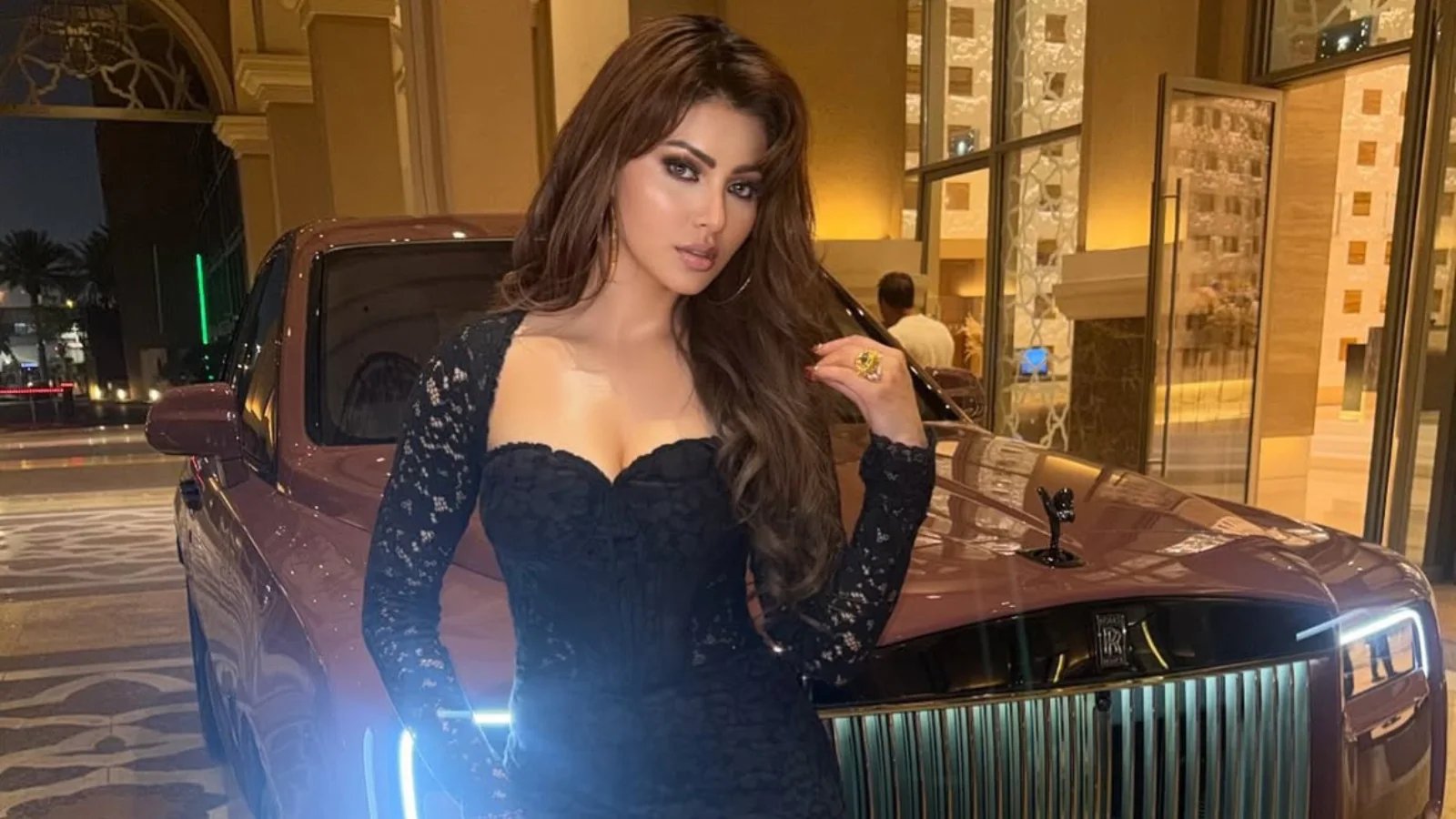
Urvashi Rautela just hit a legal gun on Los Angeles‑based AI juggernaut Bollywood.AI. The actress, who has carved a niche in Hindi cinema, is demanding ₹7,000 crore in damages after the firm allegedly ran her images and videos— and her name— into the AI‑powered market without a single line of consent. Sheeraz Hasan, the company’s founder, fired back on Instagram, telling the star she should “learn about artificial intelligence” before she swings her legal bat. The exchange has already begun to echo across social media circles, turning a trademark dispute into a meme‑filled spectacle.
The lawsuit hinges on the claim that Bollywood.AI has generated billions of dollars in value by exploiting Urvashi’s likeness in its AI models. The company’s flagship product, Hollywood.AI, offers personalized digital avatars, but the actress’s team insists the brand was built on her image without permission. The damage estimate of ₹7,000 crore equates to roughly $870 million, a figure that has spurred debate about the true cost of AI‑generated content in Bollywood. In a statement, Urvashi’s Instagram post read, “Build your brand… but keep my name out of your business unless you have permission.”
The dispute erupted after a viral interview where Urvashi candidly talked about AI's influence on Bollywood while reaffirming her love for the Hindi film industry. In the clip, she urged her fans to keep an eye on how AI could reshape storytelling, even as she warned against its misuse. The interview was shared more than 1.5 million times, instantly catapulting the actress into the tech‑policy debate. It’s a reminder that even on set, a star’s image is now a commodity in a data‑driven world.
Sheeraz Hasan’s retort is a textbook pitch: “AI can make movies, short vertical shows, digital characters that speak many languages and work at any time.” He sees AI as a tool for expanding Bollywood’s reach, not a threat. Yet the actor’s counter‑argument is that the industry must set boundaries before the technology erodes personal rights. The clash spotlights a broader conversation about how AI will coexist with creative ownership in the age of digital replication.
Lawyers are already drafting the next phase of the case, with a hearing slated for late next month. If the court sides with Urvashi, it could set a precedent for how AI firms handle celebrity likenesses and set a price tag on unauthorized content. For Bollywood, it’s a warning sign that the next wave of tech innovation will come with a hefty legal bill. The courtroom drama is just beginning, and the industry watches the verdict with bated breath.