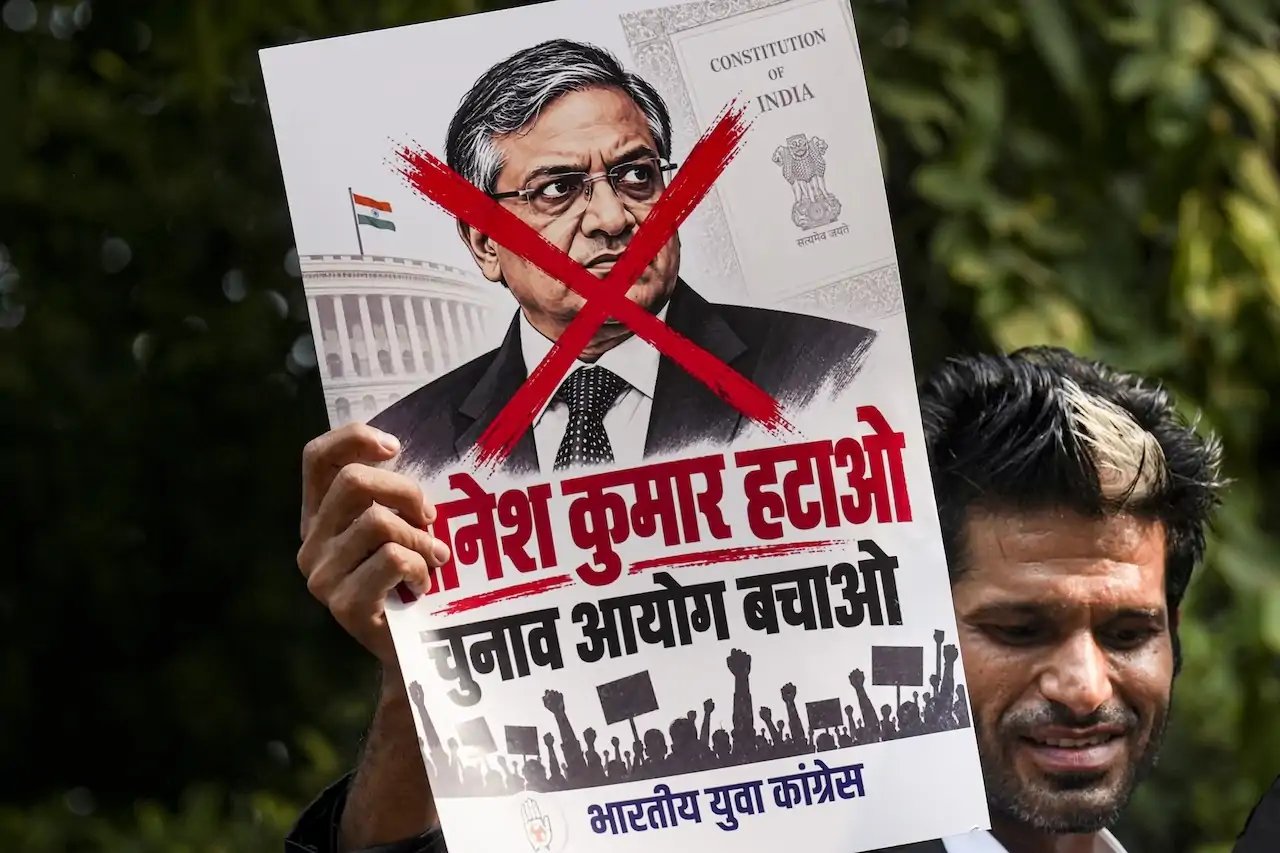
The Special Intensive Revision (SIR) has already struck 13 crore names off India’s voter rolls, wiping out 91 lakh names in West Bengal alone and issuing 33 lakh notices in Delhi, while Goa cleared 97 voters that the software could not record.
The two commissioners recorded 14 objections in ten months, four of them filed on a single day, citing orders issued without Commission approval, the need to amend Form 6 to verify grandparents’ names, and the centralisation of the voter database that cut their oversight.
Rahul Gandhi branded the alleged vote theft as treason, Mamata Banerjee demanded the CEC’s arrest and fresh assembly elections in West Bengal, and K.C. Venugopal called Gyanesh Kumar the “Chief Architect” of “Vote Chori”, all urging a Supreme Court‑monitored inquiry.
Section 16 of the 2023 Election Commission law shields the CEC from civil or criminal suits for actions in the line of duty, a protection that the Supreme Court has already challenged in a petition arguing it violates constitutional limits.
The Election Commission defends itself by insisting that it functions as a multi‑member body, that written notes and internal checks are routine, and that any concerns raised are part of standard administrative practice aimed at safeguarding voter rights.
The opposition’s next move is to table a motion in the Rajya Sabha that requires 50 MPs’ signatures to trigger a hearing, while the Supreme Court is expected to hold a hearing on the petition challenging the CEC’s immunity later this month.