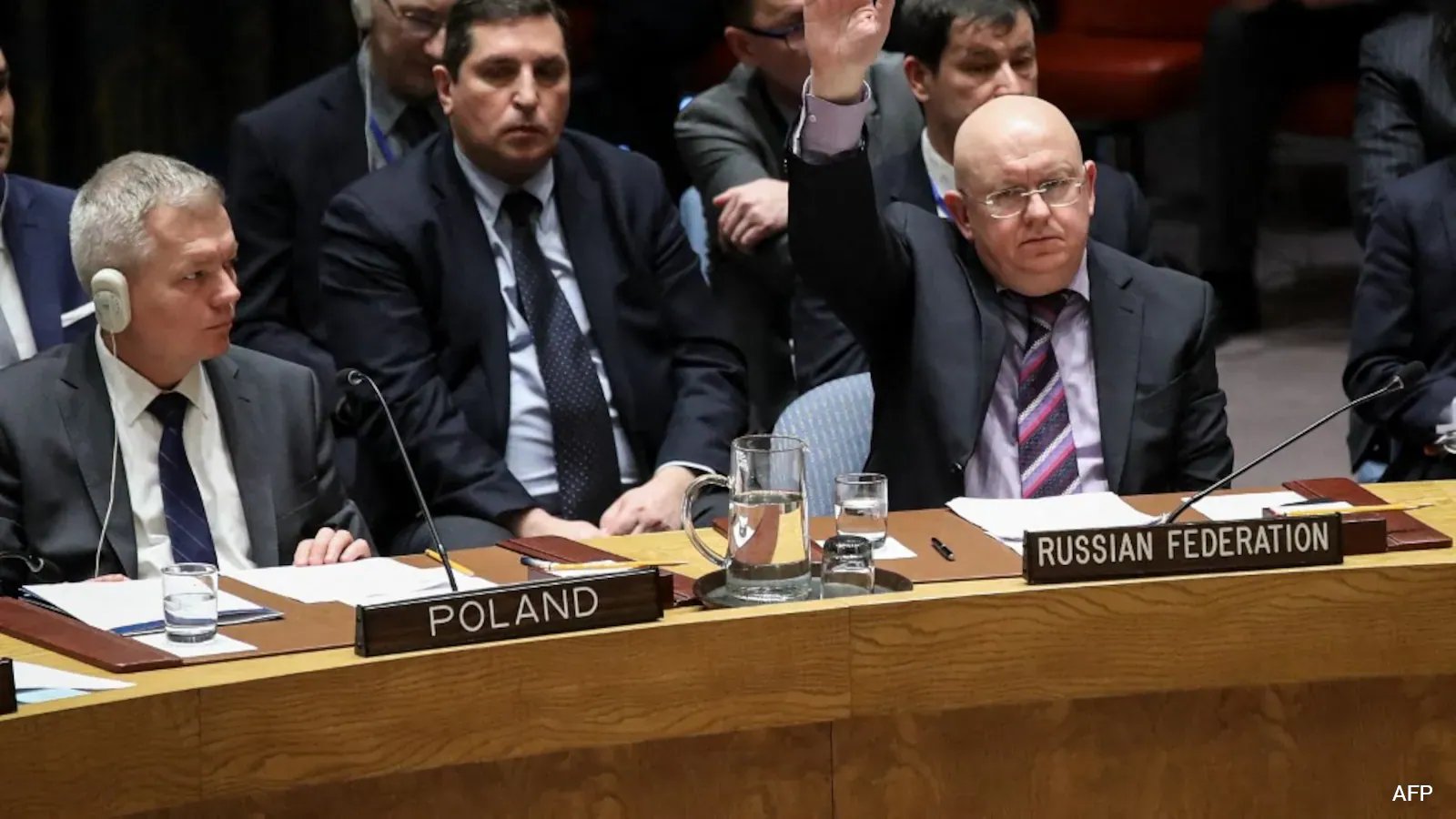
Russia and China vetoed a United Nations resolution on Thursday, September 28, 2026, to extend the mandate of a UN expert panel that monitors sanctions reimposed on Iran via the snapback mechanism on September 27, 2025. The vote was 11‑2, with Somalia and Pakistan abstaining, and it prevented the panel from operating for another year.
The sanctions freeze Iranian assets abroad, halt arms deals, and penalize ballistic‑missile development, all under the 2015 nuclear deal framework. The snapback provision allowed the Security Council to re‑impose sanctions without new negotiations, a move that both Russia and China condemned as illegal.
US Deputy Ambassador Jennifer Locetta said the panel would have “shined the light” on prohibited cooperation between Iran and its partners, and that the vetoes were part of a larger effort to stifle reporting that implicates allies in rogue regime support. Russian Ambassador Vassily Nebenzia echoed this, calling the snapback illegal and the extension proposal “deeply flawed.”
The absence of an independent monitoring body has left a vacuum, especially after Israel and the United States struck Iran’s nuclear sites in June 2025, preventing UN inspectors from verifying the 440.9‑kg stockpile of 60% enriched uranium that sits just 30% away from weapons‑grade levels. Without the panel, the Security Council loses its principal source of impartial, evidence‑based reporting on sanctions violations.
With the panel’s mandate not renewed, the sanctions remain in force but lack the oversight needed to deter violations. The United Nations will need to consider whether to re‑establish a monitoring team before the current mandate lapses, while the United States continues to push for tighter isolation of Tehran.