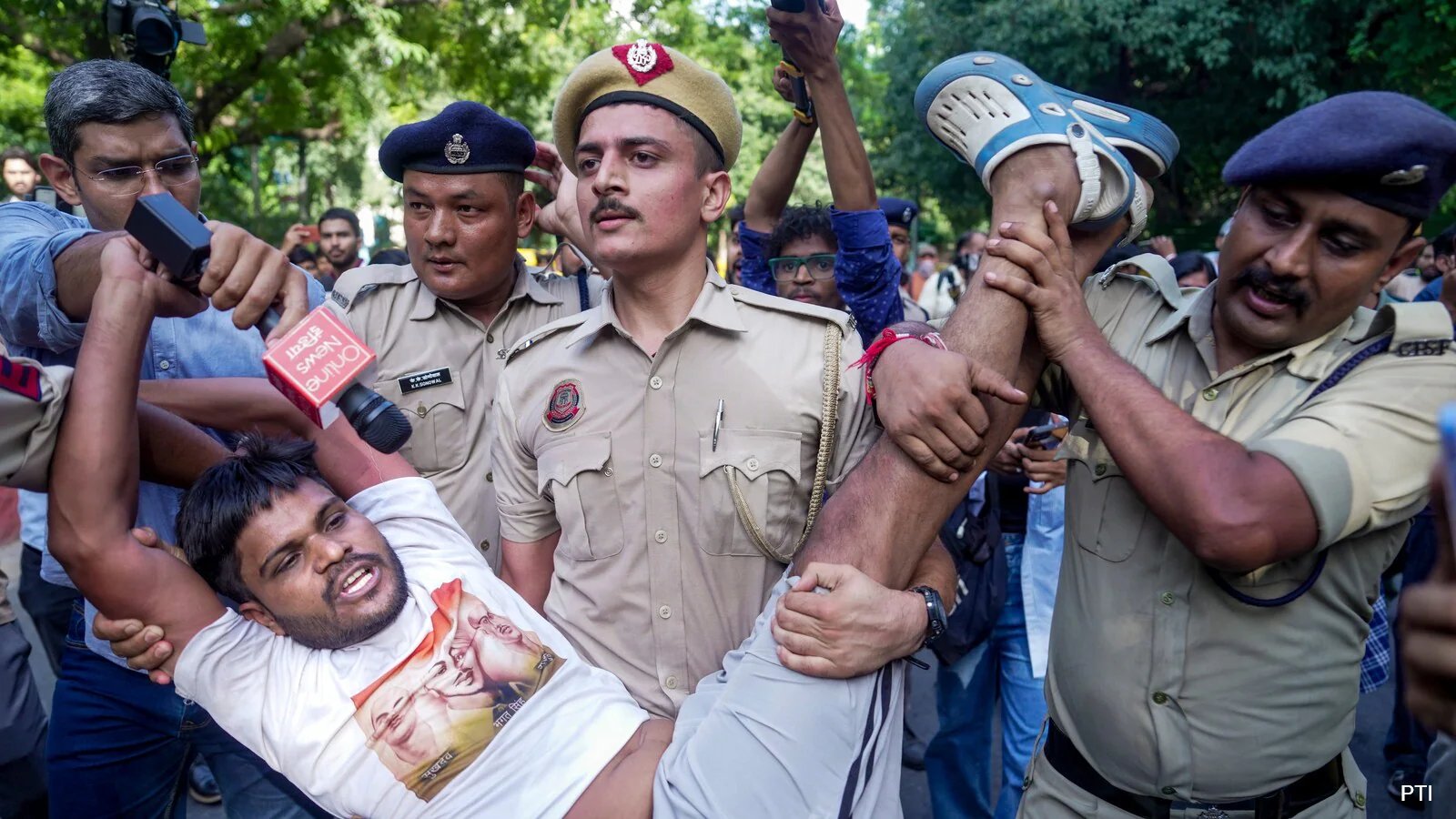
At 3 a.m. on Oct 2, a swarm of Delhi Police officers without visible name plates moved through Jantar Mantar to break up a protest demanding the resignation of Chief Election Commissioner Gyanesh Kumar. Cameras captured officers in grey shirts, black helmets, and no badges—a departure from the mandatory bilingual plastic name plate required by Delhi Police Standing Order No. 51.
Deputy Commissioner of Police, Sachin Sharma, denied that police had received any instruction to remove the plates. He said, 'There are no instructions from the police side to avoid wearing name tags. Some name tags may have broken during crowd‑control duties,' and added that all personnel are required to wear their name tags.
The move follows the July 'Chalo Sansad' march, when police officers were identified through their name tags and faced intense online trolling after violence erupted. Delhi Police officials reportedly fear a repeat of that backlash, prompting concerns that a lack of identification could compromise accountability.
CPI Rajya Sabha leader P Sandosh Kumar has written to Union Home Minister Amit Shah demanding that Delhi Police enforce identification norms after allegations of arbitrary detentions and removal of name badges. The letter cites the Supreme Court's D.K. Basu v. State of West Bengal ruling, which requires police handling arrests to display clear identification. The protest has also highlighted that 13.3 crore voters have been removed from the electoral roll under the SIR process, a figure that has sparked demands for Gyanesh Kumar's resignation. The letter arrives as Delhi Police faces scrutiny over its crowd‑control tactics, and lawmakers are expected to debate the enforcement of Standing Order No. 51 in the coming weeks.