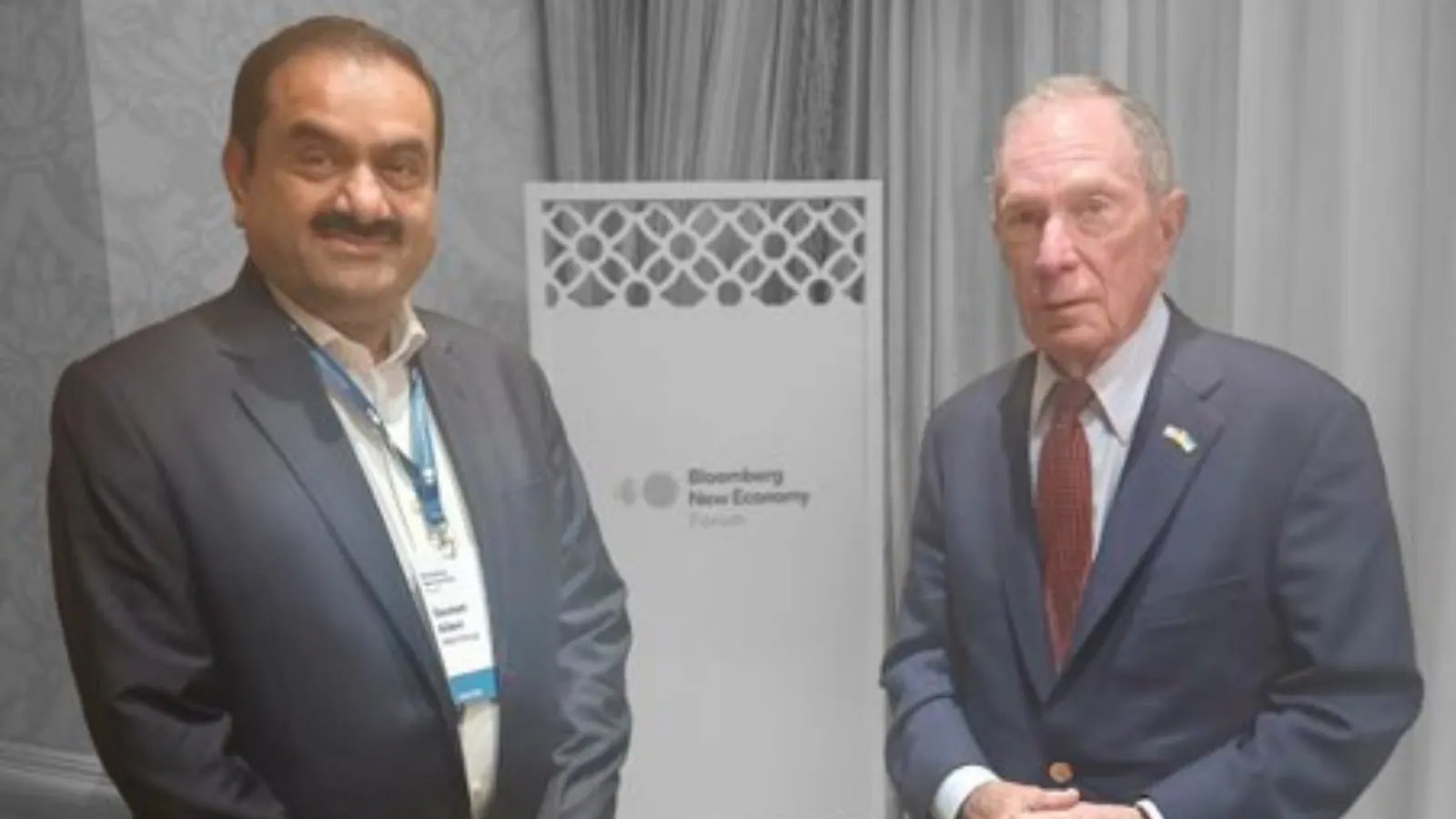
Gautam Adani, chair of the Adani Group, struck a pragmatic tone on Wednesday, rejecting the idea that India’s energy transition should come at the expense of household budgets or industrial output. In a LinkedIn post published after his meeting with Michael Bloomberg in New Delhi, Adani argued that decarbonization cannot function as a rigid ideological decree that prices out ordinary citizens or stalls growth in the Global South. The message was direct: if clean energy is more expensive or unreliable than fossil fuels, the transition fails.
The core of Adani’s argument centers on the concept of the "green premium." He insisted that policy and capital must work together to drive down the cost of adopting green energy until it becomes the unequivocally cheaper and superior choice. This isn't just about swapping coal for solar panels; it’s about making the economics work for a country that needs power to run factories and heat homes. Adani noted that continued dependence on existing volatile energy systems is dangerous, but so is forcing a transition that breaks the wallet.
His vision extends beyond mere power generation. Adani emphasized that true nation-building requires four forces: patient capital, physical execution, transparent governance, and capable local leadership. He cited specific infrastructure needs—ports, transmission corridors, green hydrogen plants, and computing facilities—alongside the often-overlooked necessity of reliable data and accountable institutions. For Adani, the measure of success isn't the asset created, but what people can achieve because of it.
The meeting with Bloomberg, who attended the Bloomberg New Economy Forum in Delhi on Tuesday, provided the backdrop for these remarks. Discussions covered urban development, artificial intelligence, and advanced manufacturing. Adani specifically highlighted the Dharavi redevelopment project in Mumbai, arguing its value should be judged by improvements in residents' livelihoods rather than the square footage of real estate developed. He suggested that if community trust and local economic activity are protected, such projects could become benchmarks for urban renewal. The next phase of this strategy hinges on whether policy frameworks can align with these economic realities, a debate that will dominate India's energy discussions in the coming months.