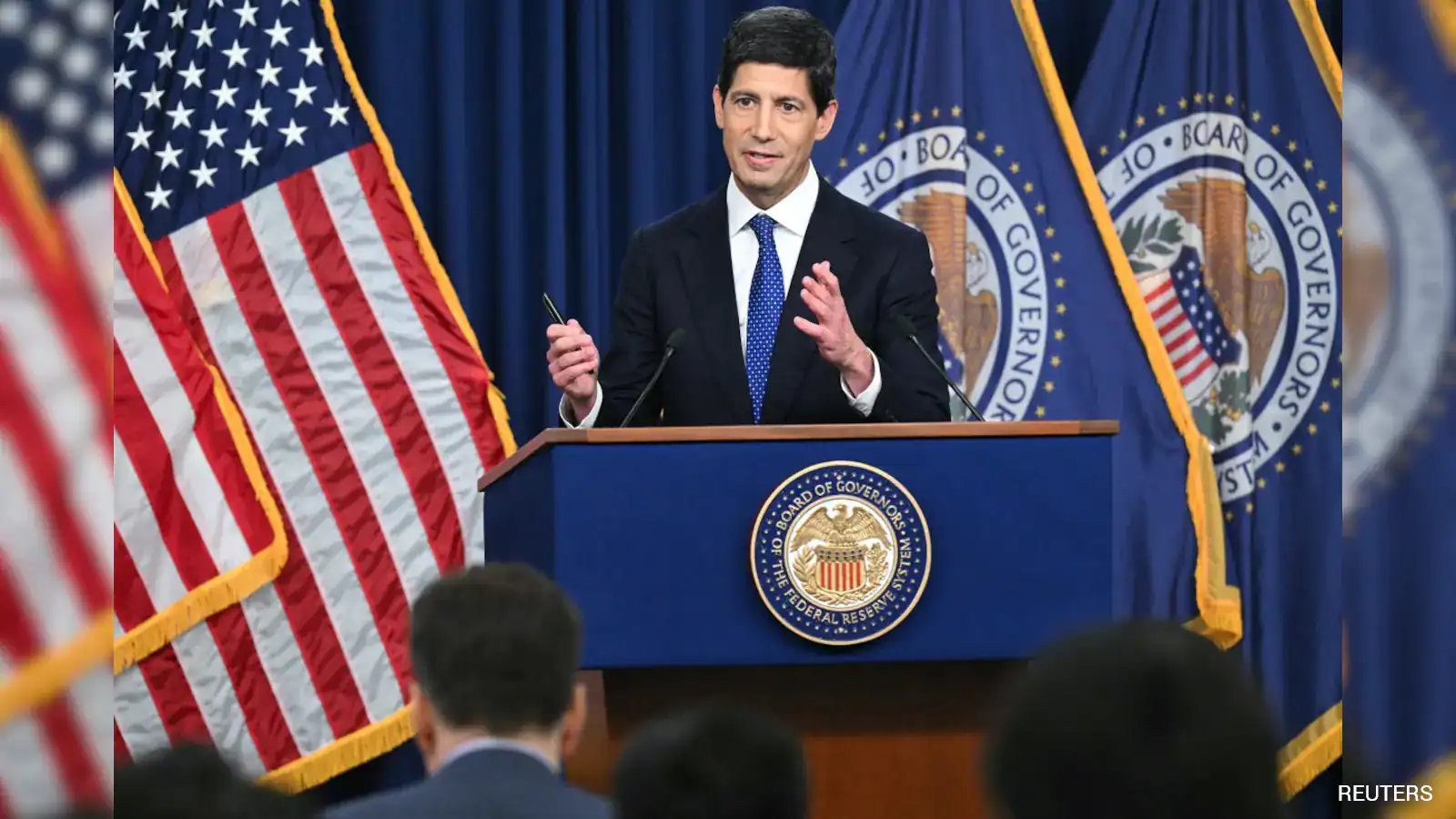
The Federal Open Market Committee voted unanimously to lift the benchmark rate by 25 basis points, pushing the target range to 3.75-4.00 percent. Chair Kevin Warsh declared the move necessary because inflation has remained "too high" for "too long," marking a sharp break from the Fed's steady stance since January. This is the first rate increase since 2023, forcing borrowers to face higher costs on mortgages and credit cards immediately.
President Donald Trump fired back within hours, labeling the Fed's committee "hostile" and accusing them of acting for political reasons. He branded the action a "raise against Trump" and continued his unprecedented assault on the Fed's independence. This follows his attempts to fire a Fed Governor and launch a criminal probe against Warsh's predecessor. The political tension is palpable, with the Republican Party facing a stern test in the upcoming midterms where economic issues dominate voter sentiment.
The hike was not a one-off. According to the Summary of Economic Projections (SEP), 12 of the 18 participating policymakers expect at least one more rate hike before the end of the year. Four officials anticipate two additional increases. The Fed also raised its year-end PCE inflation forecast to 3.7 percent, well above the 2 percent target. Diane Swonk, chief economist at KPMG, noted that price pressures have "forced the Fed's hand," as the labor market remains resilient enough to absorb tighter policy.
Markets reacted with expected turbulence. US stocks dipped, and yields on 10-year Treasury bonds surged past the five-percent threshold, signaling lingering uncertainty about long-term inflation. The rise in yields reflects the impact of Trump's tariff policies, the Iran war's energy price shocks, and the AI boom. For average Americans, this means the cost of borrowing will likely stay elevated, squeezing household budgets.
Warsh, who faced a contentious Senate confirmation where Democrats called him a "sock puppet" for Trump, deflected personal criticisms in his press conference. He emphasized the Fed's dual mandate of maximum employment and price stability. The next major test will be the September meeting, where the Fed will decide if the cycle of hikes continues. Investors are watching closely to see if the Fed can tame inflation without triggering a recession.