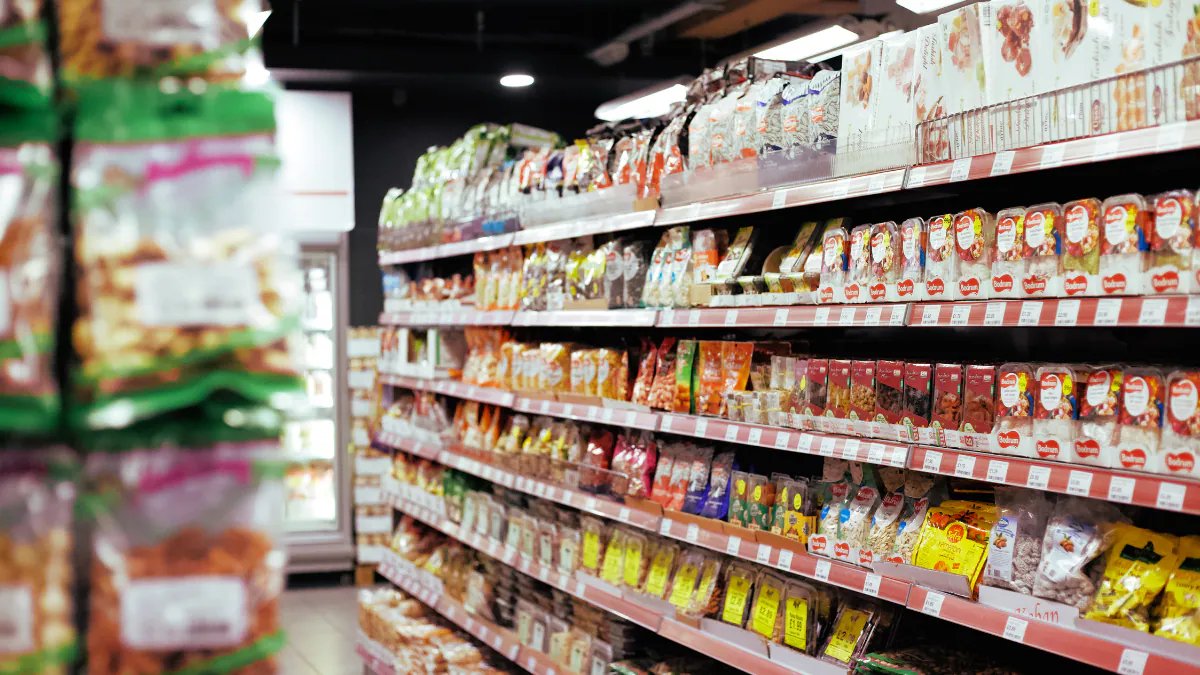
FSSAI’s draft bill, first floated in 2020, seeks to curb junk food consumption among children by restricting high‑fat, high‑sugar foods near schools. Chief executive Rajit Punhani said the move was intended to ‘nudge companies to reformulate recipes’ and to prevent the ‘early adoption of unhealthy habits’.—
The proposal has already rattled shopkeepers. In Bhubaneswar, a dozen merchants said sales could fall by a third or more. One 15‑year‑old, Priyanshu Palei, stuffed two packets of Lay’s chips into his backpack for recess, choosing them over his mother’s lentil stew.—
India’s child obesity crisis is the backdrop. The World Obesity Federation estimates that children aged 5‑19 will rise from 28 million in 2015 to 41 million in 2025, and could reach 56 million by 2040. The draft echoes measures already adopted in Chile and Mexico.—
Maharashtra has taken a stricter stance. State food safety commissioner Tukaram Mundhe told Reuters that no shop within 50 metres of a school can carry HFSS products; inspectors have found violations at 133 shops and ordered 51 to close.—
Major food multinationals are weighing in. PepsiCo, Nestle, Coca‑Cola and Mondelez said their global policies already limit the sale of high‑fat, high‑sugar products in primary and secondary schools, though they declined to comment on the draft.—
The draft is open for public comment until 6 October. A vote in Parliament is likely in the first half of the fiscal year, after which the rule would be enforced across India’s 1.5 million schools.