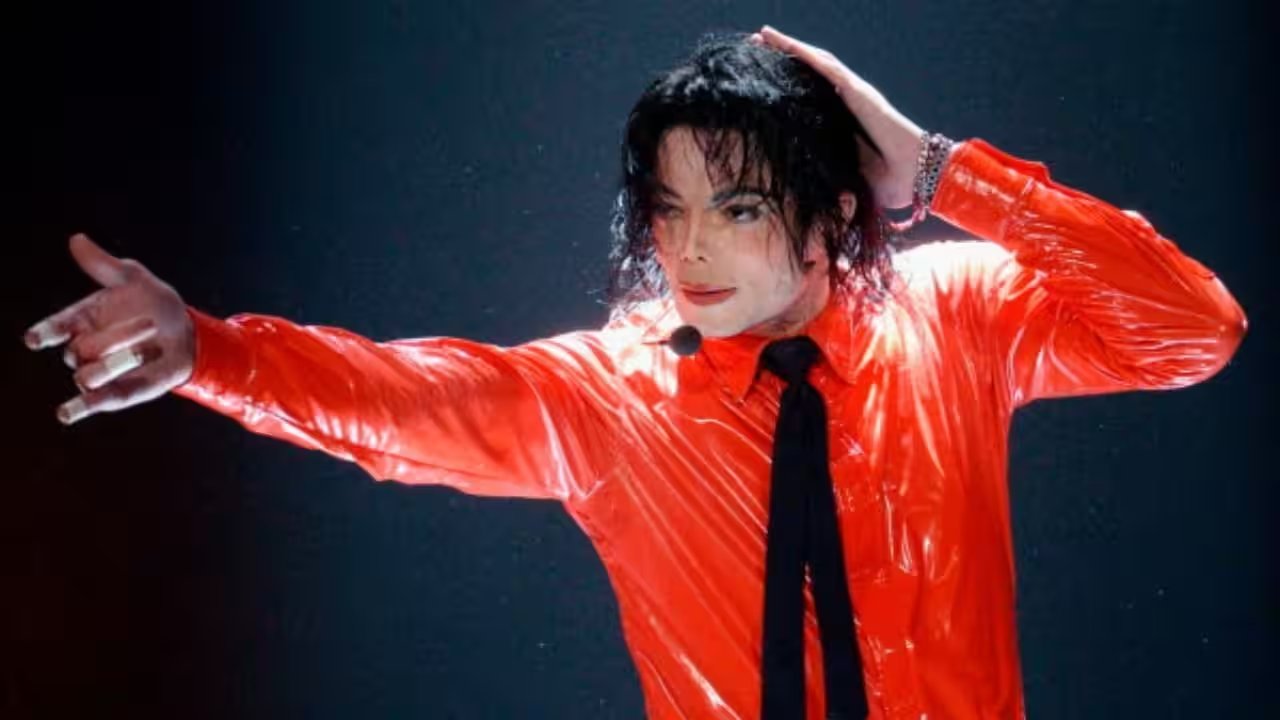
But on a blistering January afternoon in 1984, a pyrotechnic mishap turned a Pepsi ad into a fiery nightmare—sparks from a choreographed descent lit Jackson’s hair on fire in front of the Shrine Auditorium crowd. Second‑degree burns scorched his scalp, a small patch of third‑degree heat left him in agony, and he was rushed to Brotman Memorial Hospital in Culver City for emergency care.
The burn unit was more than a ward; it became a second home. Jackson returned weeks later for reconstructive surgery and spent hours chatting with other burn patients, many of them children. The experience humanised the cost of pyrotechnics and forged a bond between the pop star and the medical team.
When the settlement from Pepsi finally arrived, Jackson didn’t pocket the cash. Instead he wired a reported $1.5 million to the hospital—directed entirely toward burn care, research, and reconstructive surgery. The move was less about fame and more about turning a painful chapter into a lifeline for others.
In December 1984, the hospital honored his gift by renaming its burn unit the Michael Jackson Burn Center. The name echoed in corridors, a reminder that a single misstep on set could spark a lasting legacy. Even after the center later faced financial strain, the donation’s earmarked research funds continued to support burn patients.
All told, the incident that nearly ended a career became a beacon of hope for burn victims worldwide—proof that even the darkest moments can ignite something profoundly human.