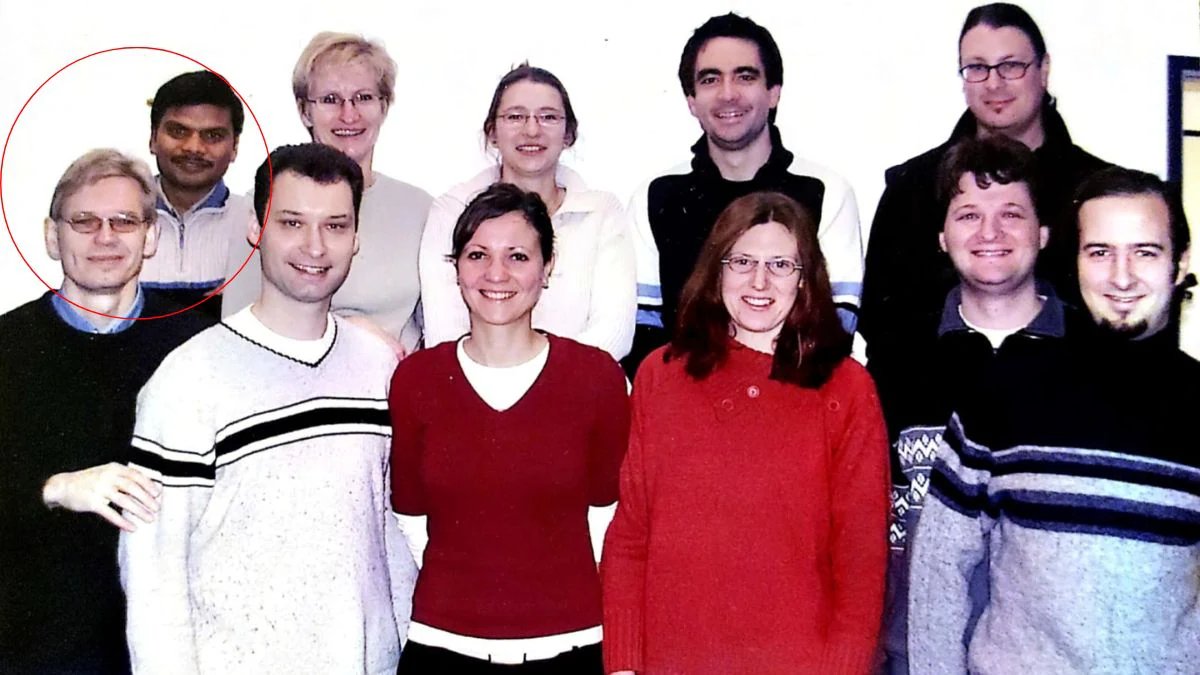
Suneel Kateriya, a former PhD student of Nobel laureate Peter Hegemann, uncovered two previously unknown genes in the microalga Chlamydomonas that encode light‑sensitive ion channels. The finding, published in 2002 and 2003, laid the foundation for the technology that earned Karl Deisseroth, Peter Hegemann and Georg Nagel the 2026 Nobel Prize in Physiology or Medicine.\n
\nOptogenetics uses these light‑gated proteins to switch individual neurons on or off with surgical precision. The Nobel committee praised the work for opening a new window into neural circuitry, enabling researchers to probe memory, emotion and movement in ways that were impossible before.\n
\nKateriya’s papers, co‑authored with Hegemann and others, documented the first demonstration that blue light could open channelrhodopsins and trigger electrical currents in living cells. The discovery was later adapted by Stanford neuroscientist Karl Deisseroth, who applied the proteins to mammalian neurons and proved the concept in vivo.\n
\nWhen the Nobel announcement was made, Kateriya said the news felt like a personal triumph and an affirmation of India’s scientific potential. He now mentors a new cohort of JNU students who are building on his work, and the laboratory is preparing the first human‑trial protocols slated for next year.