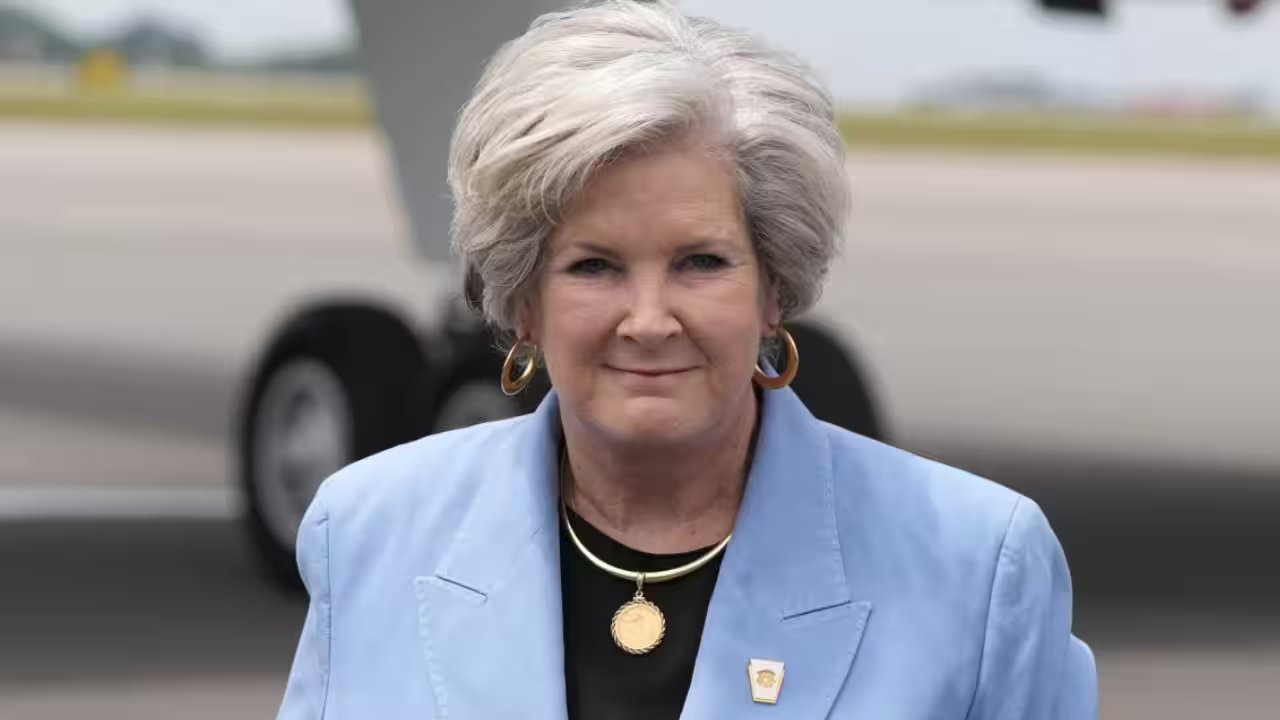
Susie Wiles walked out of the West Wing on Friday, ending her tenure as White House Chief of Staff just 72 hours after the GOP’s humiliating midterm defeat. It was a sharp reversal for Trump, who publicly dismissed rumors of her departure weeks earlier, calling her his most loyal operative. Now, with Democrats holding the keys to the House and Senate, the president traded a steady hand for a political sabre-rattler. Stephen Miller, previously the deputy chief of staff, now holds the gavel over the room.
Wiles framed her exit as a personal choice, citing pride in the administration’s border security and tax cuts. But the timing is not accidental. Politico reported that Trump spent weeks quietly vetting replacements before the votes were even counted. The friction had been simmering since October, when a Washington Post report detailed internal power struggles involving Miller, Bill Pulte, and EPA head Lee Zeldin. Wiles found herself sidelined on key staffing decisions, including the disastrous five-day tenure of spokesperson Katie Zacharia.
The cracks widened further with the controversy surrounding Wiles’ daughter, Katie Wiles, and campaign advisers James Blair and Chris LaCivita. Their lobbying work for the pro-Russian government in Republika Srpska, Bosnia, triggered a public distancing by Trump. A photo of Katie Wiles visiting the territory sealed the rift. Miller, who has long advocated for zero-tolerance immigration policies, leveraged this environment to position himself as the indispensable consigliere. His elevation is not merely a personnel change; it is a strategic realignment toward a more ideologically rigid White House.
The immediate consequence is a tighter, more unpredictable decision-making process. Miller’s faction now controls access to the president. For the incoming Democratic leadership in Congress, this means negotiating with an administration that will likely prioritize executive actions over legislative compromise. The first test comes next week, as the new chief of staff takes over the daily operations of the executive branch.