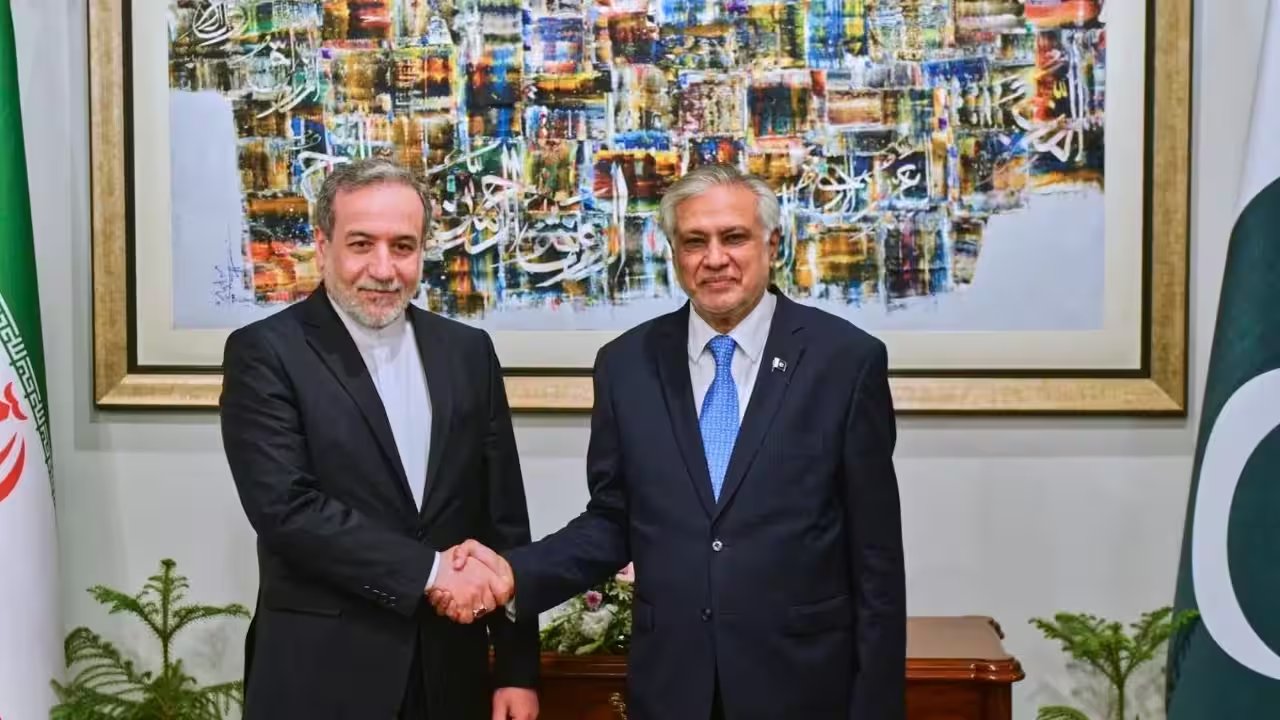
Pakistan’s Foreign Minister Ishaq Dar dialed Iran’s Abbas Araghchi on Saturday, September 15, 2026, demanding that Tehran keep energy supplies flowing uninterrupted through the Strait of Hormuz. The call was made as the region edges nearer a tipping point, with the Iranian‑led blockade of the strait since March stalling countless oil shipments.
The blockade followed a series of US‑Israeli airstrikes on Tehran that escalated tensions into a full‑blown US‑Iran conflict starting February 28. Tehran’s retaliatory moves have effectively shut the gateway that links the Persian Gulf to the Gulf of Oman, a choke point that transits a quarter of the world’s oil.
Not far from the Gulf, Yemen’s Houthi rebels—backed by Tehran—have held the Bab al‑Mandeb chokepoint in a de facto blockade since July. Their seizure of key shoreline territories, including Mayun Island, has targeted Saudi‑linked shipping lanes, adding a second layer of maritime risk.
In the call, Dar—who also serves as Pakistan’s deputy prime minister—emphasized that “dialogue and diplomacy remain the only viable means to ensure peace and stability in the region.” The two ministers agreed to keep close cooperation and will meet in New York next week on the sidelines of the 81st session of the UN General Assembly to hash out shipping security and regional stability.
The Foreign Office’s statement on X read that maintaining uninterrupted energy supplies is critical for developing countries and global supply chains. By setting a meeting in New York, the two sides aim to forge a diplomatic path that keeps the lifelines of the world’s economies open.
As the UN General Assembly session looms, analysts say the outcome could set a precedent for how Gulf chokepoints are managed amid escalating regional hostilities.