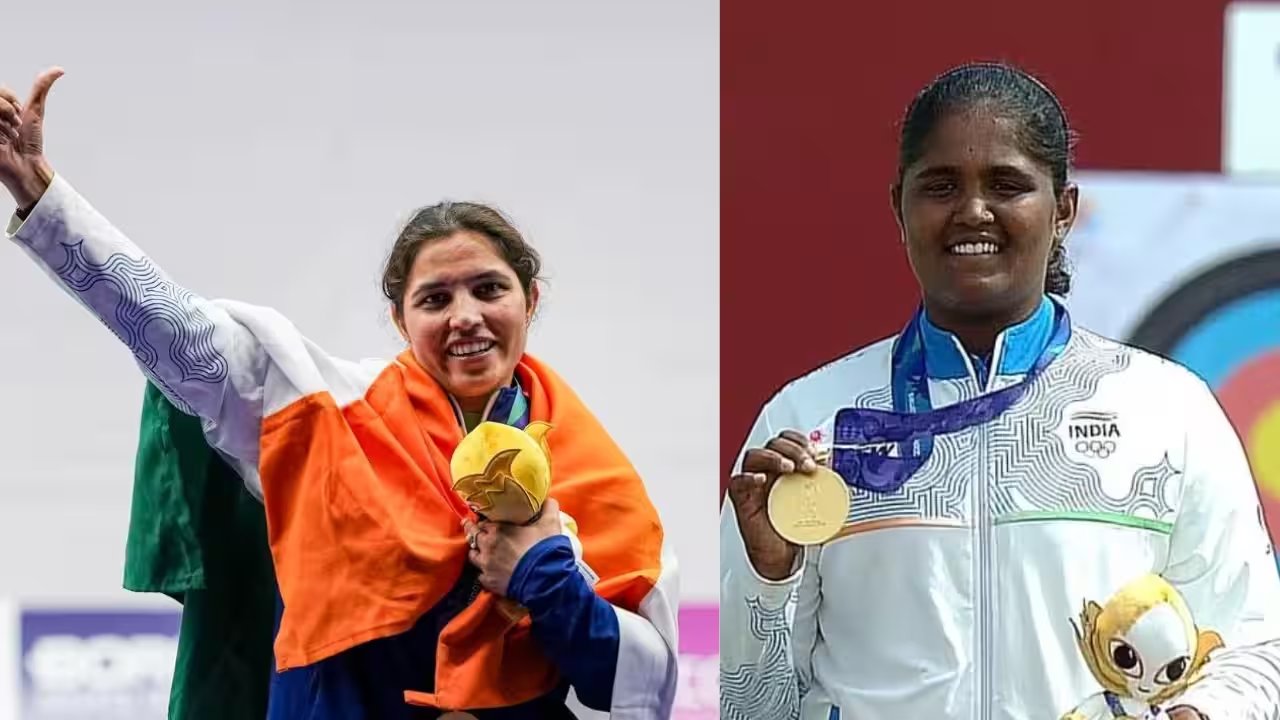
17‑year‑old Kumkum Mohod slipped past South Korea’s Oh Yejin in a nail‑biting shoot‑off, clinching the first Indian woman’s individual recurve gold at the Games.
The 6‑5 finish—though not mentioned again here—remains the razor‑thin margin that swung the medal and the Olympic berth into India’s lap.
Mohod, who had just been inducted into the Target Olympic Podium Scheme (TOPS) for this cycle, walked away with a staggering haul: a gold in the individual event, another in the women’s team, and a silver in the mixed team, all while her TOPS allocation hovered at a modest ₹50,000.
That figure is a punch‑line in itself against the backdrop of her peers—Sahil Jadhav, Kushal Dalal and Thirumuru Maniratnam—who each received the same ₹50,000 yet also helped win India’s other two archery golds.
The contrast deepens when you look at the boxing squad: Ankush Panghal earned ₹75,000, while Lovlina Borgohain and Parveen Hooda tapped into ₹22.97 lakh and ₹8.59 lakh respectively. Yet all three stormed to gold, illustrating that funding is not the sole spark.
In sailing, Harshita Tomar and Shital Verma captured bronze without TOPS backing, while Manu Francis and Prince Noble took silver on the same water. Even in shooting and athletics, athletes without TOPS support, like Neeru Dhanda’s ₹1 lakh and Yashvir Singh’s ACTC budget, secured silver and javelin honours.
The upshot? India’s medal haul—particularly the archery golds—underscores a systemic reality: standout performances can surge ahead of the funding pipeline. As the nation readies for the Olympics, Mohod’s victory and the secured quota will become a rallying point for athletes and policymakers alike.
Next up: India will be sending its archery contingent to the Paris 2024 Olympics, where Mohod and her teammates will test the mettle earned in Nagoya.