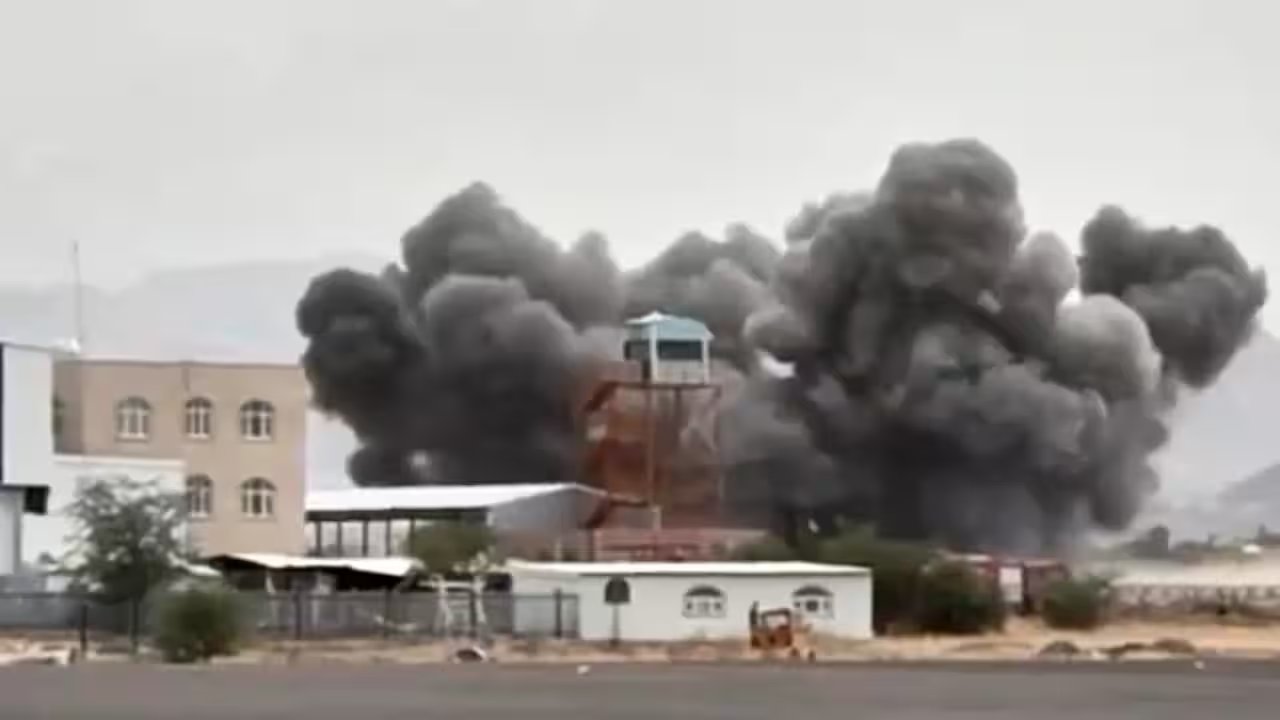
Riyadh heard the boom at 10:14 a.m. local time. Residents saw plumes of smoke rising near the airport as the Saudi-led coalition announced it had downed a ballistic missile fired by Yemen’s Houthis. No casualties were reported, but the strike marks a distinct shift in the conflict’s geography, bringing the war directly to the Saudi capital for the first time since tensions flared.
The Houthis didn’t mince words. Brig. Gen. Yahya Saree, the group’s military spokesperson, claimed they hit "sensitive sites" in Riyadh and facilities belonging to Aramco in Yanbu, alleging "massive fires." He accused the Saudi coalition of using cruise and ballistic missiles alongside drones, while simultaneously claiming they attempted to strike Sanaa, the rebel-held capital in Yemen.
The pressure isn’t limited to the capital. The coalition reported thwarting Houthi attacks on the Red Sea port of Yanbu, Taif, Baysh, and Farasan. It’s a relentless barrage that has the Saudi military stretched thin. On Wednesday, they shot down a drone targeting Mecca. On Thursday, debris from an intercepted drone killed a Yemeni resident in Saudi Arabia.
The real story, however, is what’s happening behind the scenes. Regional officials told AP that Saudi Arabia is critically low on missile interceptors. They have reached out to France, Britain, Pakistan, and Egypt for air-defense support. It’s a desperate move that signals the current defensive posture is unsustainable.
Inside Yemen, the Houthis have seized the port city of Mokha and islands near the Bab el-Mandeb Strait. The next 48 hours will determine if foreign air-defense systems arrive in time to plug the holes in Riyadh’s shield, or if the Houthis will probe for another opening.